Product Description
Pharmaceutical
Raw Materials and Intermediates
AI Product Description
*The following content is generated by AI and is for reference only.
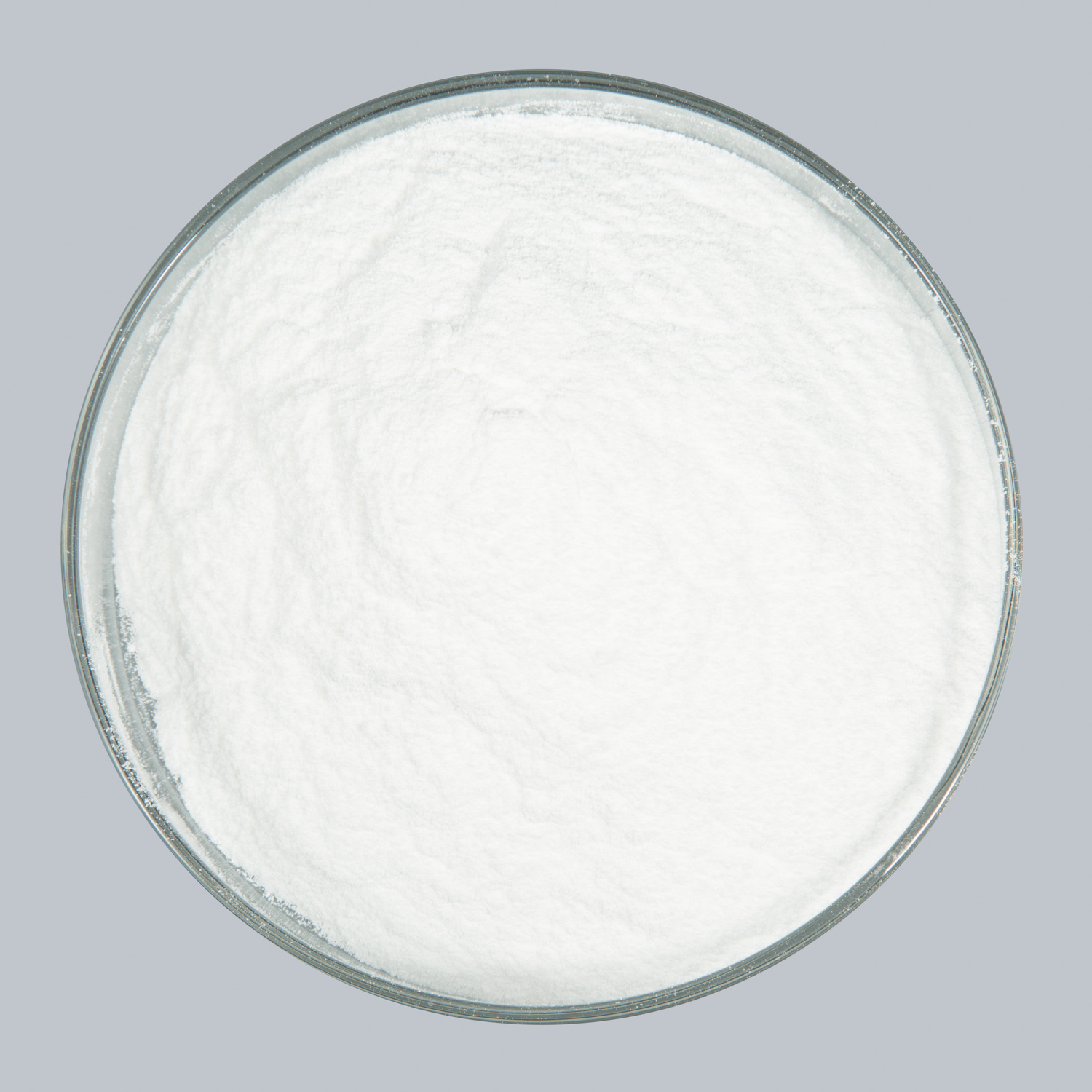
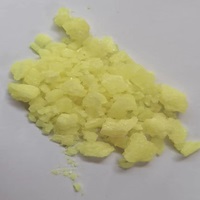
Bis(triphenylphosphine)palladium(II) dichloride, commonly abbreviated as Pd(PPh₃)₂Cl₂, is a widely utilized organometallic complex serving as a pivotal catalyst in modern synthetic organic chemistry. With the molecular formula C₃₆H₃₀Cl₂P₂Pd and the CAS registry number 14026-57-8, this compound features a square planar geometry where a central palladium(II) ion is coordinated by two triphenylphosphine ligands and two chloride ions. The molecule appears as a yellow to orange crystalline powder, which is generally stable under ambient conditions but sensitive to light and strong oxidizing agents.
The primary application of this reagent lies in its exceptional efficiency for cross-coupling reactions, most notably the Suzuki-Miyaura, Heck, and Sonogashira couplings. These transformations are indispensable for constructing carbon-carbon bonds between aryl or vinyl halides and various nucleophiles such as boronic acids, alkenes, or terminal alkynes. Compared to other palladium catalysts like tetrakis, Pd(PPh₃)₂Cl₂ often offers superior thermal stability and easier handling without requiring strictly inert atmospheres during certain reaction setups, making it a preferred choice for large-scale industrial synthesis and academic research alike. Its solubility in common organic solvents like dichloromethane, chloroform, and THF further facilitates diverse reaction protocols.
Beyond cross-coupling, this complex finds utility in carbonylation reactions and the synthesis of heterocyclic compounds. It acts as a robust source of Pd(0) species upon reduction, initiating catalytic cycles that drive complex molecular architectures essential for pharmaceuticals, agrochemicals, and advanced materials. While less active than some specialized precatalysts for sterically hindered substrates, its cost-effectiveness and reliability ensure its enduring status as a staple reagent in laboratories worldwide. Researchers frequently employ it to streamline the synthesis of biologically active molecules, highlighting its critical role in accelerating drug discovery processes and material science innovations through efficient bond formation strategies.






 (All Rights Reserved)





![6,8-Dioxo-5,7-diazaspiro[3.4]octane-2-carboxylic acid](https://eimg.pharmasources.com/image/product/20250403/02effeb5a7639bc84ff1f3add3c0c64fjpg)


![8,16-Diazadispiro[6.1.6.2]heptadecan-17-one](https://eimg.pharmasources.com/image/product/20250403/ca91cba8b87e53fc879f8d8764873a40jpg)
![8-Oxa-1,3-diazaspiro[4.5]decane-2,4-dione](https://eimg.pharmasources.com/image/product/20250403/60fa7223d5a34f24138486ceea0ffb15jpg)
