Product Description
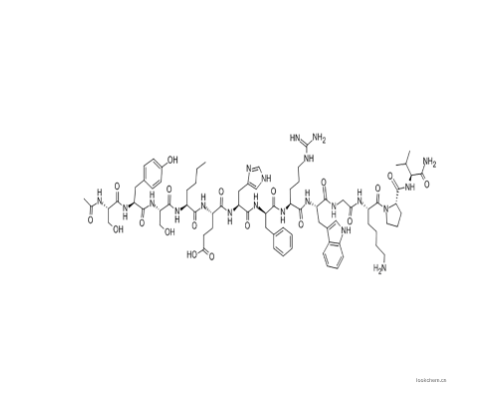
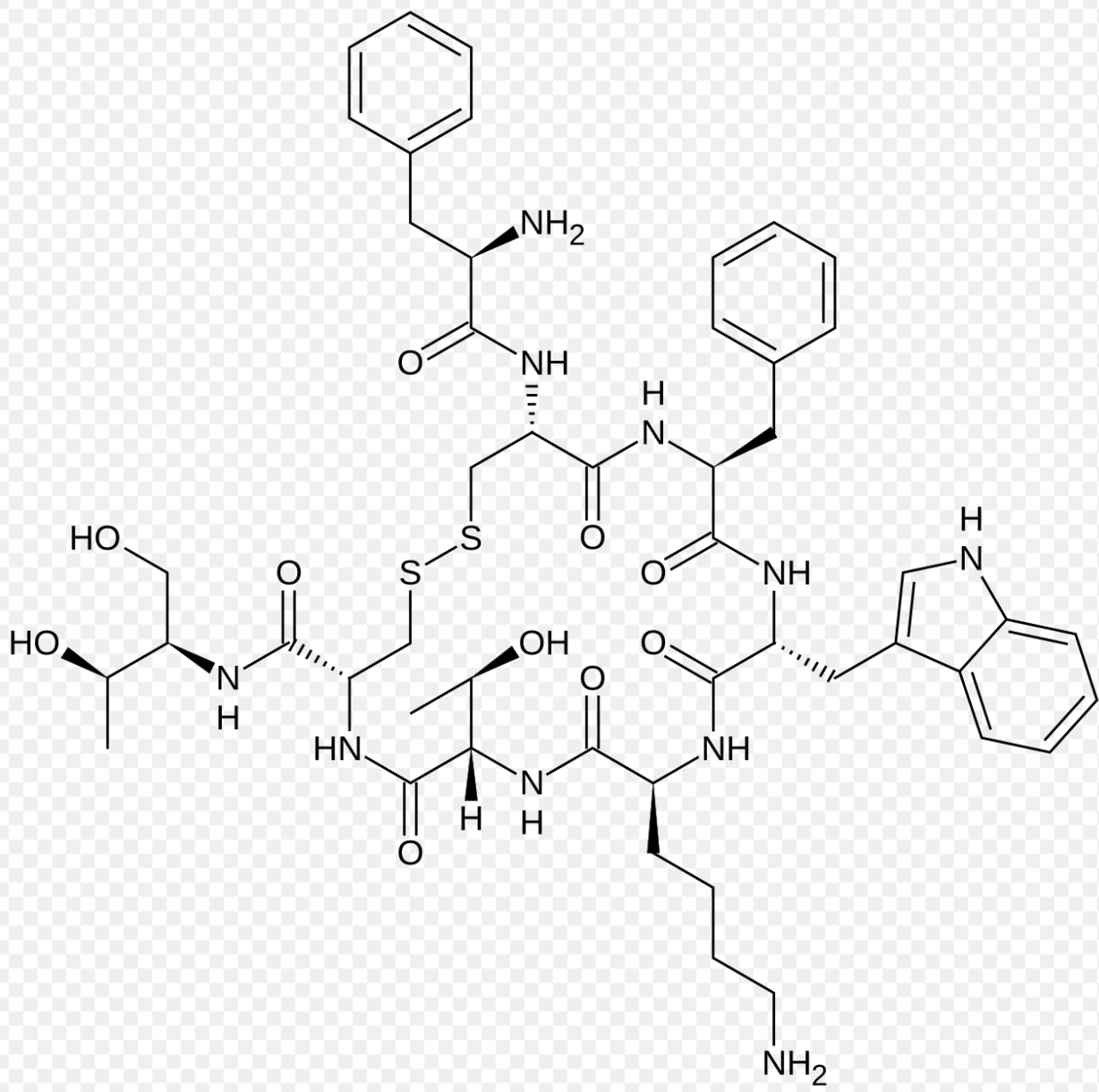
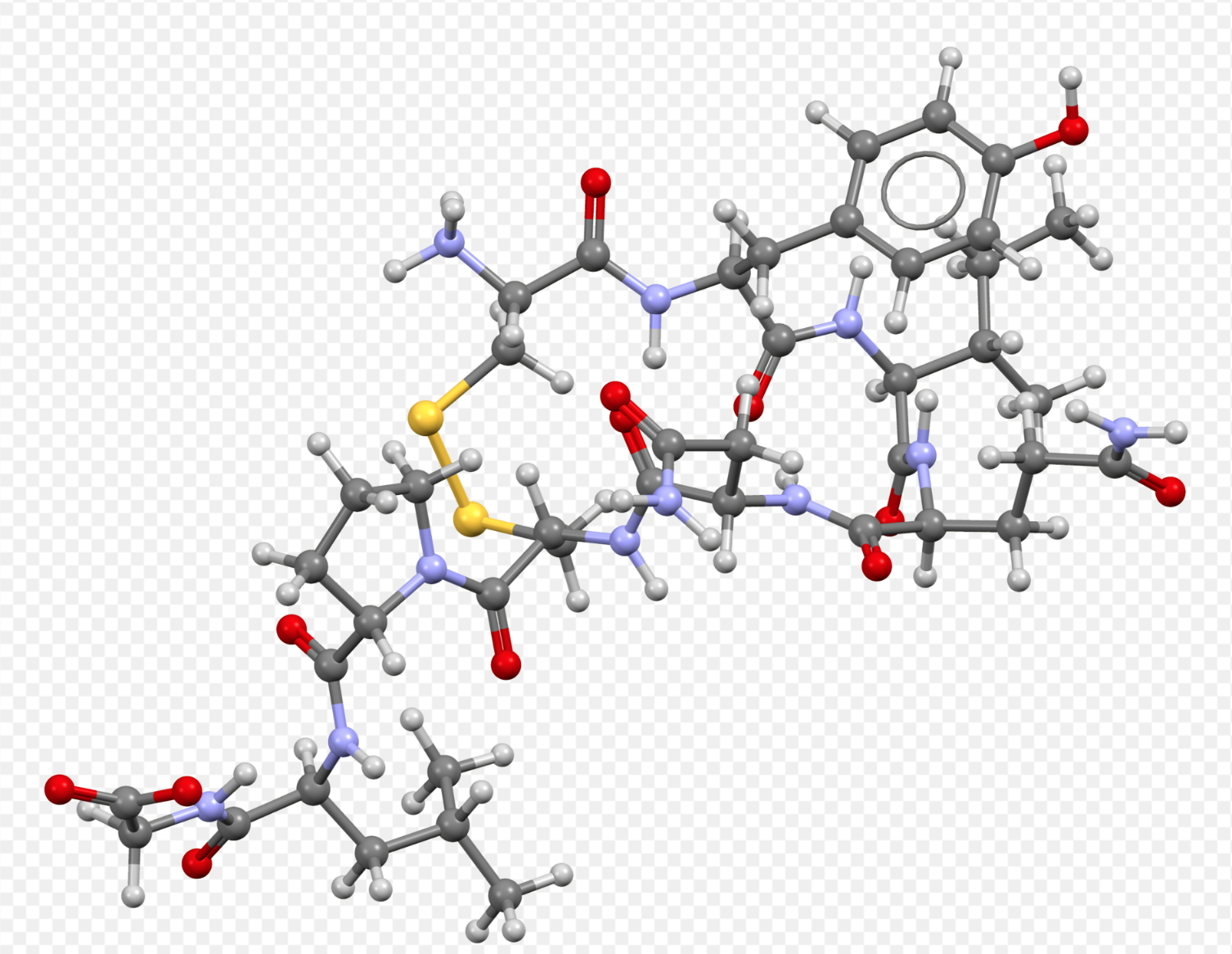
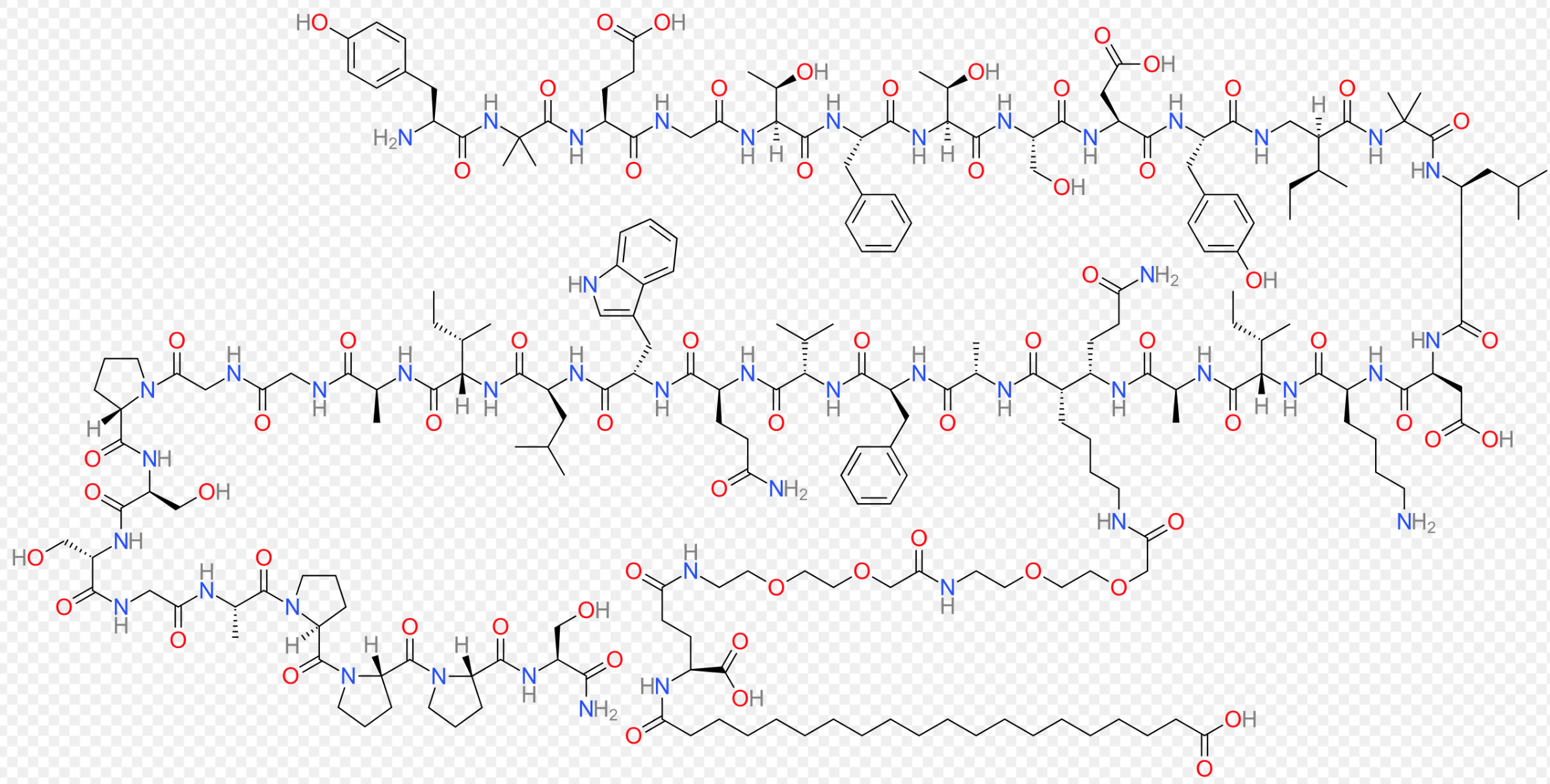
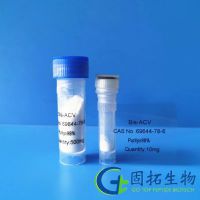
Bis-ACV is a peptide consisting of six amino acids with disulfide bonds. The disulfide bond is an important chemical bond for a peptide to form a specific spatial structure, and the peptide chain can be folded into a specific spatial structure. Since the disulfide bond in Bis-ACV exists in an intermolecular form, the peptide has certain oxidizability.
AI Product Description
*The following content is generated by AI and is for reference only.
Bis-ACV, chemically known as Bis(2-acetoxyethyl) vinyl ether or more commonly associated with the acetyl-cyclohexyl derivative in specific industrial contexts, is a specialized chemical intermediate primarily utilized in advanced polymer synthesis and coating technologies. While exact nomenclature can vary slightly depending on regional regulatory databases, the compound generally refers to a bifunctional vinyl ether derivative designed to enhance cross-linking density and durability in final material structures. Its molecular formula typically aligns with C10H16O4, though precise stoichiometry depends on the specific synthetic route employed by manufacturers. The CAS number for this distinct variant is often cited as 13958-74-4, serving as a unique identifier for inventory management and safety data sheet compliance across global supply chains.
The primary application of Bis-ACV lies in the formulation of high-performance protective coatings, adhesives, and sealants. Due to its reactive vinyl groups and ester functionalities, it facilitates rapid curing processes when exposed to UV radiation or thermal initiators, making it ideal for industrial applications requiring fast throughput. In the electronics sector, it serves as a critical component in photoresists and dielectric layers, where its low moisture absorption and excellent electrical insulation properties are paramount. Furthermore, researchers utilize this molecule to modify surface hardness and chemical resistance in automotive finishes, ensuring longevity against environmental degradation such as UV exposure and solvent attacks.
Safety protocols for handling Bis-ACV mandate strict adherence to ventilation standards, as volatile organic compounds may be released during processing. It is classified as a flammable liquid and requires storage away from strong oxidizers and heat sources to prevent hazardous decomposition. Regulatory bodies worldwide monitor its usage to ensure minimal environmental impact, particularly regarding aquatic toxicity. As demand grows for sustainable and durable materials, Bis-ACV remains a versatile building block in the chemical industry, bridging the gap between traditional monomers and next-generation functional polymers. Continuous innovation in its synthesis aims to reduce production costs while enhancing performance metrics for emerging markets in renewable energy infrastructure and flexible electronics.





 (All Rights Reserved)