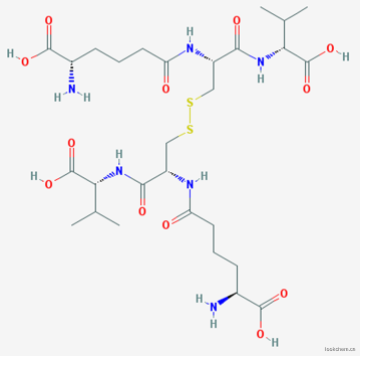
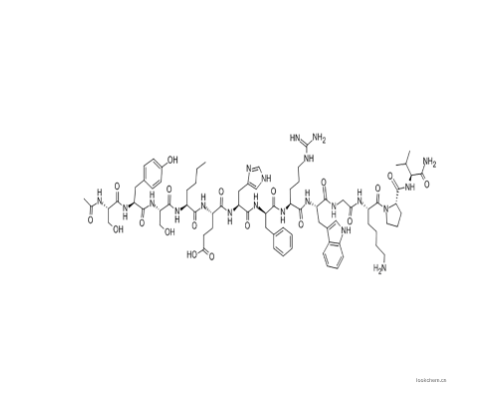
The Bis - ACV is composed of six amino acids listed peptides with disulfide bond.
Disulfide bond is one of the important chemical bonds, peptides form a specific space structure peptides can be folded into a particular spatial structure.
Due to the Bis - ACV disulfide bond in the listed in the form of intermolecular, therefore polypeptide has certain oxidizing.
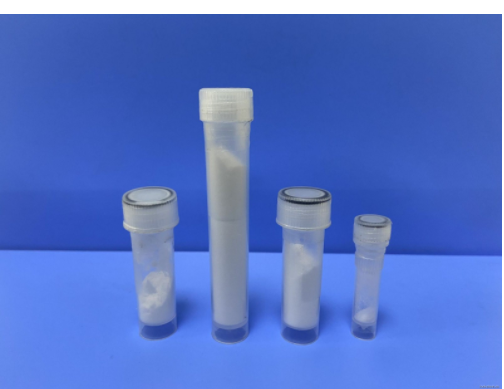
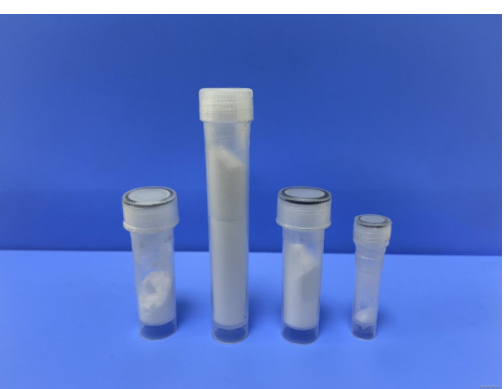
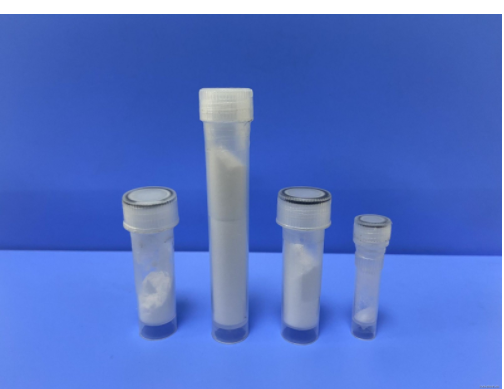
Storage: - 20 ℃ under freeze dry, avoid light preservation remark: used only for research, not for human body
*The following content is generated by AI and is for reference only.
Bis-δ-(L-α-aminoadipyl)-L-cystinyl-bis-D-valine, commonly known as Bacitracin Z or a specific variant of the bacitracin family, is a complex polypeptide antibiotic produced by *Bacillus licheniformis*. While often associated with the broader bacitracin mixture, this specific chemical structure represents a defined cyclic peptide containing L-α-aminoadipic acid, L-cysteine, and D-valine residues. Its molecular formula is typically represented as C₃₇H₅₆N₁₂O₁₄S₂, with an approximate molecular weight of 864 g/mol, though exact stoichiometry can vary slightly depending on the specific batch and hydration state. The CAS number for the primary active component in this class is often linked to 1405-87-4 (Bacitracin Zinc), but the pure synthetic or isolated form may carry distinct identifiers requiring precise database verification for regulatory compliance.
This compound functions primarily as a potent bacteriostatic agent, specifically targeting Gram-positive bacteria such as *Staphylococcus aureus* and *Streptococcus* species. Its mechanism of action involves inhibiting cell wall synthesis by binding to undecaprenyl pyrophosphate, thereby preventing the transport of peptidoglycan precursors across the cytoplasmic membrane. This disruption halts bacterial growth and replication effectively. Due to its narrow spectrum of activity against Gram-negative organisms and potential toxicity when administered systemically, it is predominantly utilized in topical formulations. Common applications include ophthalmic ointments for treating eye infections, dermatological creams for skin conditions, and wound care products. Furthermore, it serves as a critical reagent in biochemical research for isolating plasma membranes and studying protein secretion pathways. In industrial settings, it is sometimes employed as a preservative in cosmetic preparations to prevent microbial contamination. Despite its efficacy, caution is advised regarding allergic reactions, particularly in individuals sensitive to neomycin or other antibiotics within the same therapeutic class. Continuous monitoring of resistance patterns remains essential as overuse can lead to reduced susceptibility in target pathogens. Overall, Bis-δ-(L-α-aminoadipyl)-L-cystinyl-bis-D-valine remains a valuable tool in both clinical medicine and scientific inquiry for managing localized bacterial infections.





 (All Rights Reserved)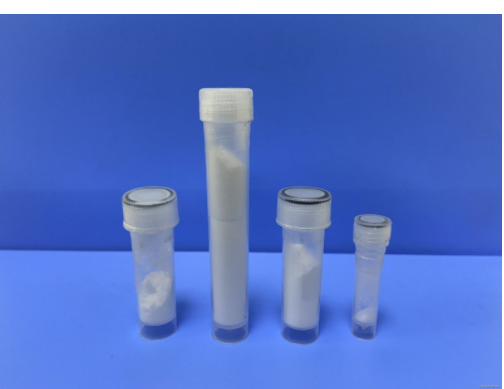

![6,8-Dioxo-5,7-diazaspiro[3.4]octane-2-carboxylic acid](https://eimg.pharmasources.com/image/product/20250403/02effeb5a7639bc84ff1f3add3c0c64fjpg)
![8,16-Diazadispiro[6.1.6.2]heptadecan-17-one](https://eimg.pharmasources.com/image/product/20250403/ca91cba8b87e53fc879f8d8764873a40jpg)
![8-Oxa-1,3-diazaspiro[4.5]decane-2,4-dione](https://eimg.pharmasources.com/image/product/20250403/60fa7223d5a34f24138486ceea0ffb15jpg)