Product Description
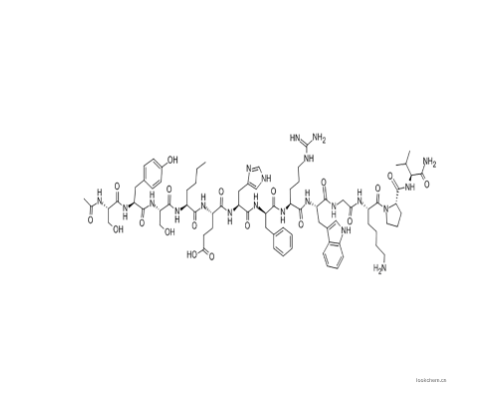
Biotin-TAT (47-57) is an HIV derivative cell-penetrating peptide containing D-biotin. The sequence is composed of 11 amino acids and is a positively charged biotin peptide. Biotin-TAT (47-57) belongs to the TAT series. It forms a colloidal coating on the nanoparticles saturated with oligonucleotides in the cell. When the nanoparticles of Biotin-TAT (47-57) are loaded with When the RNA molecules are dense, they can effectively penetrate various human embryonic stem cells.
AI Product Description
*The following content is generated by AI and is for reference only.
Biotin-TAT(47-57) is a specialized peptide conjugate designed for advanced biological research, combining the cell-penetrating properties of the TAT protein transduction domain with the high-affinity binding capabilities of biotin. The TAT sequence, derived from the HIV-1 Tat protein, specifically utilizes residues 47 through 57 to facilitate efficient cellular uptake across various membrane barriers without requiring specific receptors. By attaching a biotin moiety to this peptide, researchers gain a versatile tool for tracking intracellular delivery, isolating interacting proteins, or visualizing distribution within complex tissue samples using streptavidin-based detection systems.
The molecular formula for Biotin-TAT(47-57) typically reflects the combined structure of the biotin linker and the heptadecapeptide segment, though exact stoichiometry may vary slightly depending on the specific synthetic linker chemistry employed by different manufacturers. While a single universal CAS number does not exist due to variations in synthesis protocols and purity grades, these compounds are generally cataloged under proprietary identifiers or specific vendor codes. The primary utility of this reagent lies in its ability to serve as a positive control for transfection efficiency assays, enabling scientists to validate the delivery mechanisms of therapeutic agents or gene-editing complexes. Furthermore, it is extensively used in pull-down assays to identify endogenous proteins that interact with the TAT domain, providing insights into signal transduction pathways and intracellular trafficking mechanisms.
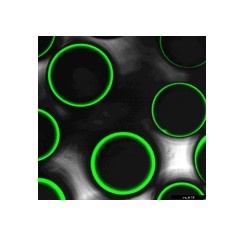
In drug discovery, Biotin-TAT(47-57) aids in optimizing nanoparticle formulations by serving as a benchmark for membrane permeability. Its fluorescently labeled variants allow for real-time imaging of cellular internalization via confocal microscopy. Additionally, the biotin tag permits the immobilization of the peptide onto solid supports for high-throughput screening applications. Due to the stability of the biotin-streptavidin interaction, this conjugate remains robust under diverse experimental conditions, making it indispensable for proteomics and cell biology studies. Researchers utilize this molecule to enhance the sensitivity of diagnostic assays and to develop novel targeted delivery systems for nucleic acids and small molecules, ultimately accelerating the translation of basic research into clinical therapeutics.





 (All Rights Reserved)