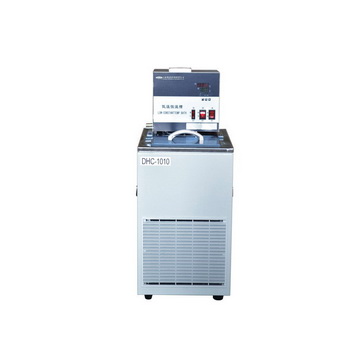
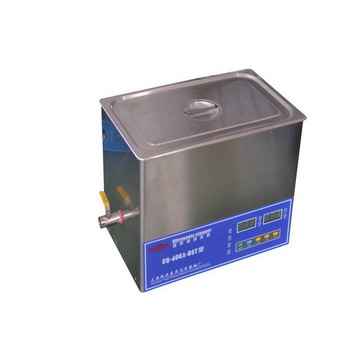
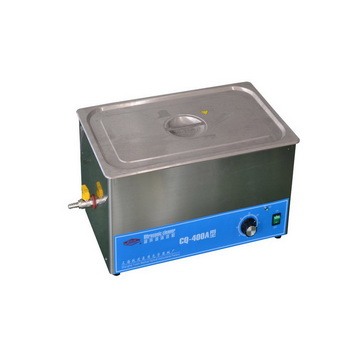
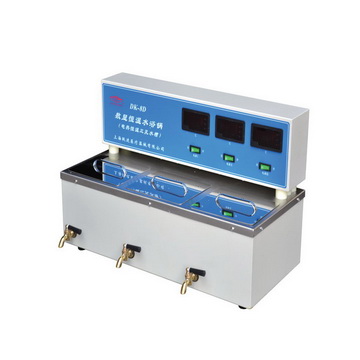
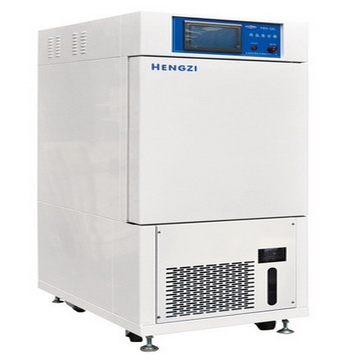
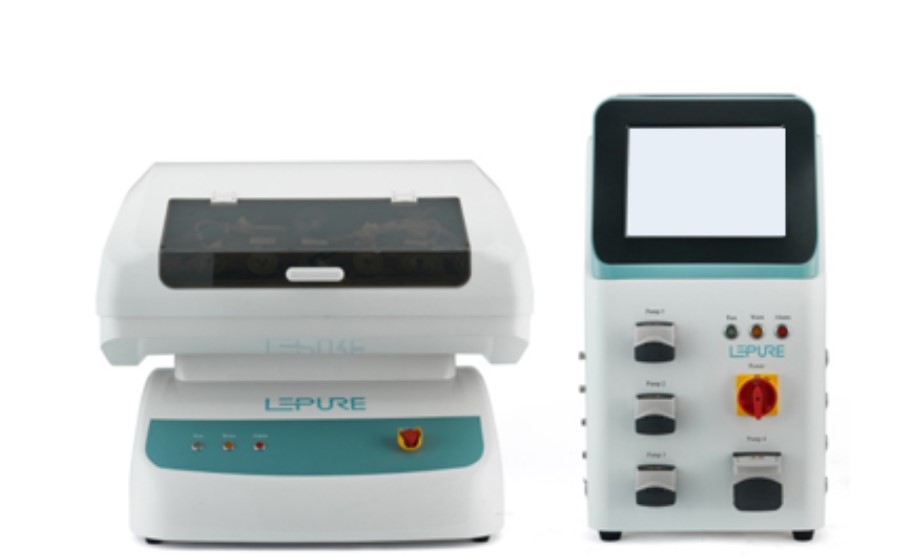
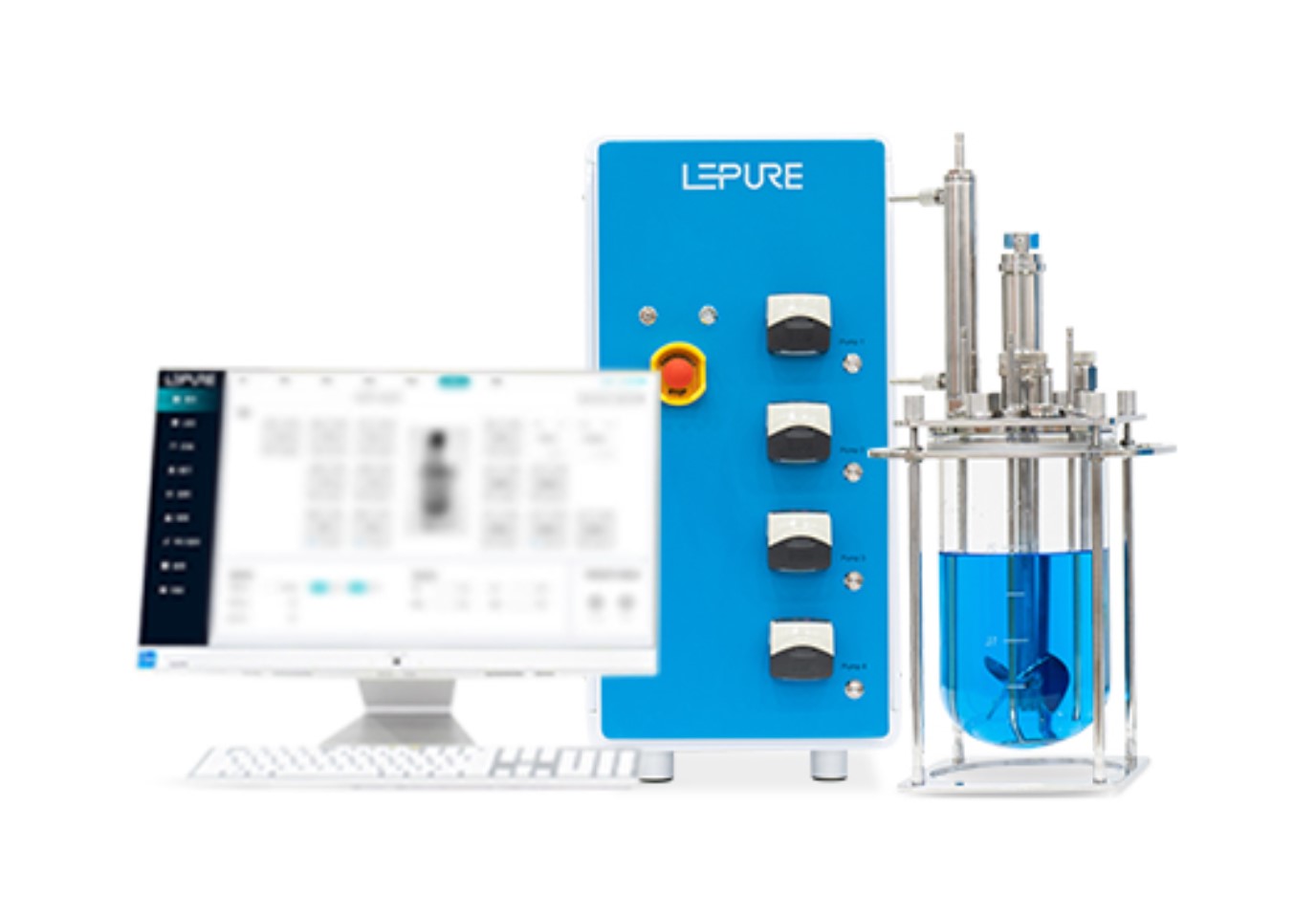
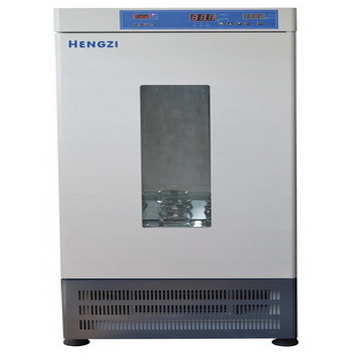
This shaker is a dedicated thermostatic equipment used in the water body BOD test, incubation and storage of bacteria, virus and microbe, plant cultivation and breeding, etc. It is widely applied in R&D institutes and production department, like environmental protection, medical care, sanitary and antiepidemic, dope test, zoology and botany, marine scientific, food engineering.
*The following content is generated by AI and is for reference only.
The product referenced is a specialized laboratory incubator designed for precise biological and biochemical applications. Typically operating within a temperature range of 4°C to 60°C, this device ensures optimal conditions for cell culture, enzyme reactions, and microbial growth. Its primary function is to maintain a stable thermal environment, preventing fluctuations that could compromise experimental integrity or sample viability. Advanced models often feature programmable controllers allowing users to set specific heating profiles, while others include humidity control systems to prevent media evaporation during long-term experiments.
Constructed with high-grade stainless steel interiors, these units offer superior corrosion resistance and ease of cleaning, essential for maintaining sterile working conditions. The exterior casing is usually powder-coated for durability in busy laboratory settings. Safety mechanisms are integral to the design, incorporating over-temperature protection alarms and automatic shut-off features to safeguard sensitive samples from thermal damage. Many units also come equipped with digital displays providing real-time monitoring of internal temperature and status indicators for power supply or door opening events.
When operating this equipment, it is crucial to ensure adequate ventilation around the unit to dissipate heat effectively and prevent overheating of surrounding components. Users should avoid placing flammable materials near the device and strictly adhere to recommended load capacities to maintain uniform air circulation inside the chamber. Regular calibration of temperature sensors is necessary to guarantee accuracy, especially for critical research involving temperature-sensitive reagents. Additionally, cleaning protocols must follow manufacturer guidelines using non-abrasive agents to preserve the integrity of the interior coating and sealing gaskets. Proper placement on a level surface prevents vibration-induced instability, which could affect delicate assays. By following these operational best practices, researchers can maximize the lifespan of the instrument and ensure reproducible, high-quality results in their biochemical investigations.





 (All Rights Reserved)