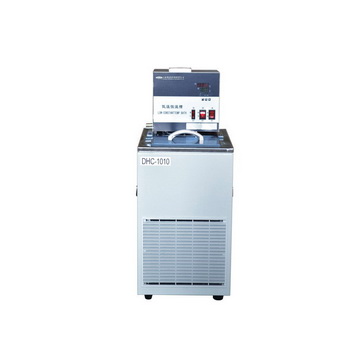
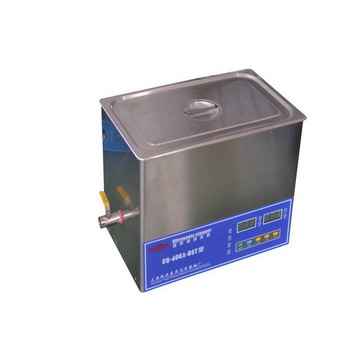
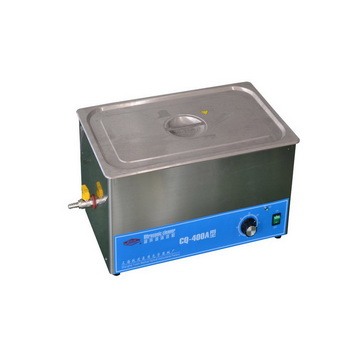
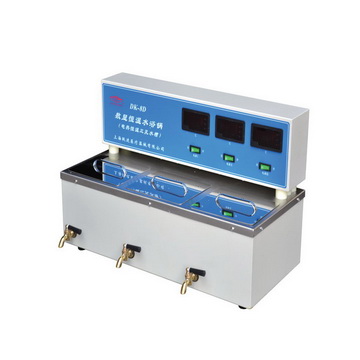
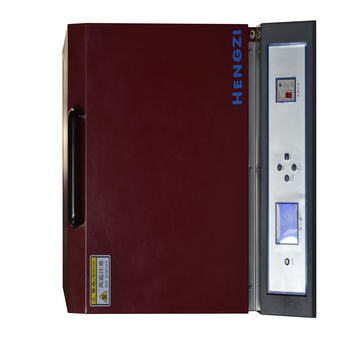
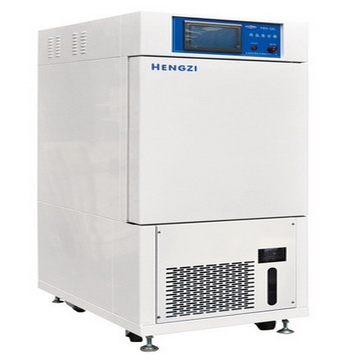
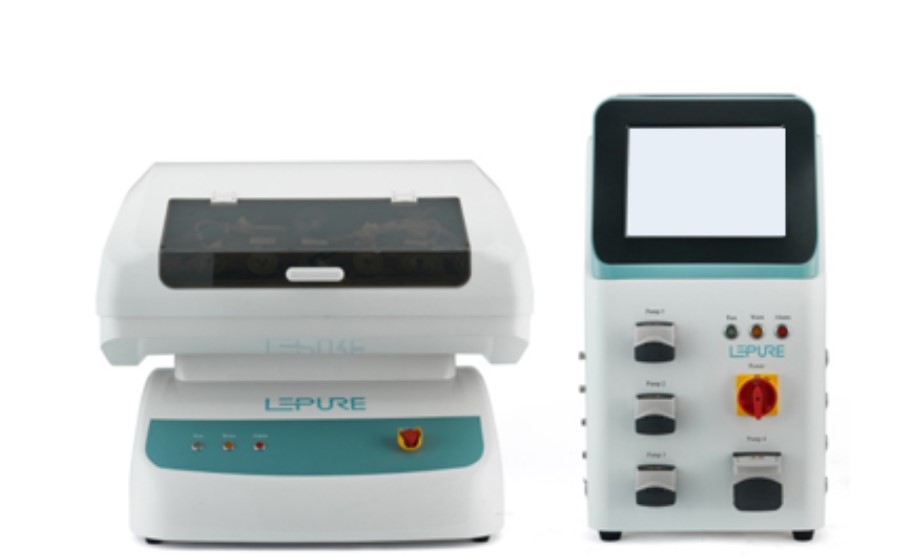
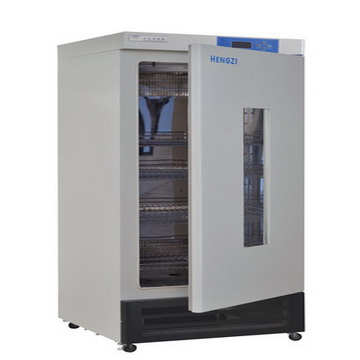
This shaker is a dedicated thermostatic equipment used in the water body BOD test, incubation and storage of bacteria, virus and microbe, plant cultivation and breeding, etc. It is widely applied in R&D institutes and production department, like environmental protection, medical care, sanitary and antiepidemic, dope test, zoology and botany, marine scientific, food engineering.
*The following content is generated by AI and is for reference only.
The device described is a laboratory-grade incubator designed specifically for cell culture and biological research applications. Its primary function is to provide a stable, controlled environment that mimics physiological conditions necessary for the growth and maintenance of sensitive biological specimens. Typically operating within a temperature range of 0°C above ambient up to 65°C, these units utilize precise heating elements and advanced microprocessor controls to maintain uniform thermal distribution throughout the chamber. This stability is critical for ensuring consistent experimental results in microbiology, tissue engineering, and general life science studies.
A key feature of such equipment is its ability to regulate humidity levels, preventing media evaporation during long-term cultures. Many models also incorporate CO2 control systems or HEPA filtration to maintain sterility and prevent cross-contamination between samples. The interior design usually includes adjustable shelving to accommodate various vessel sizes, from petri dishes to flasks, while a transparent viewing window allows researchers to monitor progress without disturbing the internal atmosphere. Safety mechanisms often include over-temperature protection alarms and independent safety circuits to safeguard valuable biological assets against power failures or equipment malfunctions.
When operating this instrument, several precautions are essential. First, ensure the unit is placed on a level, vibration-free surface away from direct sunlight or drafts to maintain thermal equilibrium. Before introducing new samples, always sterilize the interior chamber using appropriate disinfectants to eliminate potential contaminants. Avoid overcrowding the shelves, as this can obstruct airflow and create temperature gradients. Additionally, do not place volatile or corrosive chemicals inside the chamber unless the model is specifically rated for such use, as fumes can damage sensors or compromise sample integrity. Regular calibration of temperature and humidity sensors is recommended to verify accuracy. Finally, never block the ventilation grilles or air circulation fans, as proper airflow is vital for maintaining the homogeneous environment required for successful cell propagation. Adhering to these operational guidelines ensures optimal performance and extends the lifespan of the incubator while protecting experimental data reliability.





 (All Rights Reserved)