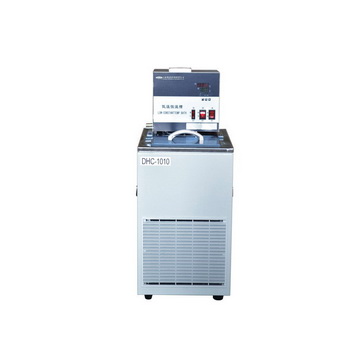
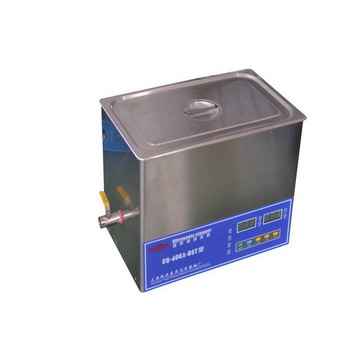
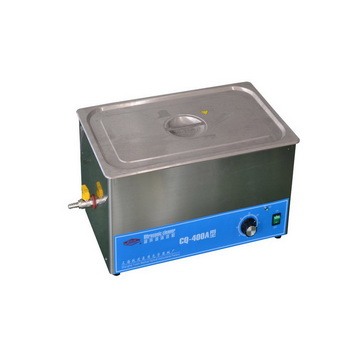
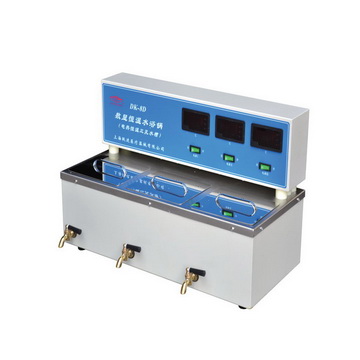
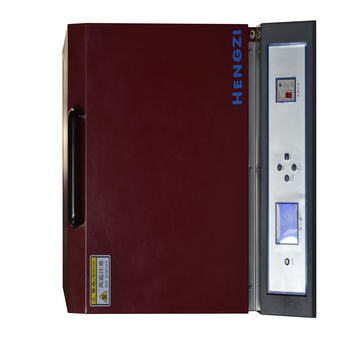
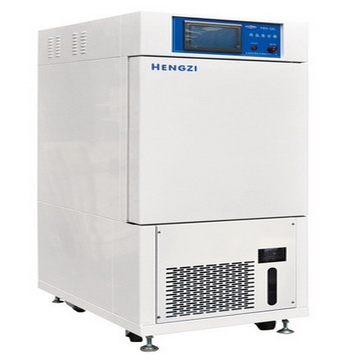
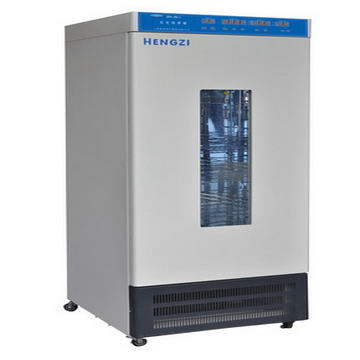
This shaker is a dedicated thermostatic equipment used in the water body BOD test, incubation and storage of bacteria, virus and microbe, plant cultivation and breeding, etc. It is widely applied in R&D institutes and production department, like environmental protection, medical care, sanitary and antiepidemic, dope test, zoology and botany, marine scientific, food engineering.
*The following content is generated by AI and is for reference only.
The SPX-250-I incubator is a specialized laboratory instrument designed primarily for cell culture and biological research applications requiring precise environmental control. Widely utilized in academic institutions, pharmaceutical companies, and biotechnology firms, this device provides a stable, contamination-free environment essential for the growth of sensitive mammalian cells, bacteria, and tissues. Its core function involves maintaining optimal temperature, humidity, and carbon dioxide levels to mimic physiological conditions, thereby ensuring consistent experimental results and high cell viability.
Constructed with a robust stainless steel interior, the unit offers exceptional durability and ease of cleaning, minimizing cross-contamination risks between experiments. The advanced microprocessor controller ensures highly accurate temperature regulation, typically ranging from ambient plus 5°C to 60°C, with uniformity across the chamber to prevent thermal gradients that could affect sample integrity. Furthermore, the integrated CO2 control system maintains atmospheric composition critical for bicarbonate-buffered media, while a dedicated humidification system prevents evaporation and osmotic stress on cultures during long-term incubation periods.
Safety features are paramount in this design. It includes over-temperature protection alarms and independent safety circuits to shut down heating elements if limits are exceeded, protecting valuable biological samples from thermal shock. Users must adhere to strict operational protocols to ensure longevity and performance. Regular calibration of sensors is necessary to maintain accuracy, and all internal surfaces should be sterilized with appropriate agents like ethanol or hydrogen peroxide before and after use. Avoid placing heavy or obstructive items near air vents to ensure proper circulation. Additionally, do not operate the unit with damaged door seals, as this compromises the sterile environment and energy efficiency. Proper ventilation around the rear of the unit is also required to dissipate heat effectively. By following these guidelines, researchers can maximize the reliability of their data and extend the service life of this critical laboratory asset.





 (All Rights Reserved)