Category:
Vitamin
CAS NO:
2646-71-1
Standard:
ChP,

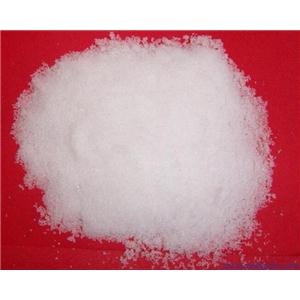

Beta-NADPH tetrasodium salt, also known as NADPH (Nicotinamide adenine dinucleotide phosphate), is a coenzyme and essential cofactor involved in various biochemical reactions in living organisms. It plays a critical role in energy metabolism and serves as a reducing agent in numerous enzymatic reactions.
Here are some key points about Beta-NADPH tetrasodium salt (NADPH):
Chemical Structure: NADPH is a coenzyme derived from the nucleotide nicotinamide adenine dinucleotide phosphate (NADP+). It consists of two nucleotides (adenine and ribose) linked by phosphate groups, with a nicotinamide ring attached to the ribose sugar. The tetrasodium salt form indicates that four sodium ions are associated with each molecule of NADPH.
Biological Role: NADPH is primarily involved in anabolic (building) reactions within cells. It serves as a reducing agent, providing electrons for various enzymatic reactions, including biosynthesis of fatty acids, cholesterol, and nucleotides. NADPH is also crucial for the maintenance of cellular redox balance and acts as a cofactor for several antioxidant enzymes, such as glutathione reductase.
Applications: NADPH is widely used in biochemical and molecular biology research. It is utilized in enzymatic assays, redox reactions, and as a cofactor in various biochemical reactions. NADPH-dependent enzymes play key roles in cellular metabolism, drug metabolism, and detoxification processes.
Stability and Storage: NADPH is generally stable when stored at -20°C or below in a dry, dark environment to prevent degradation. It is light-sensitive and should be protected from exposure to UV light.
Safety Considerations: NADPH is considered to have low toxicity. However, as with any chemical substance, it is important to handle it with proper care, wear appropriate personal protective equipment (PPE), and follow good laboratory practices.



 (All Rights Reserved) (All Rights Reserved)