Category:
Prophylactic Biological Products
CAS NO:
1185-53-1
Standard:
ChP,In-house Standards,

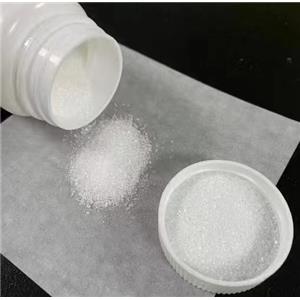

TRIS hydrochloride, also known as Tris HCl or Tris-HCl, is a commonly used biological buffer in various biochemical and molecular biology applications. It is a salt form of Tris (Tris(hydroxymethyl)aminomethane) that is combined with hydrochloric acid to form a stable compound.
Here are some key points about TRIS hydrochloride:
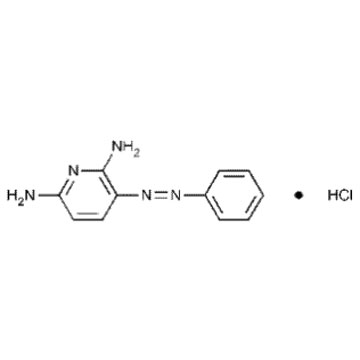
Chemical Formula and Structure: TRIS hydrochloride has the chemical formula C4H12ClNO3 and a molar mass of 157.60 g/mol. Its chemical structure consists of a Tris molecule combined with a chloride ion.
Buffer Properties: TRIS hydrochloride is an effective buffer due to its ability to maintain a relatively constant pH even when small amounts of acid or base are added. It has a pKa value of approximately 8.1, making it suitable for buffering in the pH range of 7.0-9.0.
pH Range: TRIS hydrochloride is commonly used for biological applications requiring a slightly basic pH. It is often used in the range of pH 7.2-9.0.
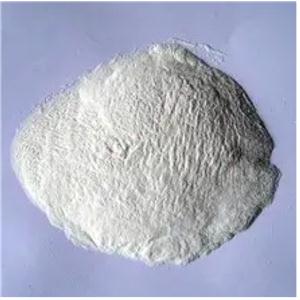
Solubility and Storage: TRIS hydrochloride is highly soluble in water, making it easy to prepare buffer solutions. It is generally stored as a solid powder at room temperature, protected from moisture.
Applications: TRIS hydrochloride is widely used in biochemical and molecular biology research. It is commonly used as a buffer in various laboratory procedures, such as DNA and protein electrophoresis, enzyme assays, and immunoblotting. TRIS HCl helps maintain a stable pH environment for the optimal functioning of enzymes and other biological macromolecules.
Safety Considerations: As with any chemical substance, it is important to handle TRIS hydrochloride with proper safety precautions. It is recommended to use gloves, protective eyewear, and follow appropriate handling and disposal procedures.



 (All Rights Reserved) (All Rights Reserved)