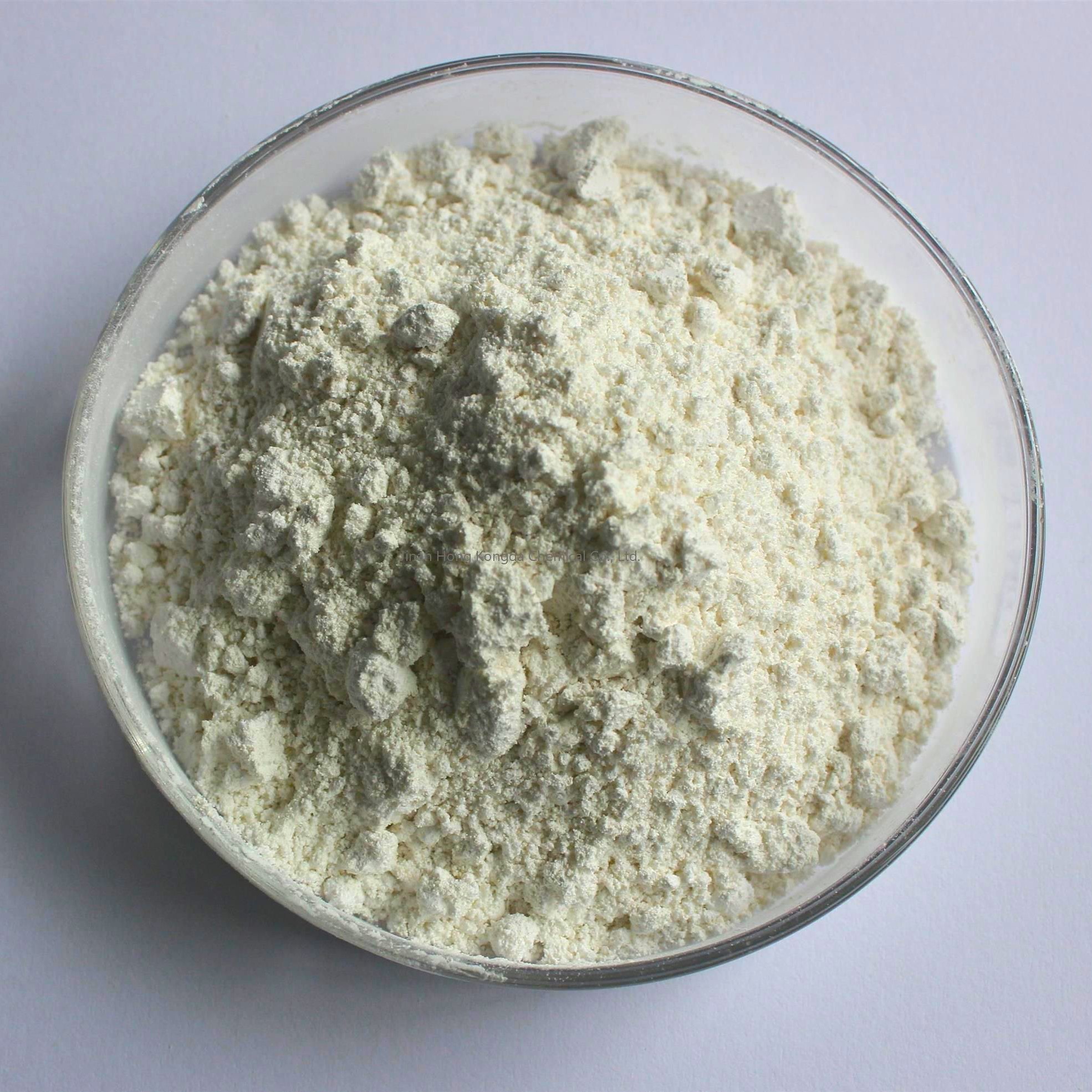
Product Description
- Preservative: Benzoic acid inhibits the growth of bacteria, fungi, and yeasts, extending the shelf life and preventing spoilage of various pharmaceutical products.
- Topical Antiseptic: In low concentrations, it can be used in ointments and lotions to treat minor skin infections.
AI Product Description
*The following content is generated by AI and is for reference only.
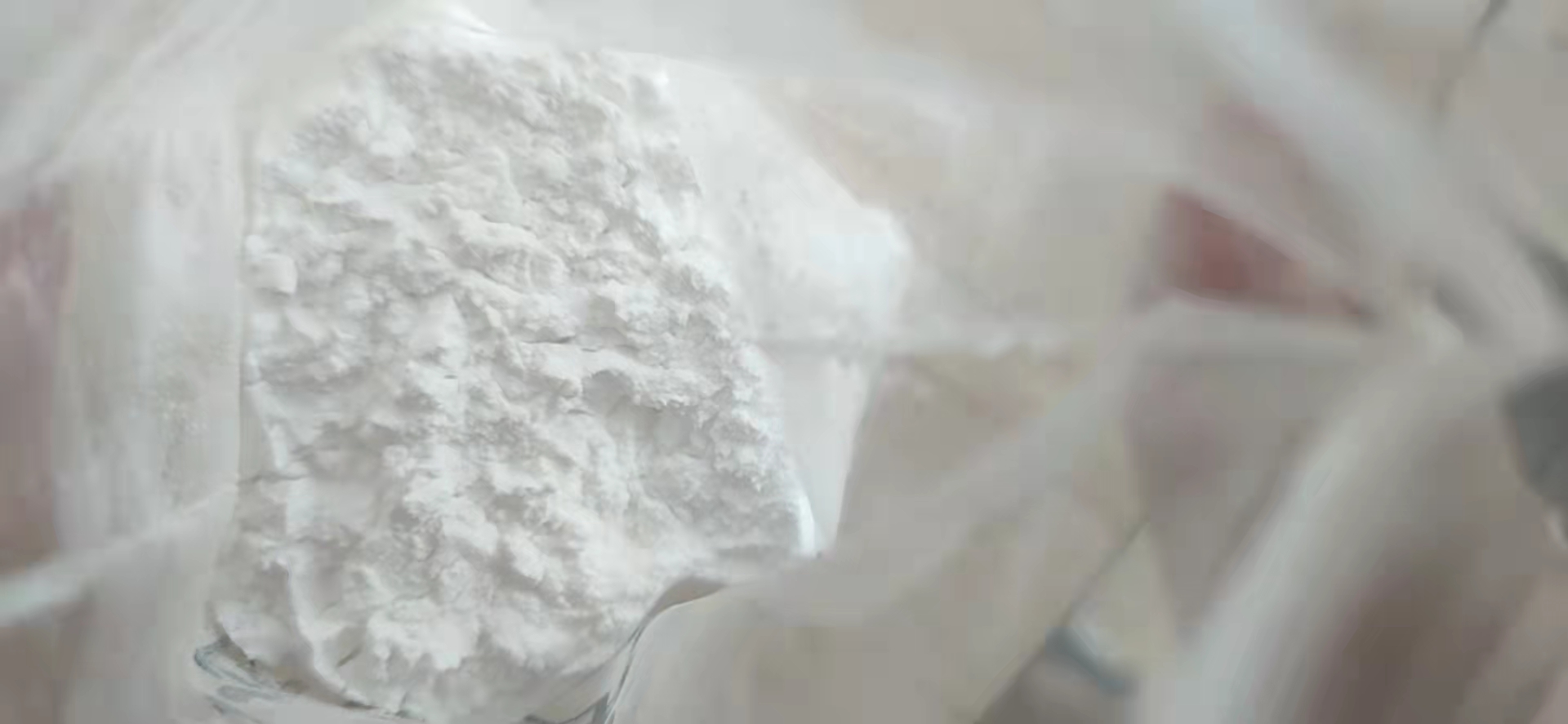
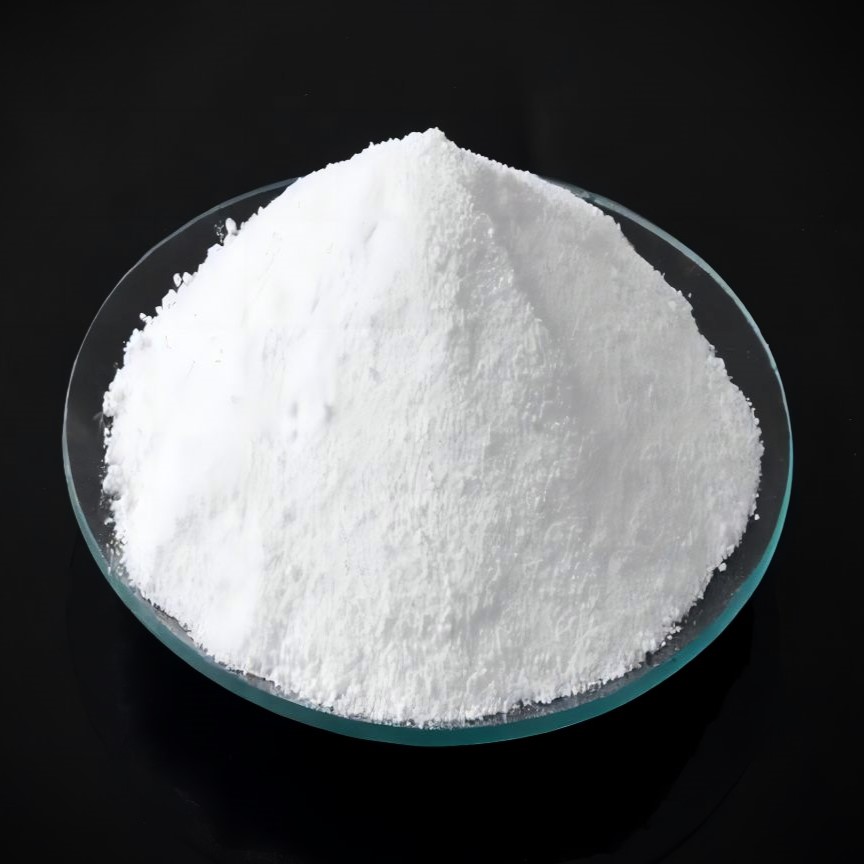
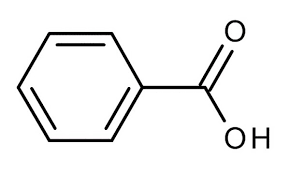
Benzoic acid, chemically known as benzene carboxylic acid, is a widely utilized organic compound characterized by a benzene ring attached to a carboxyl group. Its molecular formula is C₇H₆O₂, and it bears the CAS Registry Number 65-85-0. At standard conditions, this substance appears as colorless or white crystalline flakes or needles with a distinct, pleasant aromatic odor. It is sparingly soluble in cold water but dissolves readily in hot water, ethanol, ether, and other organic solvents. Naturally occurring in various plants such as cranberries, prunes, and cinnamon, benzoic acid serves as a vital preservative in the food and beverage industries due to its effective antimicrobial properties against bacteria, yeast, and molds.
In commercial applications, benzoic acid and its salts, particularly sodium benzoate, are extensively employed to extend shelf life in acidic products like soft drinks, fruit juices, pickles, salad dressings, and condiments. Beyond food preservation, it plays a critical role in the pharmaceutical sector as an ingredient in topical antifungal treatments and antiseptic ointments. The chemical industry also relies heavily on benzoic acid as a key precursor for synthesizing a vast array of derivatives. Most notably, it is a fundamental building block for producing plasticizers, resins, dyes, perfumes, and insecticides. In polymer chemistry, it is essential for manufacturing alkyd resins used in high-performance coatings and varnishes. Furthermore, it acts as an intermediate in the synthesis of important pharmaceutical agents and agrochemicals. While generally recognized as safe (GRAS) within regulated limits, its usage is strictly monitored to ensure consumer safety. As a versatile industrial commodity, benzoic acid remains indispensable across multiple sectors, bridging the gap between natural preservation methods and complex synthetic chemical manufacturing processes.






 (All Rights Reserved)