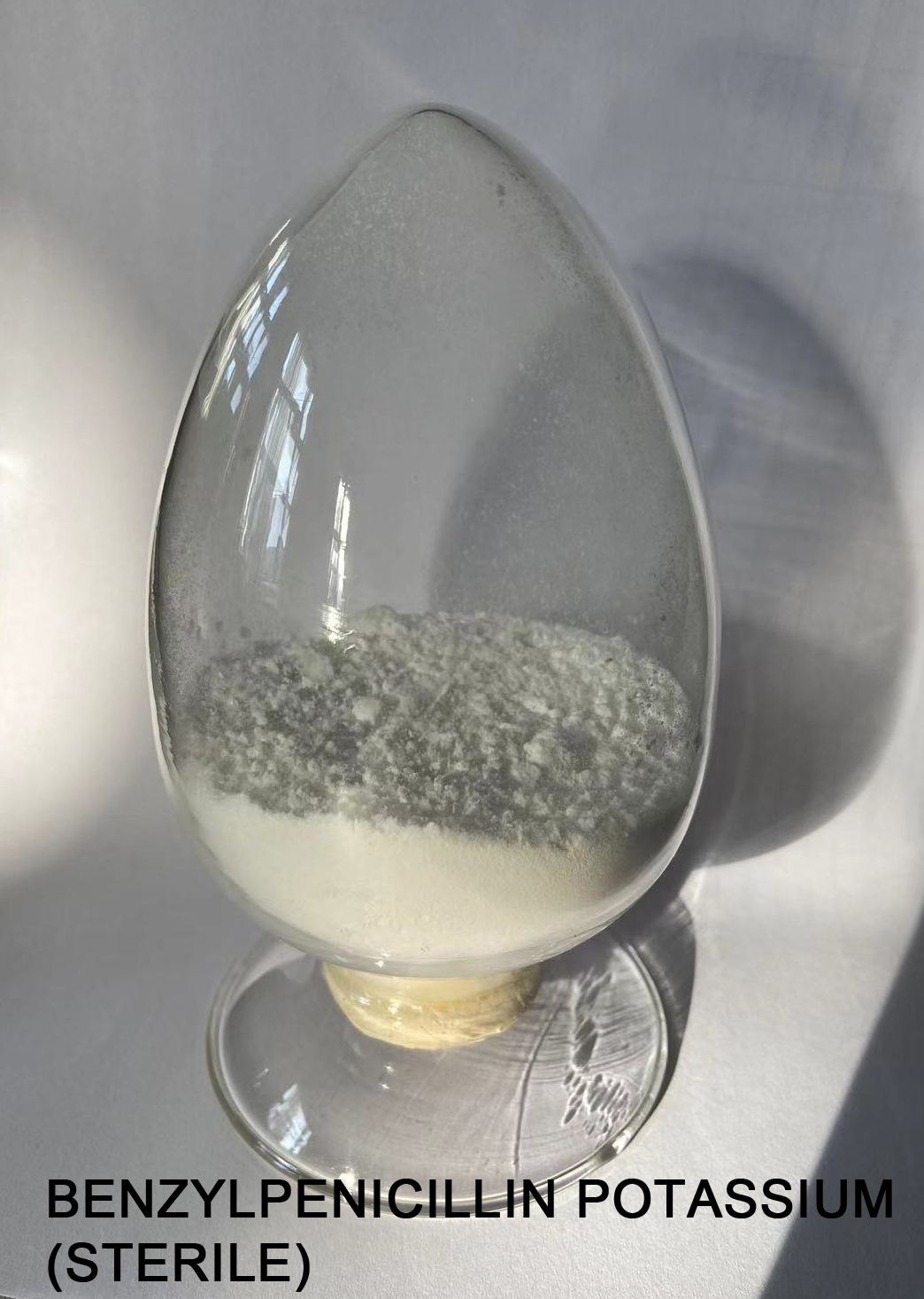
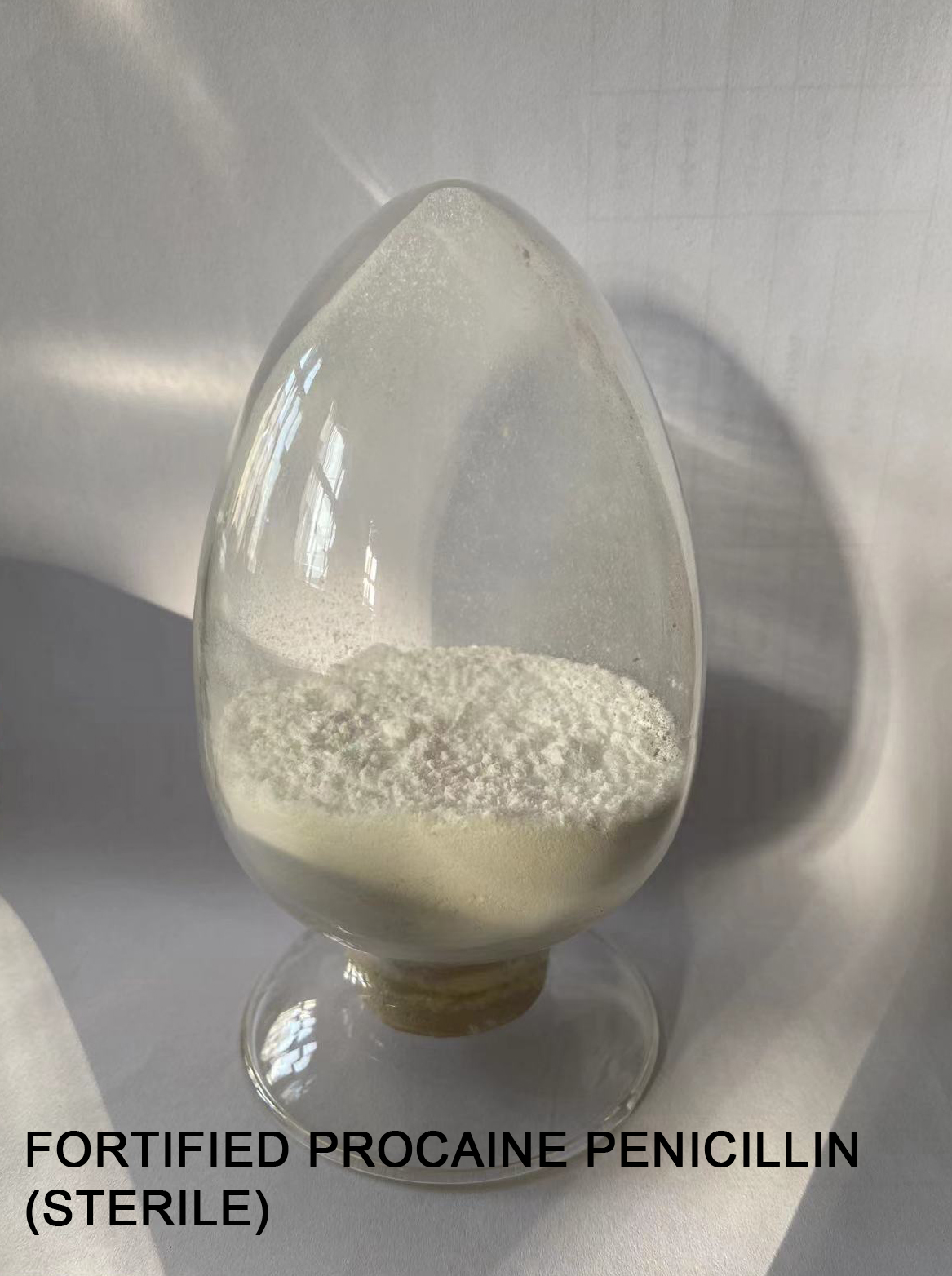
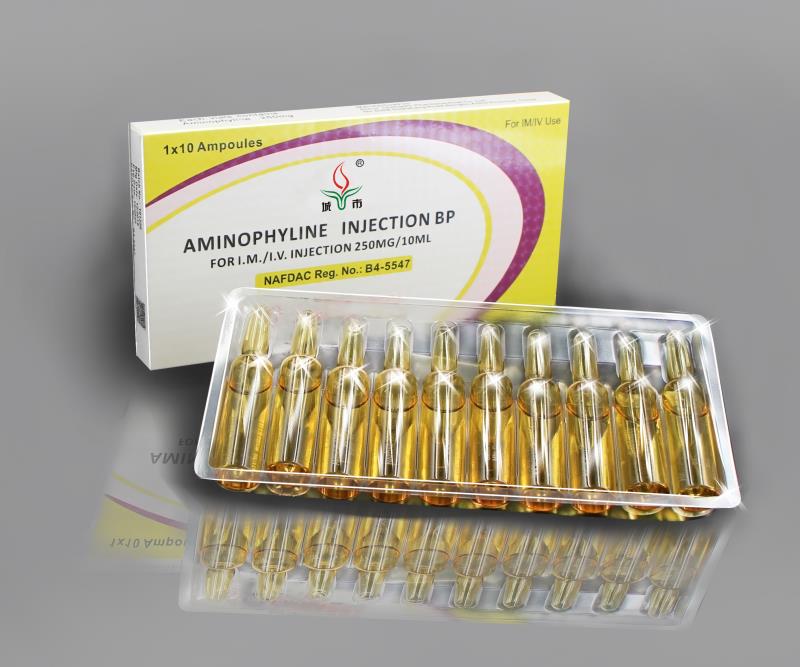
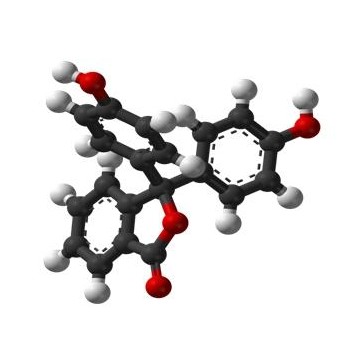
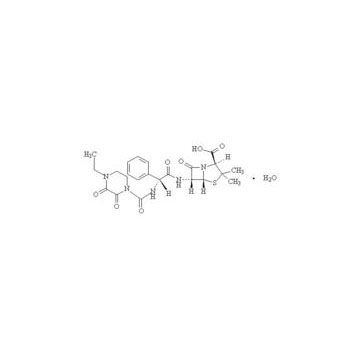
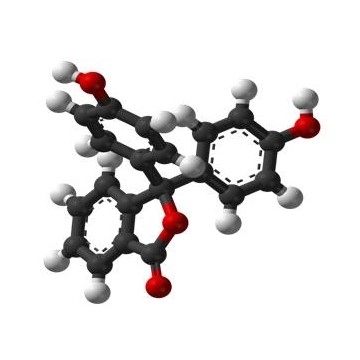
Benzathine penicillin is an antibiotic that can fight a variety of bacterial infections.Its absorption is very slow, blood drug concentration is low, suitable for patients who need long-term use of penicillin prevention, such as chronic rheumatic heart disease patients.
*The following content is generated by AI and is for reference only.
Benzathine Benzylpenicillin (Sterile) is a long-acting injectable antibiotic formulation derived from penicillin G. Chemically, it represents the benzathine salt of benzylpenicillin, designed to provide sustained therapeutic levels of the active drug in the bloodstream. Its molecular formula is C36H48N2Na2O8S2, and it is uniquely identified by the CAS Registry Number 11107-40-5. This specific salt form is characterized by its low solubility in water, which allows for slow absorption from the intramuscular injection site into systemic circulation. Consequently, it maintains effective plasma concentrations of penicillin for up to two to four weeks following a single dose, making it an invaluable tool for treating infections requiring prolonged antibiotic exposure without daily administration.
The primary clinical application of Benzathine Benzylpenicillin involves the treatment and prevention of streptococcal infections. It is the gold-standard therapy for early syphilis caused by Treponema pallidum, offering a convenient single-dose or short-course regimen that ensures patient compliance. Furthermore, it plays a critical role in preventing rheumatic fever recurrence in patients with a history of rheumatic heart disease by eliminating residual group A beta-hemolytic streptococci. The sterile powder must be reconstituted immediately before use with a suitable diluent, such as sterile water for injection, to create a suspension for deep intramuscular injection. Due to its extended release mechanism, it is generally not indicated for acute, severe infections where rapid high serum concentrations are required; instead, aqueous penicillin G is preferred in those scenarios. While highly effective, the product carries risks associated with penicillin allergies, including potential anaphylactic reactions, necessitating careful patient screening prior to administration. As a prescription-only medication, strict adherence to storage conditions and handling protocols is essential to maintain its sterility and potency. This formulation remains a cornerstone in global public health strategies for controlling sexually transmitted diseases and managing chronic rheumatic complications worldwide.
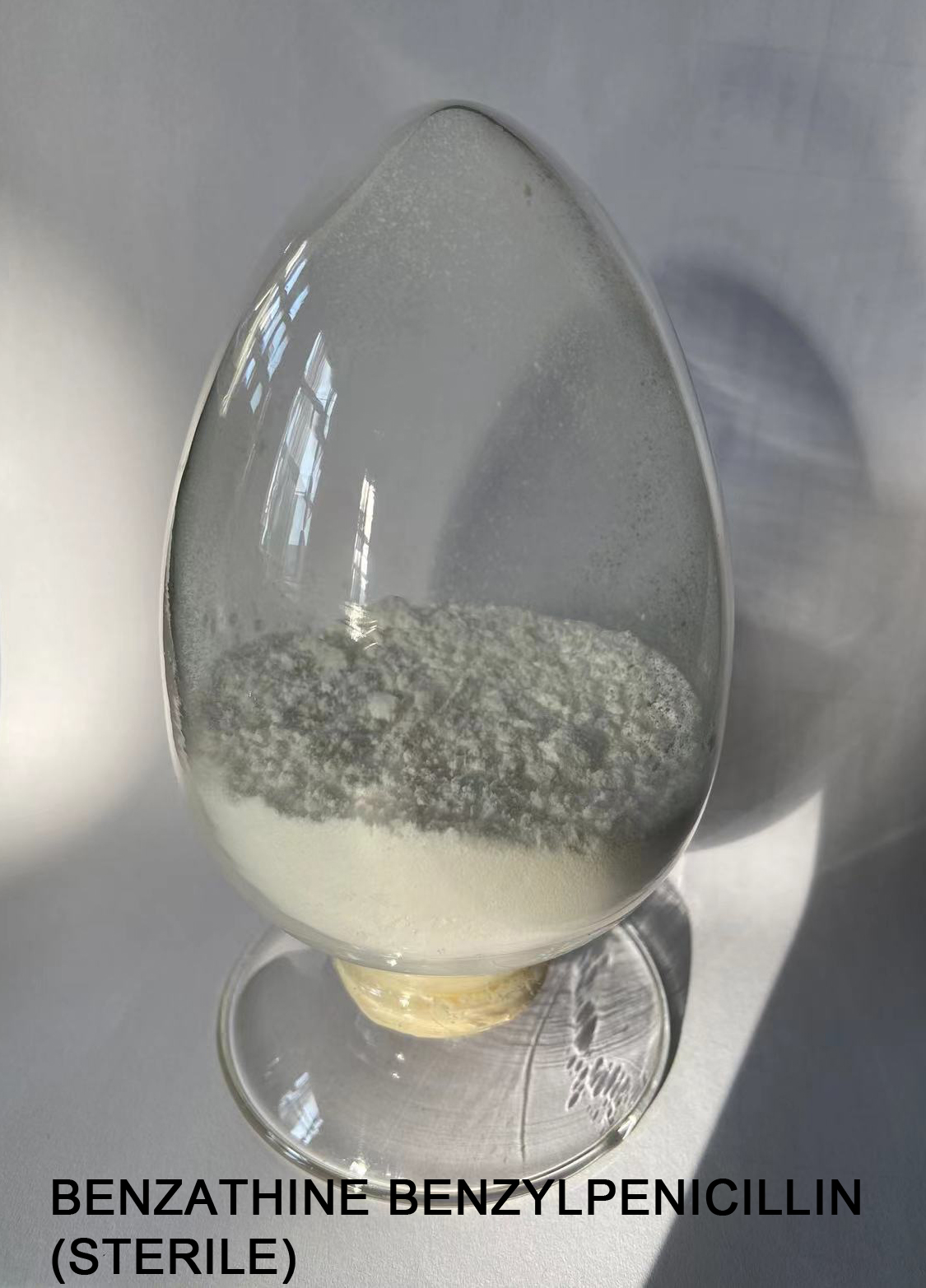



 (All Rights Reserved)