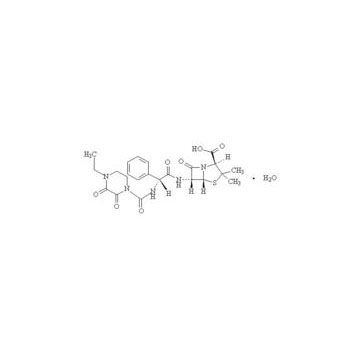
Product Description
EINECS NO.: 248-003-8
Molecular weight: 419.45
Boiling point: 743.2°C at 760 mmHg
Density: 3.39E-23mmHg at 25°C
Flash point: 403.3°C
Amoxicillin Trihydrate USP/BP/EP
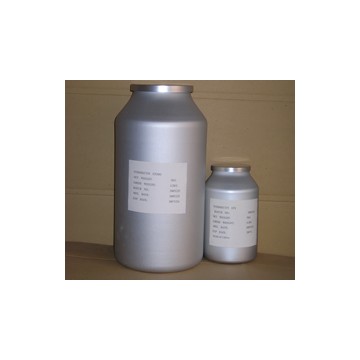
25kgs/drum
GMP /DMF/ COS Certificates
AI Product Description
*The following content is generated by AI and is for reference only.
Amoxicillin Trihydrate is a widely prescribed semi-synthetic beta-lactam antibiotic belonging to the aminopenicillin class. Chemically, its molecular formula is C16H20N3O7S·3H2O, reflecting the addition of three water molecules to the anhydrous form of amoxicillin. The unique CAS Registry Number for this specific hydrate is 28737-46-4. This compound acts by inhibiting bacterial cell wall synthesis, specifically targeting penicillin-binding proteins (PBPs) to disrupt peptidoglycan cross-linking, ultimately leading to bacterial lysis and death. It demonstrates broad-spectrum activity against both Gram-positive and Gram-negative bacteria, including Streptococcus species, non-beta-lactamase-producing Staphylococcus aureus, Escherichia coli, Haemophilus influenzae, and Proteus mirabilis.
The trihydrate form is preferred in pharmaceutical manufacturing due to its superior stability and solubility compared to the anhydrous variant. It typically appears as a white or almost white crystalline powder with a slightly bitter taste. Clinically, Amoxicillin Trihydrate is indicated for treating a diverse range of infections such as otitis media, pneumonia, bronchitis, skin and soft tissue infections, urinary tract infections, and enterococcal endocarditis prophylaxis. It is also a key component in combination therapies for Helicobacter pylori eradication when paired with clarithromycin and a proton pump inhibitor. The drug is commonly administered orally in various dosage forms, including capsules, tablets, chewable tablets, and oral suspensions, offering flexibility for pediatric and adult patients alike.
While generally well-tolerated, hypersensitivity reactions ranging from mild rashes to severe anaphylaxis remain the most significant concern, particularly in individuals with known penicillin allergies. Gastrointestinal disturbances like diarrhea and nausea are also frequent side effects. Resistance mechanisms, primarily mediated by beta-lactamase enzymes produced by certain pathogens, can limit efficacy; therefore, co-administration with beta-lactamase inhibitors like clavulanic acid is often employed to broaden the spectrum of activity. Its pharmacokinetic profile features rapid absorption after oral administration, with peak plasma concentrations reached within one to two hours, ensuring effective therapeutic levels in tissues and fluids. As a cornerstone of modern antimicrobial therapy, Amoxicillin Trihydrate continues to be a vital tool in global healthcare for managing common bacterial infections safely and effectively.



 (All Rights Reserved)