Product Description
white crystalline powders; odorless or with a slight specific odor, hygroscopic; they rapidly deteriorate upon exposure to acids, alkalis, or oxidizing agents. They are highly soluble in water and soluble in ethanol.
AI Product Description
*The following content is generated by AI and is for reference only.
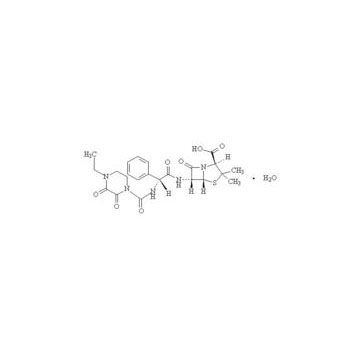
Ampicillin Sodium Sterile Crystalline, commonly known as Ampicillin Sodium, is a broad-spectrum beta-lactam antibiotic belonging to the aminopenicillin class. Its chemical formula is C₁₆H₁₈N₃NaO₄S, and it carries the CAS Registry Number 69-53-4. This sterile crystalline powder is the sodium salt of ampicillin, designed for parenteral administration to ensure rapid and reliable bioavailability in clinical settings. The compound is characterized by its white to off-white appearance and high solubility in water, making it ideal for preparing injectable solutions.
The primary therapeutic application of Ampicillin Sodium is the treatment of serious bacterial infections caused by susceptible organisms. It exhibits activity against both Gram-positive and Gram-negative bacteria, including strains of *Streptococcus*, *Staphylococcus* (non-penicillinase-producing), *E. coli*, *Salmonella*, *Shigella*, and *Proteus mirabilis*. Clinicians frequently utilize this medication for managing respiratory tract infections, urinary tract infections, meningitis, septicemia, and gastrointestinal infections such as typhoid fever. Due to its ability to cross the blood-brain barrier, it is particularly effective in treating bacterial meningitis when combined with other agents if necessary.
As a sterile product, Ampicillin Sodium must be reconstituted immediately before use according to specific pharmaceutical guidelines to maintain sterility and potency. Once dissolved, the solution should be administered intravenously or intramuscularly within a short timeframe to prevent degradation. While generally well-tolerated, patients with a history of penicillin allergy may experience hypersensitivity reactions ranging from mild rashes to life-threatening anaphylaxis. Additionally, resistance mechanisms, such as beta-lactamase production by certain bacteria, can limit its efficacy, necessitating careful susceptibility testing prior to prescription. In research laboratories, this compound serves as a critical selection agent in molecular biology, specifically for maintaining plasmids containing the *bla* gene in bacterial cultures. Its stability, broad spectrum, and established safety profile make it a cornerstone in both human medicine and scientific research globally.



 (All Rights Reserved)