Product Description
white powders; odorless or with a slight specific odor, hygroscopic; they rapidly deteriorate upon exposure to acids, alkalis, or oxidizing agents. They are highly soluble in water and soluble in ethanol.
AI Product Description
*The following content is generated by AI and is for reference only.
Ampicillin Sodium and Sulbactam Sodium (2:1) Sterile Powder is a widely utilized parenteral antibiotic combination designed to treat severe bacterial infections caused by beta-lactamase-producing organisms. This formulation consists of ampicillin, a broad-spectrum penicillin derivative, paired with sulbactam, a potent beta-lactamase inhibitor. The specific 2:1 molar ratio ensures that the inhibitor effectively protects ampicillin from enzymatic degradation, thereby extending its antibacterial spectrum and clinical efficacy against resistant strains.
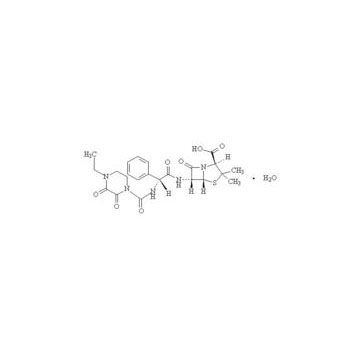
Chemically, the active ingredients possess distinct molecular identities. Ampicillin sodium has the molecular formula C₁₆H₁₈N₃NaO₄S and corresponds to CAS number 693-18-3. Sulbactam sodium is represented by the formula C₈H₁₀NNaO₅S₂ with CAS number 50742-33-5. When combined in this sterile powder form, these compounds are presented as a white to off-white lyophilized solid, ready for reconstitution with sterile water or saline prior to intravenous or intramuscular administration. The product is strictly intended for hospital settings under professional medical supervision due to the risk of hypersensitivity reactions, including anaphylaxis, particularly in patients with penicillin allergies.
The primary therapeutic application of this combination targets respiratory tract infections, urinary tract infections, skin and soft tissue infections, and intra-abdominal infections. It is highly effective against pathogens such as *Staphylococcus aureus* (methicillin-sensitive), *Escherichia coli*, *Klebsiella* species, and *Haemophilus influenzae*. The inclusion of sulbactam specifically enhances activity against organisms producing plasmid-mediated beta-lactamases, which would otherwise render ampicillin ineffective alone. This synergy makes it a critical tool in empirical therapy before culture results are available and in treating confirmed mixed infections involving resistant bacteria.
Storage requirements mandate keeping the vial in a cool, dry place away from direct light to maintain stability. Once reconstituted, the solution must be used immediately or stored under strict refrigeration for a limited duration, as the chemical integrity diminishes over time. While generally well-tolerated, monitoring for gastrointestinal disturbances, diarrhea, or injection site reactions is standard practice during treatment protocols. As with all antibiotics, appropriate dosing based on renal function and patient weight is essential to maximize therapeutic outcomes while minimizing adverse effects and the development of further resistance.



 (All Rights Reserved)