Product Description
Pharmaceutical
Raw Materials and Intermediates
AI Product Description
*The following content is generated by AI and is for reference only.
Azoxystrobin is a widely utilized broad-spectrum fungicide belonging to the strobilurin class, chemically known as methyl (E)-2-{2-[6-(2-cyanophenoxy)pyrimidin-4-yloxy]phenyl}-3-methoxyacrylate. Its Chemical Abstracts Service (CAS) Registry Number is 131860-33-8. The molecular formula of this compound is C22H17N3O5, with a molecular weight of approximately 399.39 g/mol. First introduced in the late 1990s, Azoxystrobin has become a cornerstone in modern agricultural pest management due to its unique mode of action and high efficacy.
The primary application of Azoxystrobin lies in protecting a vast array of crops against fungal diseases. It is extensively used on cereals such as wheat, barley, and rice, as well as on fruits like grapes, apples, and citrus, vegetables including tomatoes and potatoes, and various oilseeds. The product effectively controls a diverse range of pathogens, including powdery mildew, leaf spots, rusts, blights, and downy mildews. Its mechanism involves inhibiting mitochondrial respiration at the cytochrome bc1 complex, thereby blocking energy production within the fungal cells and preventing spore germination and hyphal growth.
One of the most significant advantages of Azoxystrobin is its preventive, curative, and eradicant activity, allowing farmers to treat infections that have already begun while also providing robust protection against future outbreaks. Furthermore, it exhibits excellent systemic properties, moving readily within plant tissues to offer long-lasting residual control. Beyond direct disease suppression, Azoxystrobin often induces physiological benefits in plants, enhancing photosynthesis efficiency, improving chlorophyll content, and promoting overall crop vigor and yield. This dual function makes it highly valuable for integrated pest management programs aimed at sustainable agriculture.
Despite its effectiveness, responsible usage is critical to mitigate the risk of pathogen resistance developing over time. Agricultural guidelines recommend rotating Azoxystrobin with fungicides from different chemical groups to ensure long-term efficacy. While generally considered safe for humans when used according to label instructions, environmental stewardship remains paramount, particularly regarding its impact on aquatic organisms. As global food demand rises, Azoxystrobin continues to play an indispensable role in securing crop health and ensuring stable food supplies worldwide through advanced, science-based disease control strategies.
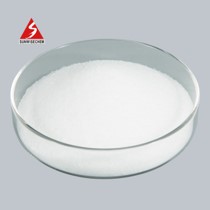



 (All Rights Reserved)
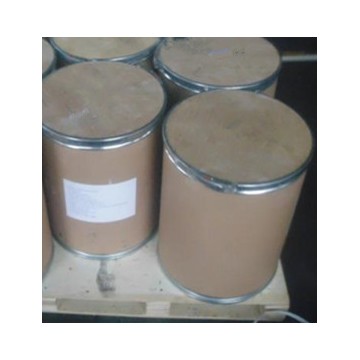
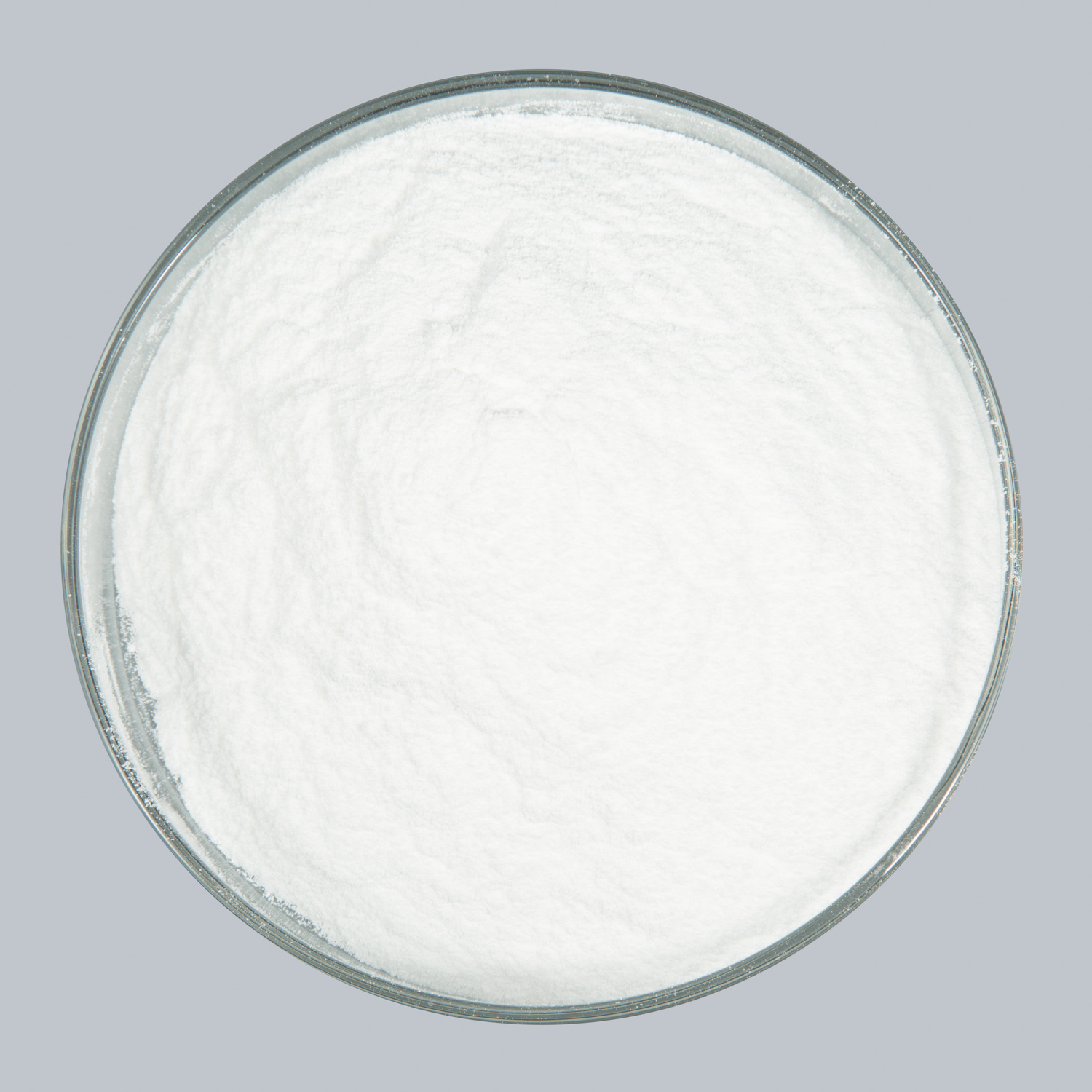

![6,8-Dioxo-5,7-diazaspiro[3.4]octane-2-carboxylic acid](https://eimg.pharmasources.com/image/product/20250403/02effeb5a7639bc84ff1f3add3c0c64fjpg)
![8,16-Diazadispiro[6.1.6.2]heptadecan-17-one](https://eimg.pharmasources.com/image/product/20250403/ca91cba8b87e53fc879f8d8764873a40jpg)




![8-Oxa-1,3-diazaspiro[4.5]decane-2,4-dione](https://eimg.pharmasources.com/image/product/20250403/60fa7223d5a34f24138486ceea0ffb15jpg)
