Product Description
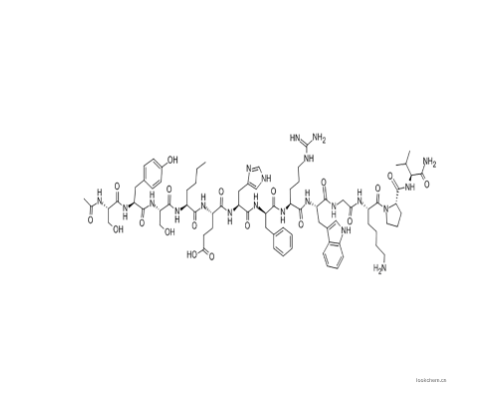
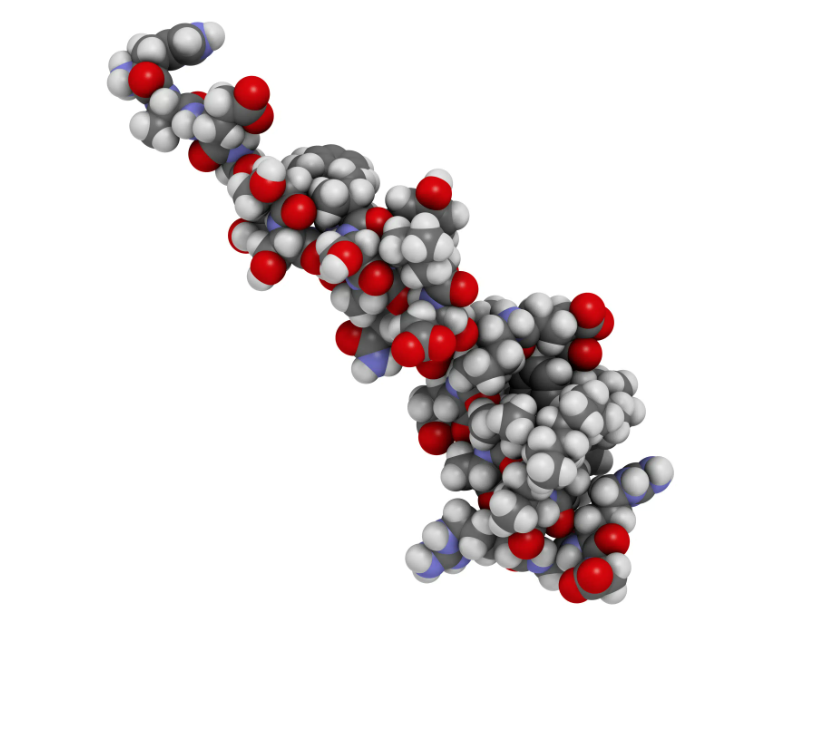
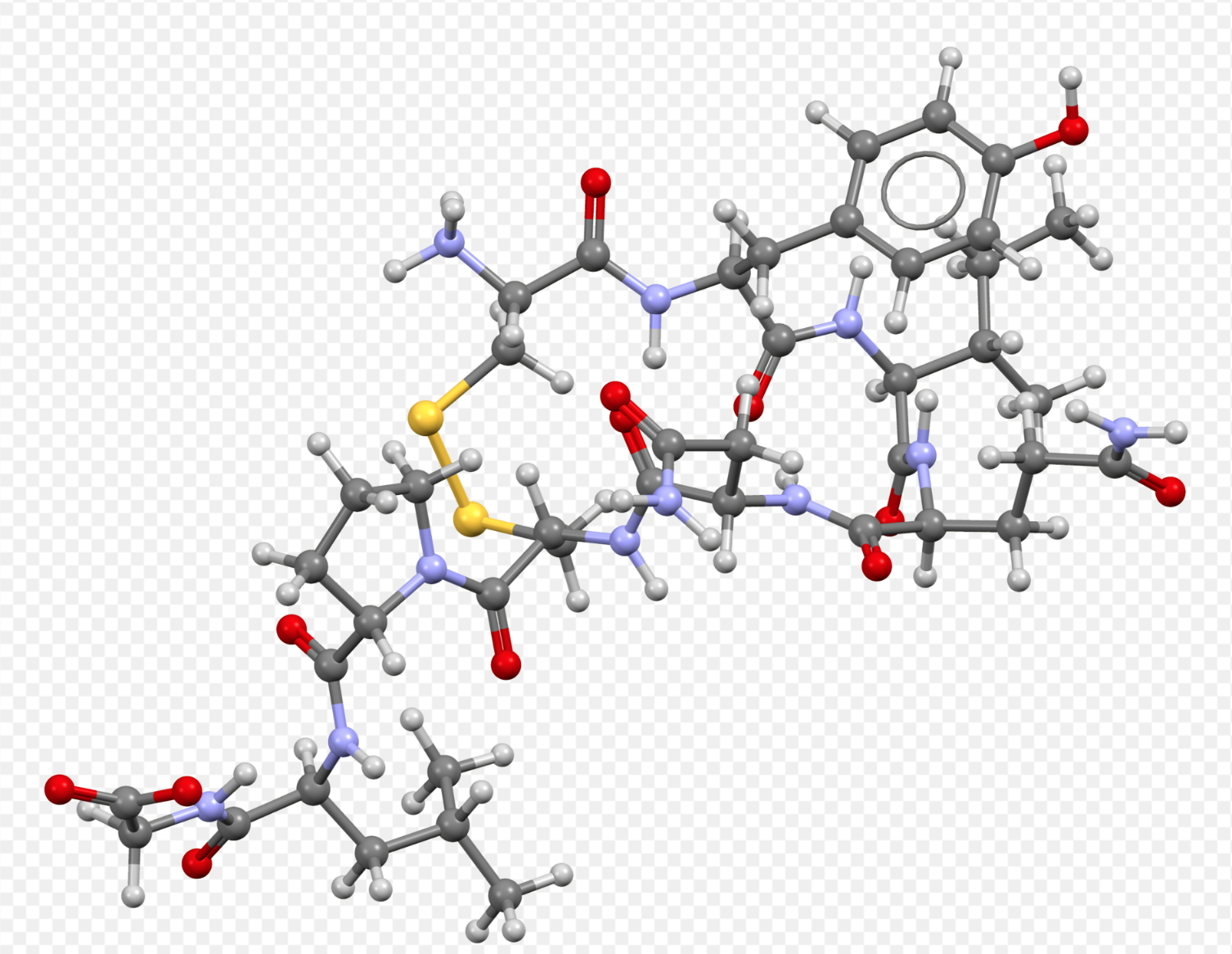
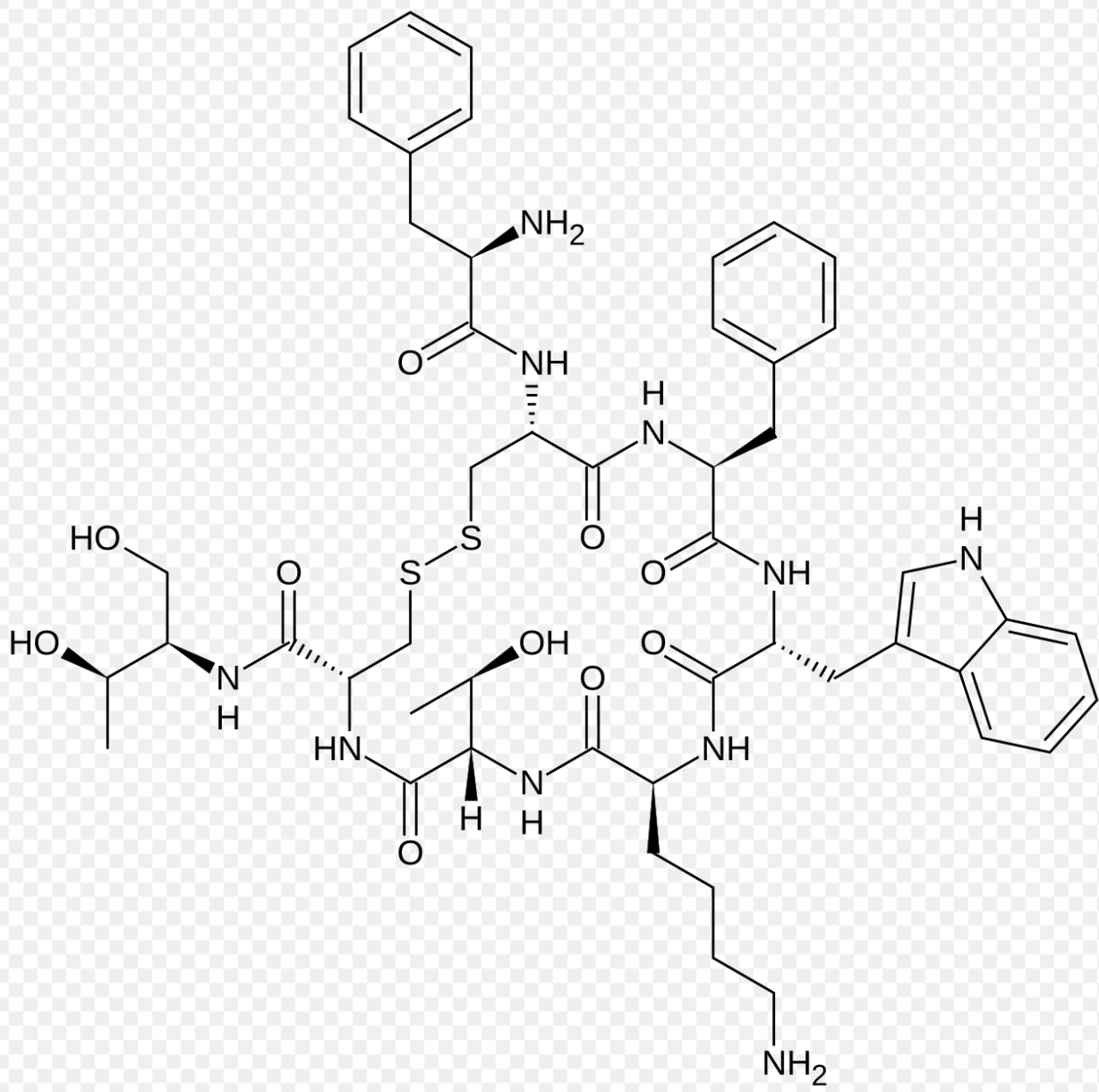
Autocamtide-2-related inhibitory peptide (TFA) is a peptide composed of 13 amino acids. It is a very common linear peptide in peptide synthesis. Autocamtide-2-related inhibitory peptide (TFA) is highly specific and is effective for CaMKII Inhibitor.
AI Product Description
*The following content is generated by AI and is for reference only.
Autocamtide-2-related inhibitory peptide (TFA) is a highly specific synthetic peptide antagonist designed to investigate the regulatory mechanisms of myosin light chain kinase (MLCK). This compound serves as a critical tool in cell biology and pharmacological research, particularly for understanding the modulation of smooth muscle contraction and non-muscle cell motility. Structurally derived from the endogenous substrate autocamtide-2, this modified peptide incorporates a trifluoroacetate (TFA) salt form to enhance solubility and stability during experimental applications. The primary function of Autocamtide-2-related inhibitory peptide is to competitively inhibit MLCK activity by mimicking the phosphorylation site on the myosin light chain, thereby preventing the enzyme from catalyzing the phosphorylation reaction essential for actin-myosin interaction.
By blocking MLCK, researchers can effectively study the downstream effects on cellular processes such as cytokinesis, cell migration, and the maintenance of cell shape. This peptide is indispensable in assays exploring the pathophysiology of hypertension, asthma, and various vascular disorders where smooth muscle tone regulation is compromised. Its specificity ensures minimal off-target effects, allowing for precise dissection of signaling pathways involving calcium-calmodulin complexes. In laboratory settings, it is frequently utilized in vitro to determine the dose-dependent inhibition of kinase activity and to validate the role of MLCK in disease models. The TFA counterion facilitates handling in aqueous buffers commonly used in biochemical assays. While not currently approved as a therapeutic drug for human use, its value in fundamental research remains unparalleled. Scientists rely on this reagent to uncover novel targets for future drug development aimed at modulating muscle contractility without affecting other kinases. Comprehensive characterization confirms its molecular identity, ensuring reproducibility across diverse experimental protocols. Consequently, Autocamtide-2-related inhibitory peptide stands as a cornerstone reagent for elucidating the complex interplay between protein kinases and cytoskeletal dynamics in both physiological and pathological contexts.





 (All Rights Reserved)