Product Description
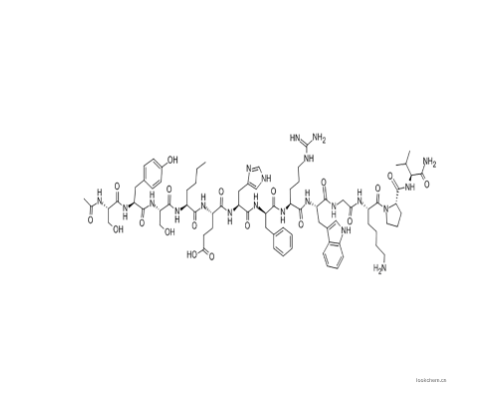
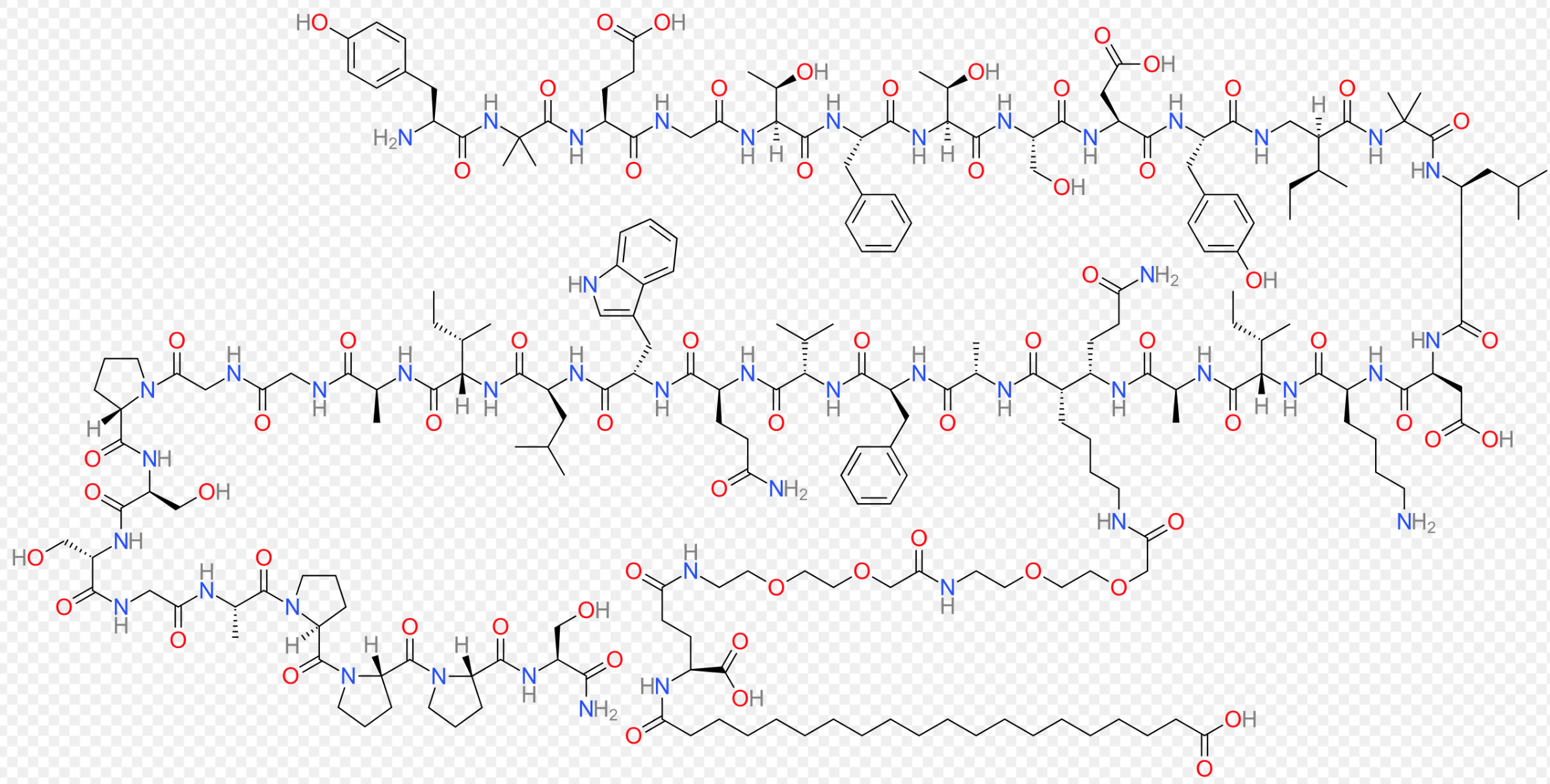
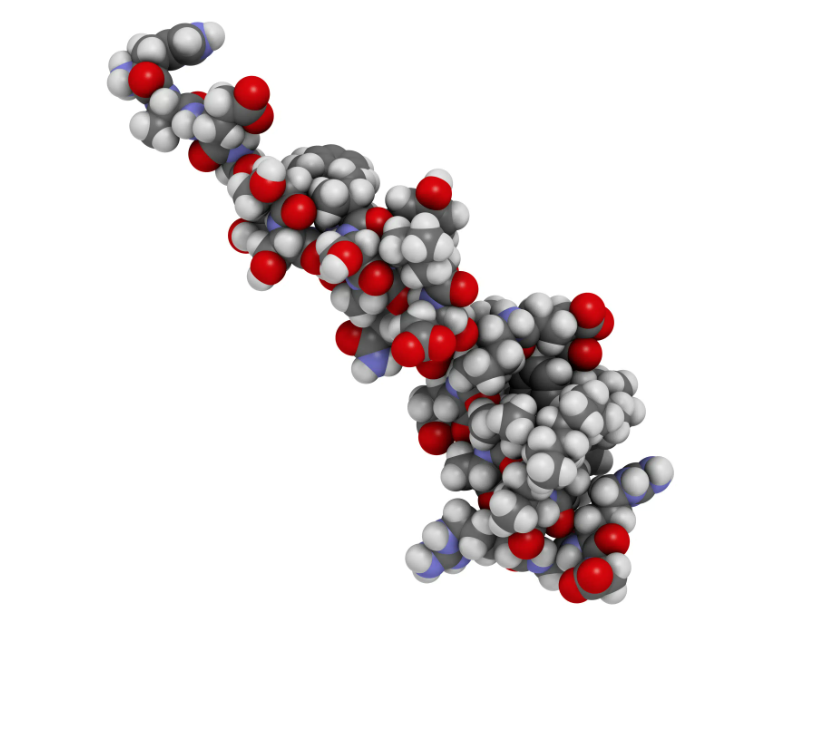
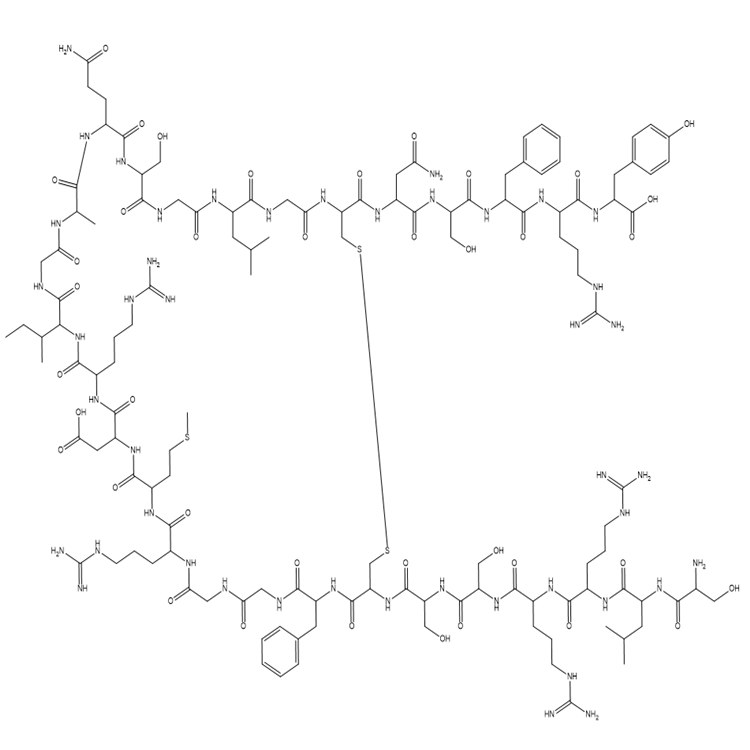
Atrial Natriuretic Peptide (ANP) (1-28) is a peptide produced and secreted by the heart. The peptide sequence contains 28 amino acids and has a pair of disulfide bond mechanisms. The main physiological function of Atrial Natriuretic Peptide (ANP) (1-28) is to respond to heart damage and mechanical stretching, and it can also inhibit the secretion of endothelin-1.
AI Product Description
*The following content is generated by AI and is for reference only.
Atrial Natriuretic Peptide (ANP) (1-28) is a biologically active 28-amino acid polypeptide hormone primarily synthesized and secreted by the cardiac atrial myocytes in response to increased blood volume and pressure. Its molecular formula is C134H209N37O39S2, and it carries the CAS Registry Number 85669-58-7. As a crucial component of the cardiovascular regulatory system, ANP functions as a potent vasodilator and natriuretic agent, playing an essential role in maintaining fluid and electrolyte homeostasis.
The primary mechanism of action involves binding specifically to guanylyl cyclase-A receptors located on the surface of target cells, such as vascular smooth muscle cells, renal tubular cells, and adipocytes. This binding activates intracellular guanylate cyclase activity, leading to a significant increase in cyclic GMP (cGMP) levels. Elevated cGMP triggers a cascade of physiological responses, including relaxation of vascular smooth muscle, which results in reduced peripheral resistance and lowered blood pressure. Furthermore, ANP promotes the excretion of sodium and water by the kidneys while inhibiting the renin-angiotensin-aldosterone system, thereby preventing fluid retention and hypertension.
In the realm of scientific research, synthetic ANP (1-28) serves as a vital reagent for investigating cardiovascular pathophysiology, particularly in studies related to heart failure, hypertension, and obesity. Researchers utilize this peptide to explore signal transduction pathways involving natriuretic peptides and their impact on metabolic regulation. Additionally, ANP has shown potential therapeutic applications in treating conditions characterized by volume overload and high vascular resistance. While natural ANP is rapidly degraded by neutral endopeptidases, synthetic versions are often employed in controlled experimental settings to ensure stability and precise dosing. Understanding the structure-function relationship of ANP (1-28) continues to provide valuable insights into developing novel pharmacological agents for managing cardiovascular diseases. Its unique ability to counteract the effects of the sympathetic nervous system and the renin-angiotensin system makes it a cornerstone molecule in modern cardiovascular biology and drug discovery programs.





 (All Rights Reserved)