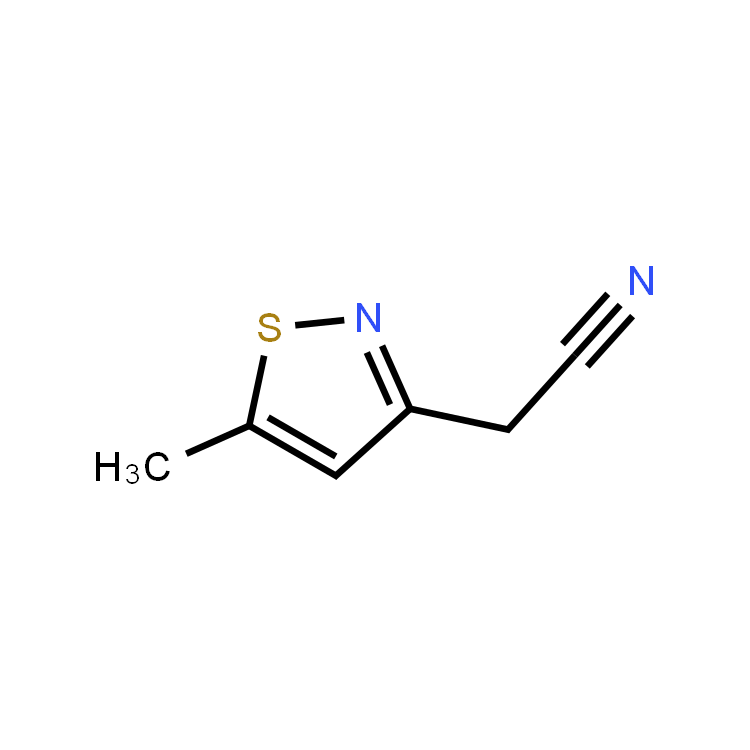
Product Description
Pharmaceutical
Raw Materials and Intermediates
AI Product Description
*The following content is generated by AI and is for reference only.
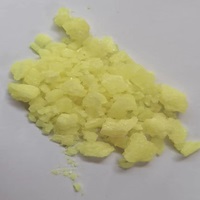
Atomoxetine hydrochloride is a non-stimulant medication primarily prescribed for the treatment of Attention Deficit Hyperactivity Disorder (ADHD) in children, adolescents, and adults. Chemically known as atomoxetine hydrochloride, its molecular formula is C17H21NO·HCl, reflecting its composition as a salt form that enhances solubility and bioavailability compared to the free base. The compound carries the CAS Registry Number 82656-53-9, serving as a unique identifier for researchers and pharmacists globally. Structurally, it belongs to the class of selective norepinephrine reuptake inhibitors (NRIs). Unlike traditional stimulant treatments such as methylphenidate or amphetamines, atomoxetine does not act on dopamine transporters significantly, which distinguishes its mechanism of action and reduces the potential for abuse or dependence.
The therapeutic efficacy of this drug stems from its ability to increase norepinephrine levels in the prefrontal cortex, a brain region critical for attention, impulse control, and executive function. By blocking the norepinephrine transporter, atomoxetine allows more neurotransmitter to remain available in the synaptic cleft, thereby improving cognitive focus and reducing hyperactive behaviors. It is often preferred for patients who have not responded well to stimulants, those with a history of substance abuse, or individuals experiencing significant anxiety alongside ADHD symptoms. Clinical administration typically involves once-daily dosing due to its long half-life, though some regimens may split the dose to minimize side effects.
Common adverse reactions include gastrointestinal disturbances like nausea, decreased appetite, fatigue, and dry mouth. More serious but rare risks involve liver injury and increased blood pressure, necessitating regular monitoring during therapy. While not a controlled substance under the US Controlled Substances Act, medical supervision remains essential. Atomoxetine hydrochloride represents a vital alternative in the management of ADHD, offering a non-addictive pathway to symptom relief and improved quality of life for millions of patients worldwide. Its development marked a significant shift in psychiatric pharmacology, providing clinicians with a versatile tool tailored to diverse patient needs.

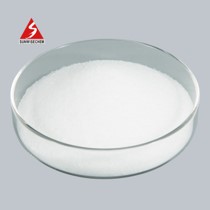




 (All Rights Reserved)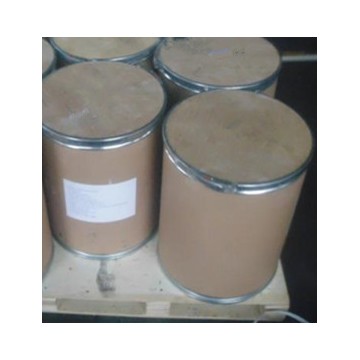
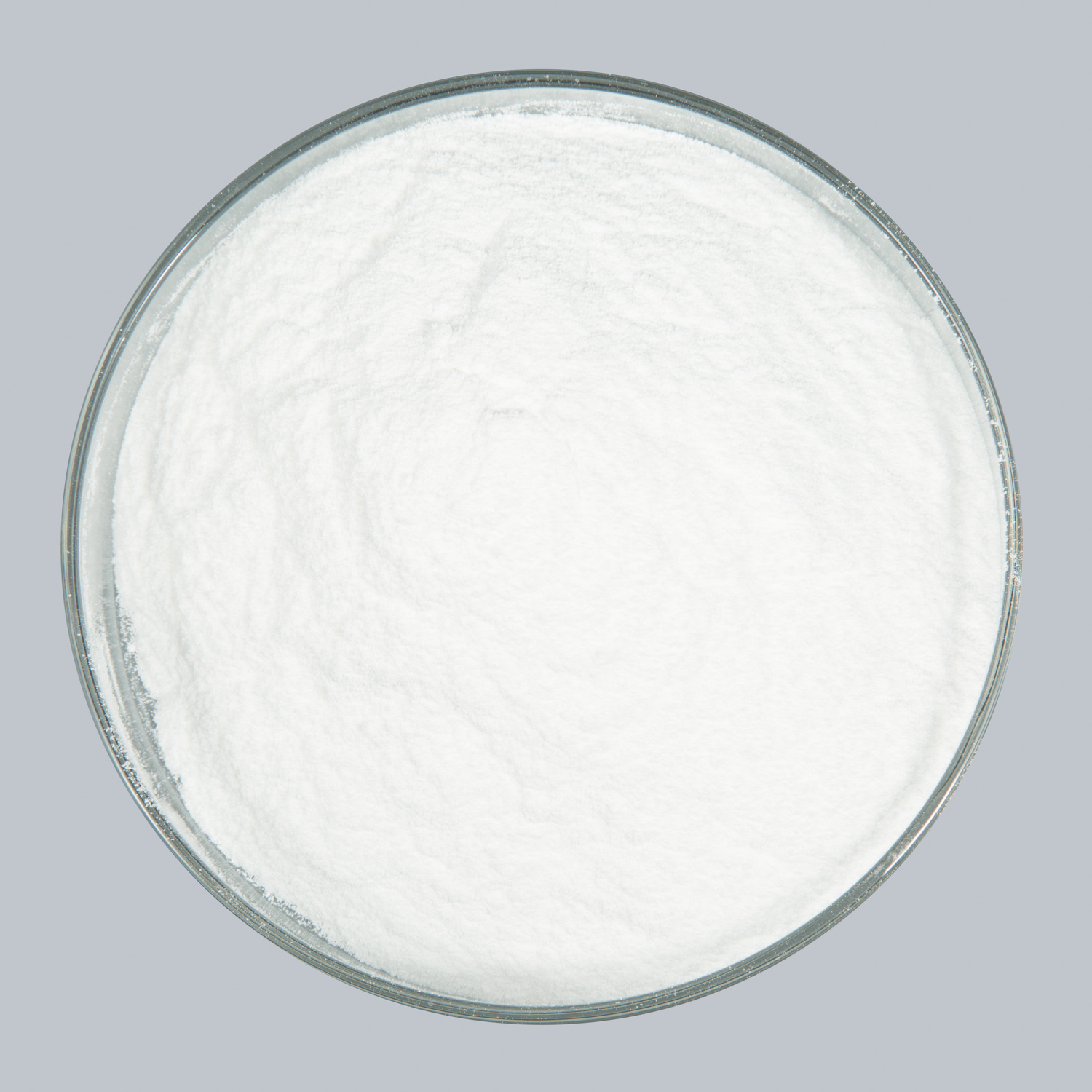
![8,16-Diazadispiro[6.1.6.2]heptadecan-17-one](https://eimg.pharmasources.com/image/product/20250403/ca91cba8b87e53fc879f8d8764873a40jpg)
![8-Oxa-1,3-diazaspiro[4.5]decane-2,4-dione](https://eimg.pharmasources.com/image/product/20250403/60fa7223d5a34f24138486ceea0ffb15jpg)
![6,8-Dioxo-5,7-diazaspiro[3.4]octane-2-carboxylic acid](https://eimg.pharmasources.com/image/product/20250403/02effeb5a7639bc84ff1f3add3c0c64fjpg)