Astaxanthin 5%/10% Oleoresin
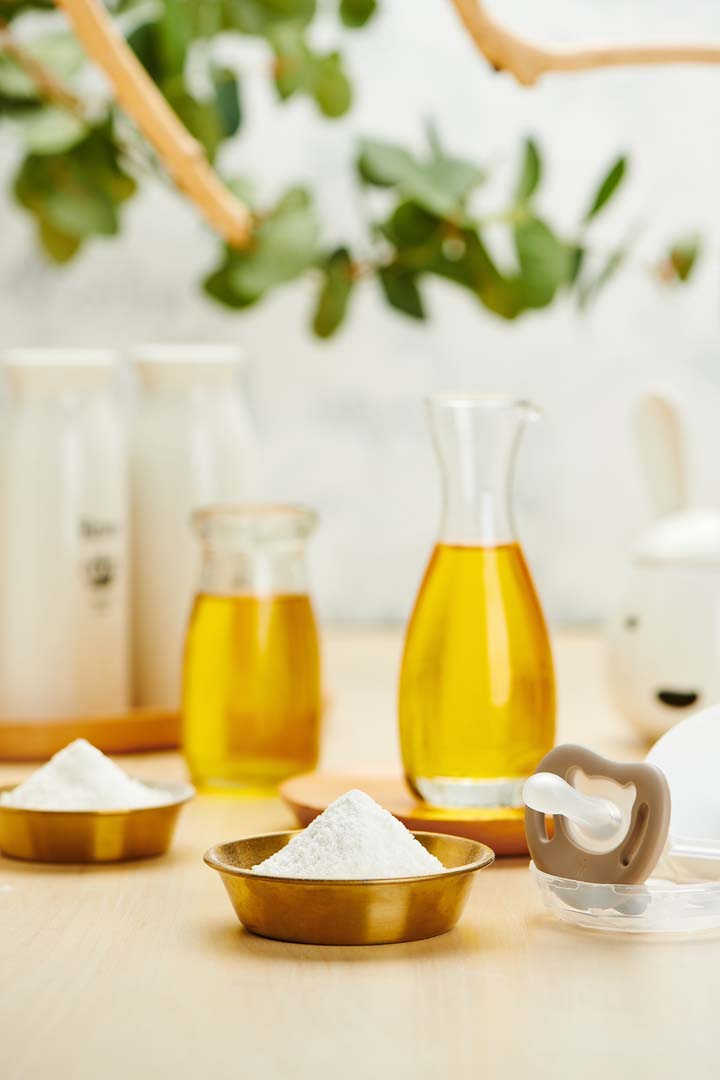
- Astaxanthin in safflower oil
Astaxanthin 5%/10% Oleoresin-S
- Supercritical CO2 technology
Astaxanthin 2.5% Beadlets-S
- Double shell. Special for tablet
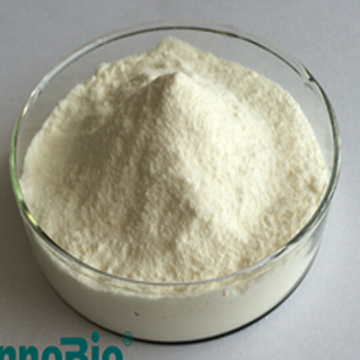
Astaxanthin 2%/2.5% CWS Powder
Astaxanthin 2%/2.5% CWS Powder-S
- Supercritical CO2 technology
*The following content is generated by AI and is for reference only.
Astaxanthin, specifically derived from the microalga *Haematococcus pluvialis*, is a potent natural carotenoid pigment renowned for its exceptional antioxidant properties. Chemically, it is distinguished as a keto-carotenoid with the molecular formula C40H52O4 and the CAS registry number 472-61-7. Unlike many other carotenoids found in common dietary sources such as tomatoes or carrots, astaxanthin possesses unique structural features, including hydroxyl and keto groups at both ends of its polyene chain. These functional groups significantly enhance its ability to neutralize free radicals and protect cell membranes from oxidative stress, making it one of the most powerful antioxidants known in nature.
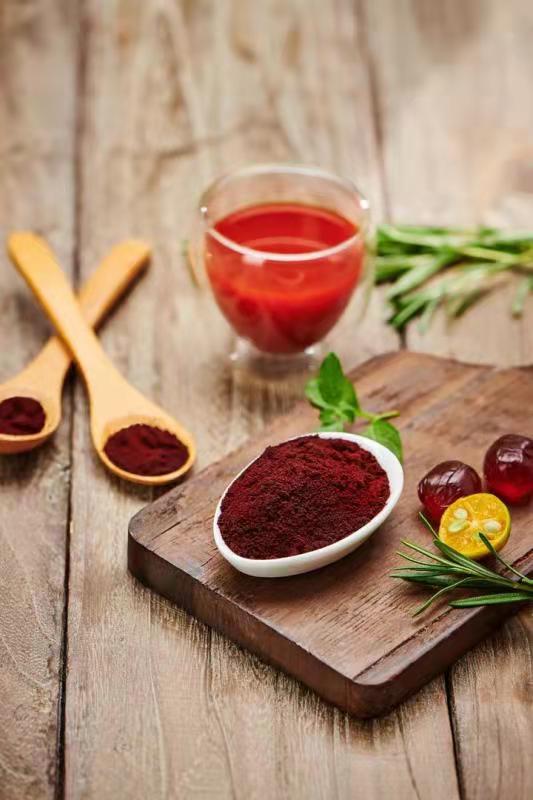
The primary commercial source of high-quality astaxanthin is the green freshwater microalgae *Haematococcus pluvialis*. Under normal growth conditions, this algae remains green; however, when subjected to environmental stressors like intense sunlight, nutrient deprivation, or salinity changes, it produces large quantities of red astaxanthin as a protective mechanism against UV radiation and oxidative damage. This natural production process ensures that the resulting product retains its biological activity without synthetic additives, distinguishing it favorably from chemically synthesized alternatives often used in aquaculture feed.
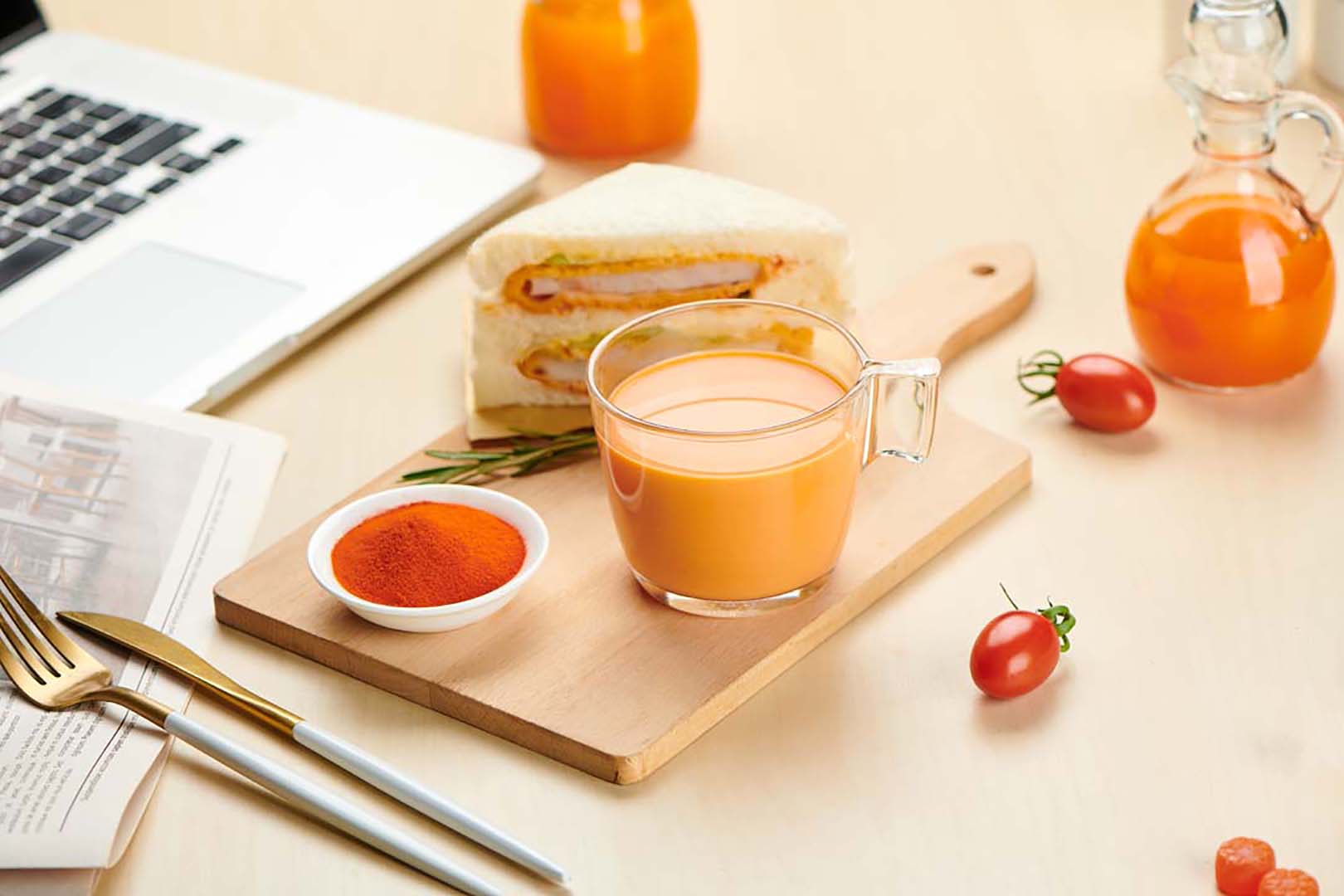
In terms of applications, astaxanthin serves diverse roles across multiple industries. In the nutritional supplement sector, it is widely marketed to support skin health by improving elasticity and hydration while protecting against UV-induced aging. It also plays a crucial role in cardiovascular health, eye care, and immune system modulation due to its anti-inflammatory capabilities. Furthermore, it is an essential additive in the aquaculture industry, where it provides the characteristic pink-red coloration to salmon, trout, and shrimp flesh, mimicking their natural diet. The global demand for *Haematococcus pluvialis*-derived astaxanthin continues to rise as consumers increasingly seek safe, natural solutions for wellness and beauty, solidifying its status as a premium functional ingredient in modern health and food technology.

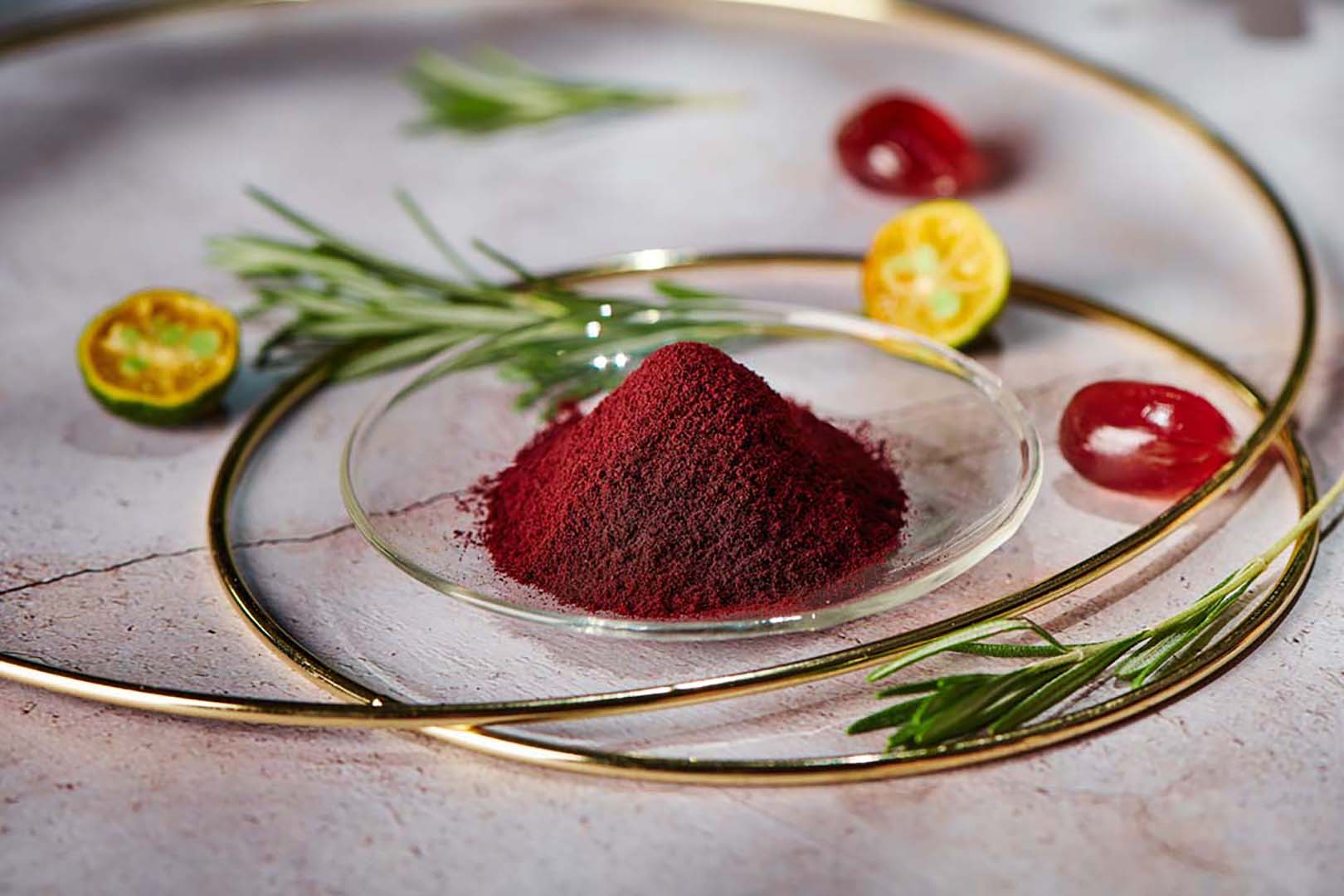




 (All Rights Reserved)