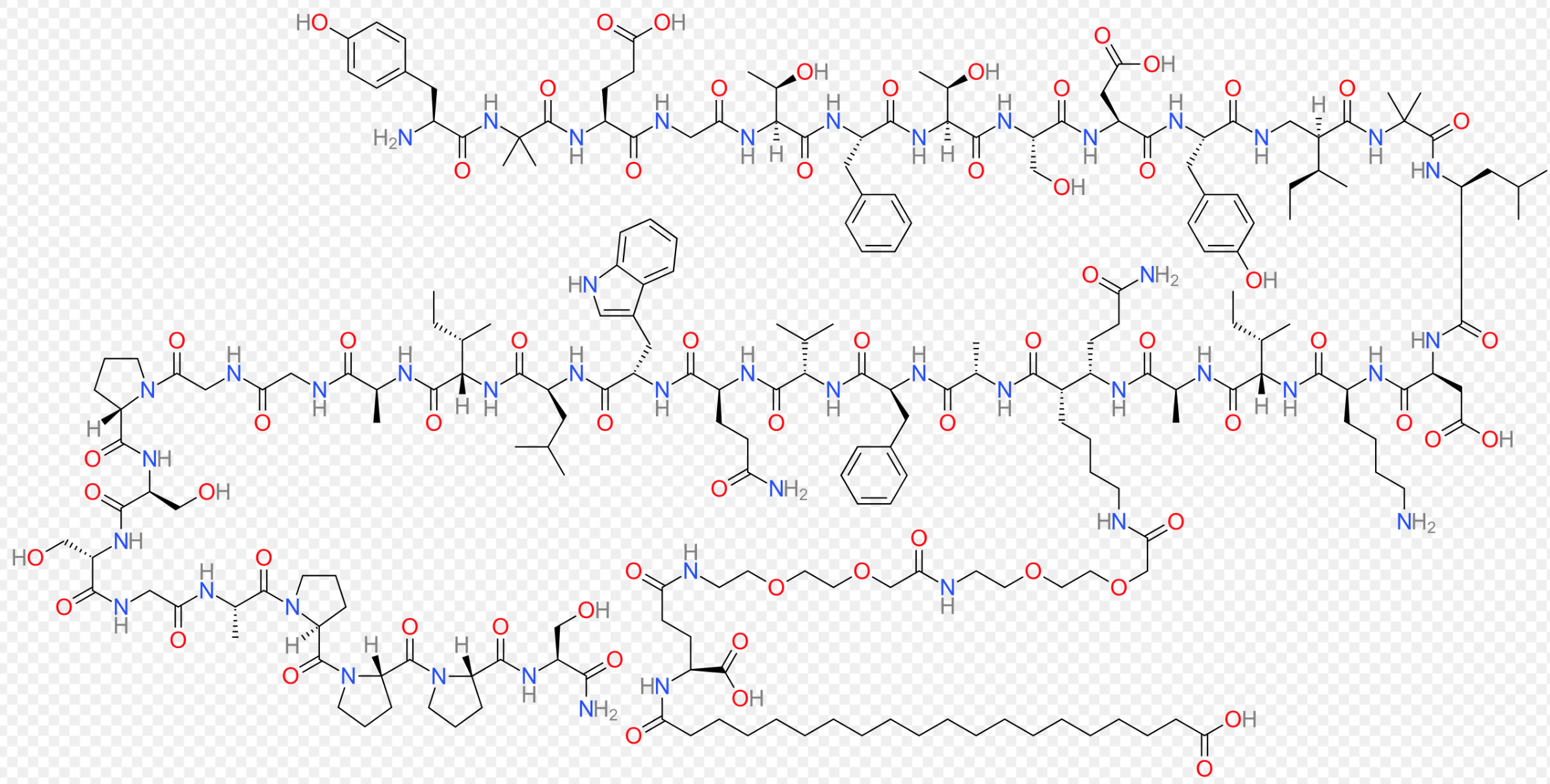
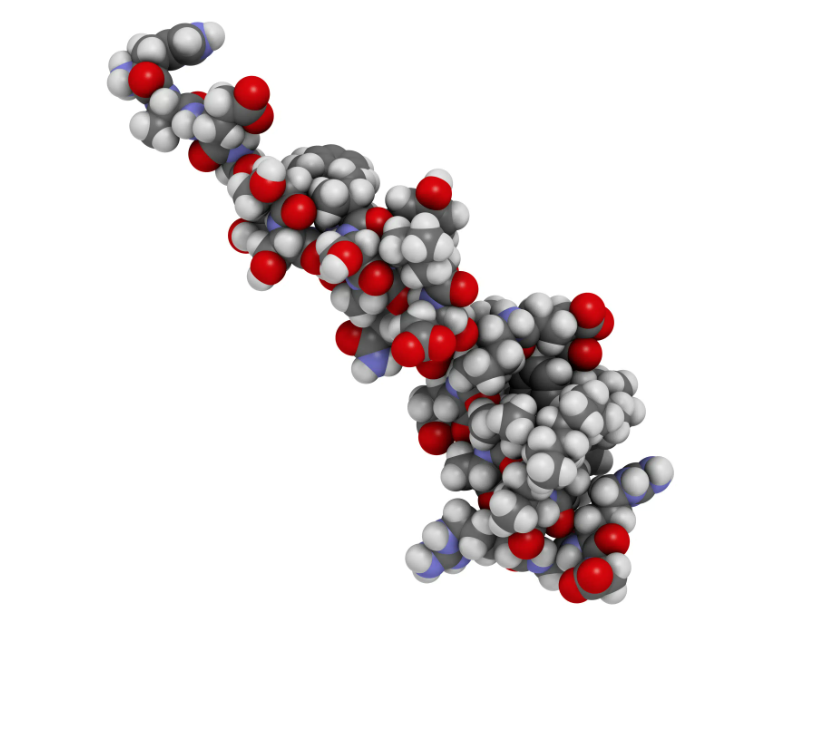
Product Description
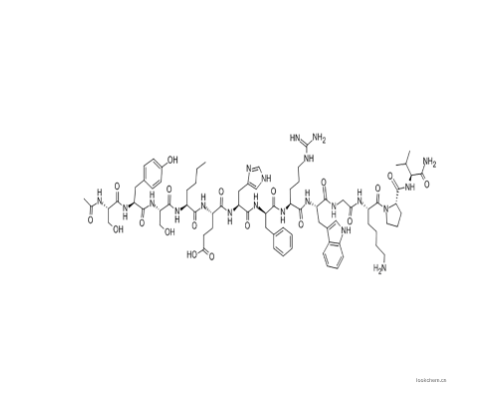
ARA290 is a peptide composed of 11 amino acids, the N-terminal of which is pyroglutamic acid. Ara290 is a kind of EPO derivative. It is a specific activator of ertriopoietin / CD131 heteroceptor. In clinical experiments, ara290 is often used in the treatment of nervous system diseases.
AI Product Description
*The following content is generated by AI and is for reference only.
ARA290, also known as Cibinetide, is a synthetic peptide derivative developed primarily for the treatment of diabetic complications, specifically focusing on neuropathy and retinopathy. Structurally, it mimics the carboxyl-terminal region of erythropoietin (EPO), a hormone well-known for its role in red blood cell production. Unlike native EPO, ARA290 lacks the glycosylation sites required for binding to the erythropoietin receptor, thereby eliminating the risk of stimulating erythropoiesis or causing polycythemia. Instead, it selectively targets the CXCR7 receptor, activating intracellular signaling pathways that promote tissue repair, reduce inflammation, and inhibit apoptosis in damaged neurons and vascular cells.
The molecular formula of ARA290 is typically represented based on its amino acid sequence, which consists of a specific chain of residues derived from human EPO. While exact molecular weights vary slightly depending on salt forms used in research, the core structure is defined by its unique peptide backbone designed for high specificity. It does not possess a standard CAS number in commercial chemical catalogs because it is primarily an investigational pharmaceutical agent rather than a bulk commodity chemical; however, it is often referenced under internal clinical trial identifiers or specific patent numbers associated with its developer, Araim Therapeutics (formerly Alnylam).
Clinically, ARA290 has shown significant promise in Phase II trials for treating painful diabetic peripheral neuropathy and preventing vision loss in diabetic patients. Its mechanism involves enhancing neurotrophic factors and improving microvascular function without the hematologic side effects associated with traditional EPO therapies. By modulating oxidative stress and reducing pro-inflammatory cytokines, the drug supports the regeneration of nerve fibers and preserves retinal integrity. Although regulatory approval processes have faced delays due to complex trial outcomes and corporate restructuring, ARA290 remains a pivotal candidate in the field of regenerative medicine for metabolic disorders. Ongoing research continues to explore its potential applications in other ischemic conditions and chronic inflammatory diseases where tissue protection and repair are critical therapeutic goals.





 (All Rights Reserved)