Product Description
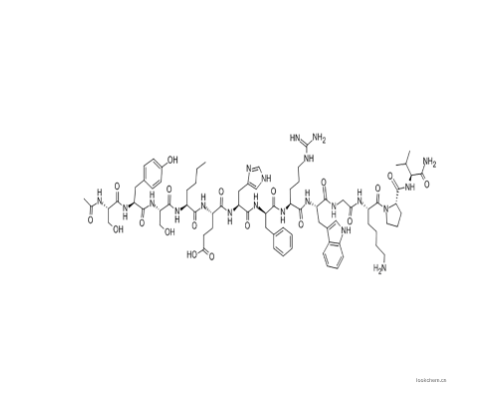
Apelin is a peptide composed of 77 amino acids, and its receptor is angiotensin-like G protein coupled receptor (APJ). The Apelin/APJ system is widely distributed in both the periphery and the center; Apelin-13 is one of the Apelin subtypes and has strong biological activity. This article reviews the new progress of Apelin-13 in the regulation of physiological and pathological processes such as cardiovascular system, respiratory system, nervous system, digestive system and endocrine system.
AI Product Description
*The following content is generated by AI and is for reference only.
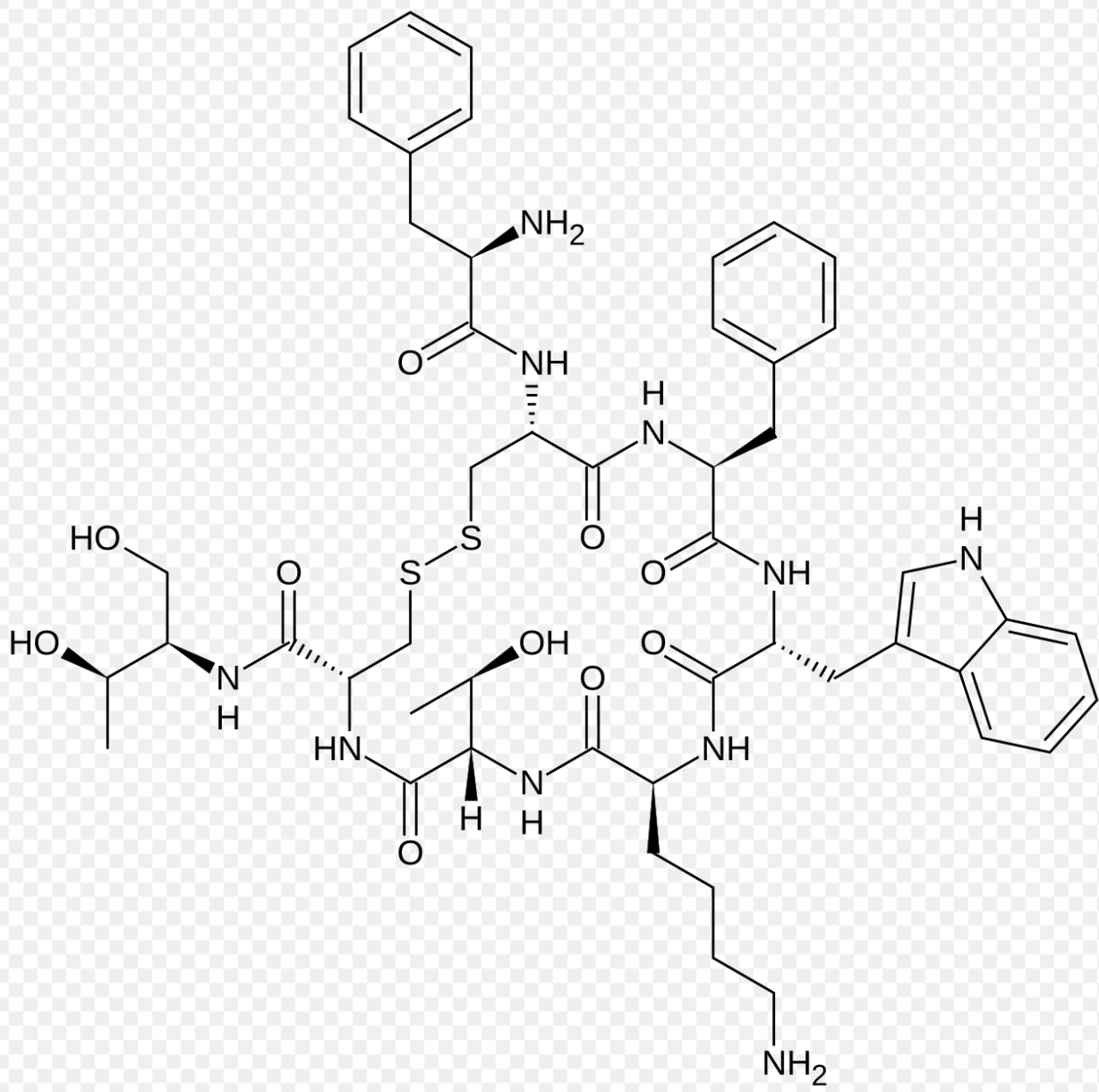
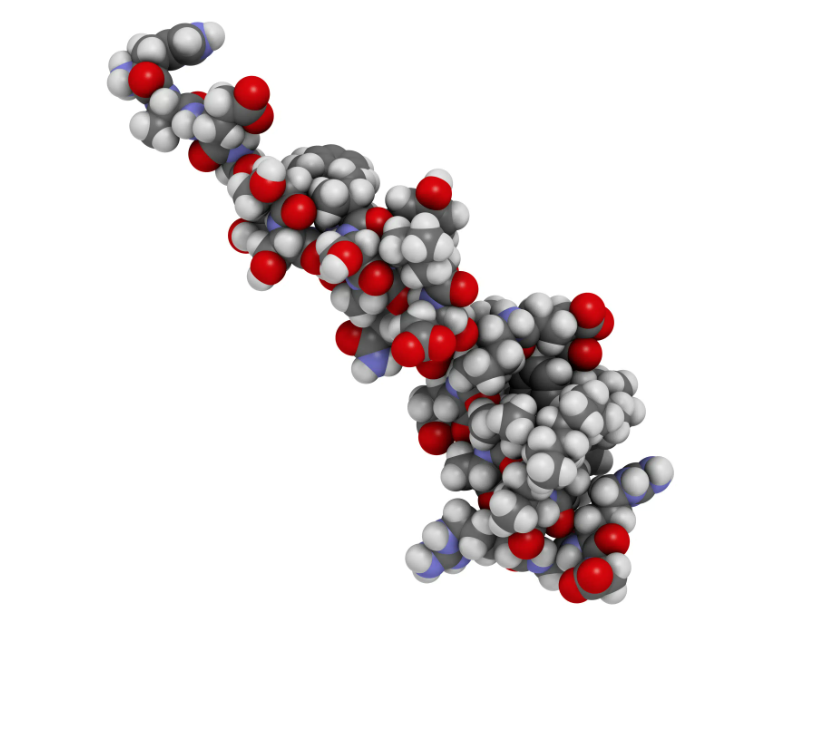
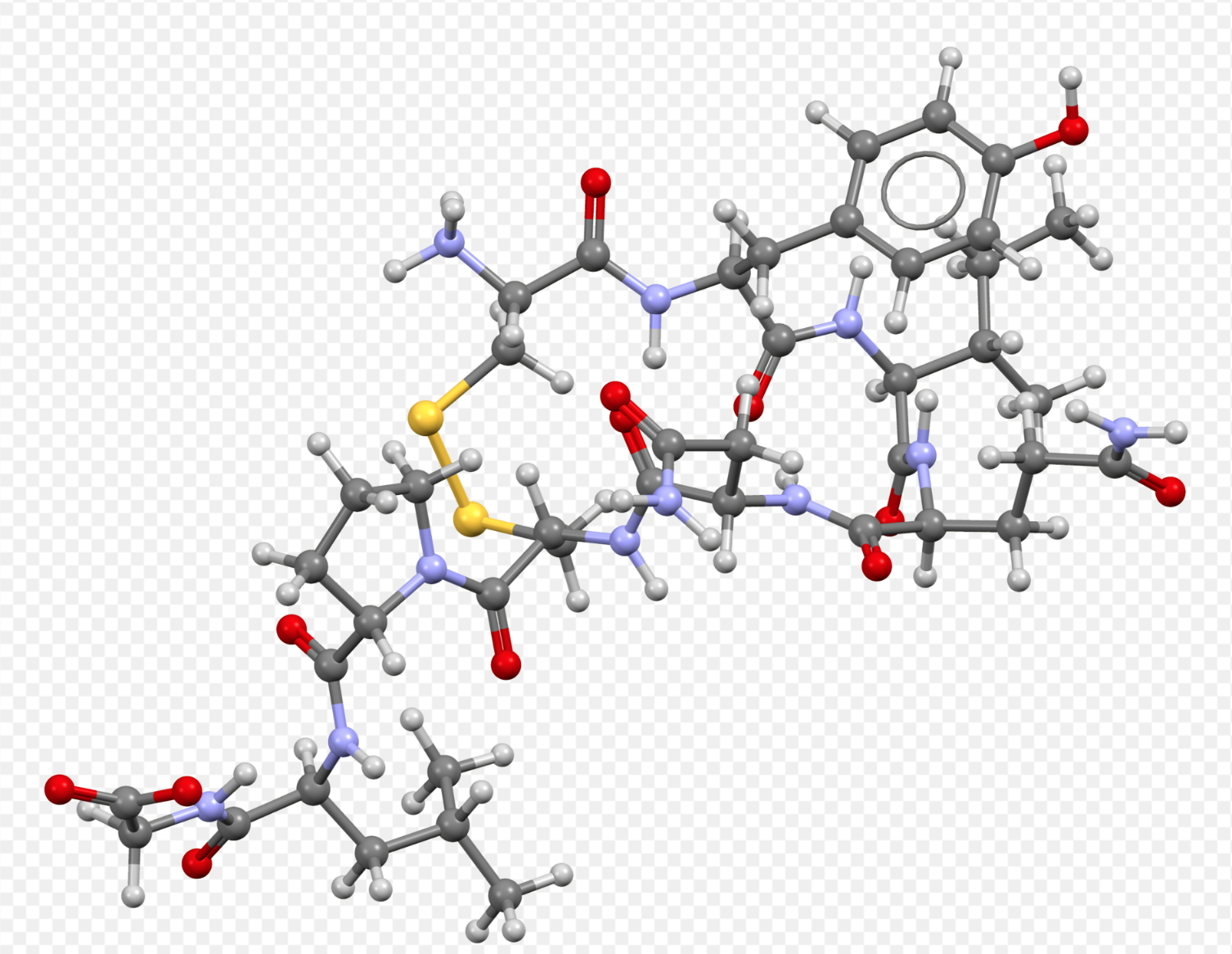
Apelin-13 is a potent endogenous bioactive peptide belonging to the apelin family, serving as a critical ligand for the G-protein coupled receptor APJ. This specific isoform consists of 13 amino acid residues and has been identified across various mammalian species, including human, bovine, mouse, and rat, demonstrating significant evolutionary conservation. The molecular formula for Apelin-13 is C67H108N20O15S2, with a calculated molecular weight of approximately 1492.7 g/mol. While specific commercial suppliers may assign distinct catalog numbers, the CAS registry number associated with the synthetic human Apelin-13 sequence is typically 168686-58-6, though variations can occur based on salt forms or purification methods.
The primary biological function of Apelin-13 involves its role in regulating cardiovascular homeostasis and fluid balance. It acts as a powerful vasodilator by stimulating nitric oxide production in endothelial cells, thereby lowering blood pressure. Furthermore, this peptide exhibits positive inotropic effects, enhancing cardiac contractility, which makes it a subject of intense interest in treating heart failure. Beyond cardiovascular regulation, Apelin-13 plays a pivotal role in angiogenesis, promoting the formation of new blood vessels, and influences glucose metabolism and insulin sensitivity. Its involvement in the central nervous system also suggests potential therapeutic applications for appetite control and energy expenditure. In research settings, recombinant Apelin-13 is widely utilized as a pharmacological tool to investigate APJ receptor signaling pathways, explore mechanisms of hypertension, and develop novel treatments for metabolic disorders and vascular diseases. Due to its high specificity and efficacy in preclinical models involving mice, rats, and other mammals, it remains an indispensable reagent for understanding the complex interplay between the renin-angiotensin system and cardiovascular physiology. Researchers rely on high-purity Apelin-13 to validate drug targets and assess the physiological impact of modulating this specific peptide pathway in diverse biological contexts.





 (All Rights Reserved)