Product Description
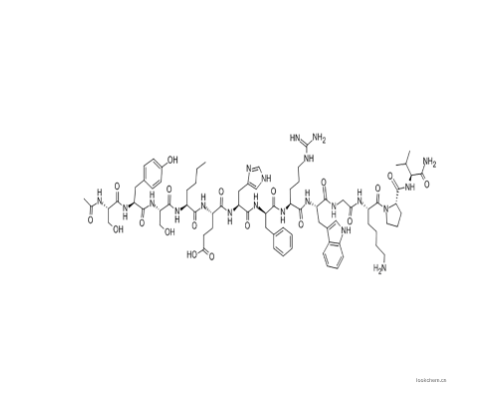
Antioxidant peptide A is a short peptide with very sulfhydryl group, which is composed of 6 amino acids. In vivo, when Antioxidant peptide A acts on cancer cells, the side chains in the sequence help to enhance free radical scavenging activity. In addition, antioxidant peptide A can participate in reducing oxygen free radicals by increasing the activity of antioxidant enzymes, and antioxidant peptide A as an antioxidant peptide enters the body without toxic side effects.
AI Product Description
*The following content is generated by AI and is for reference only.
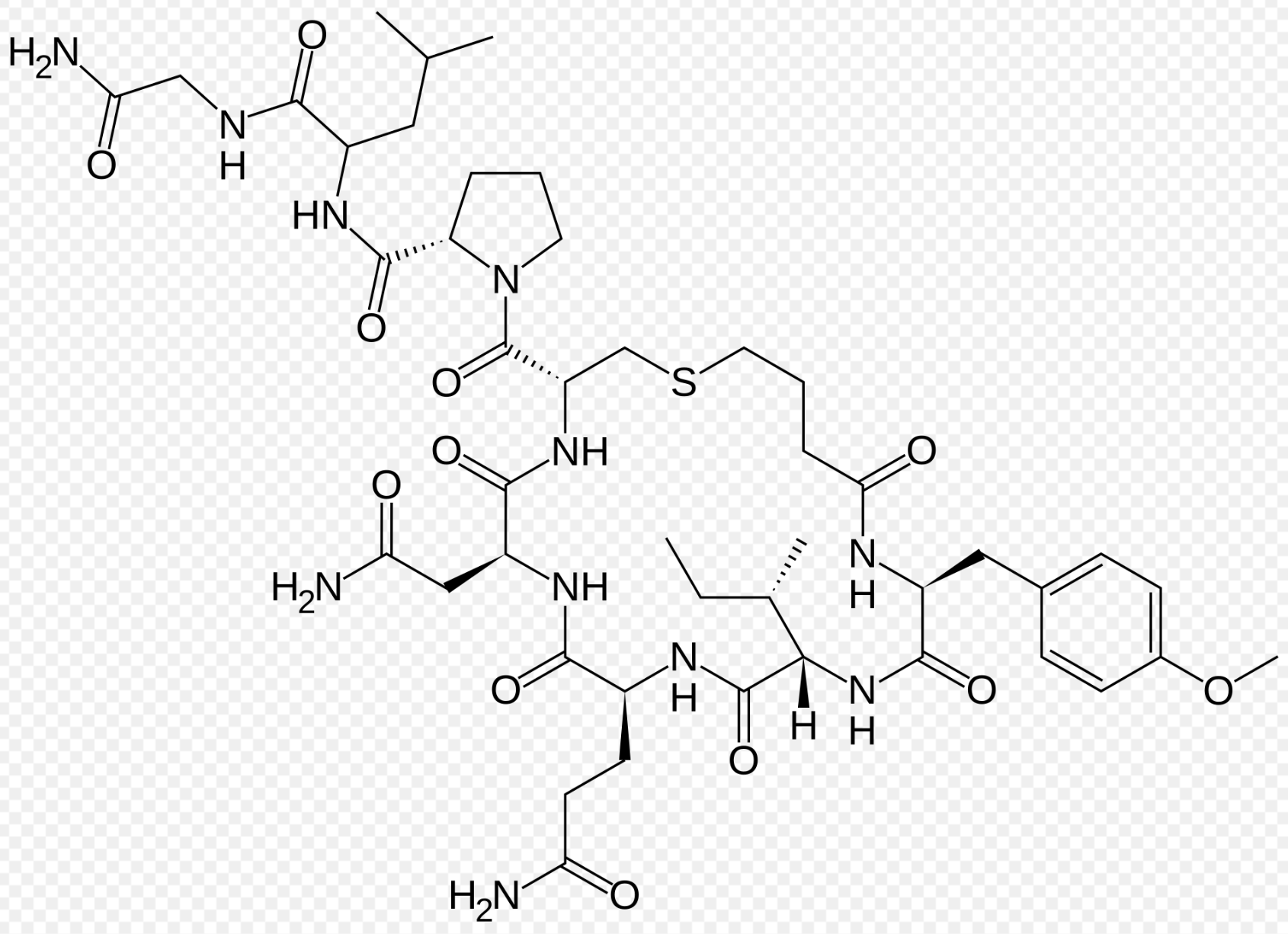
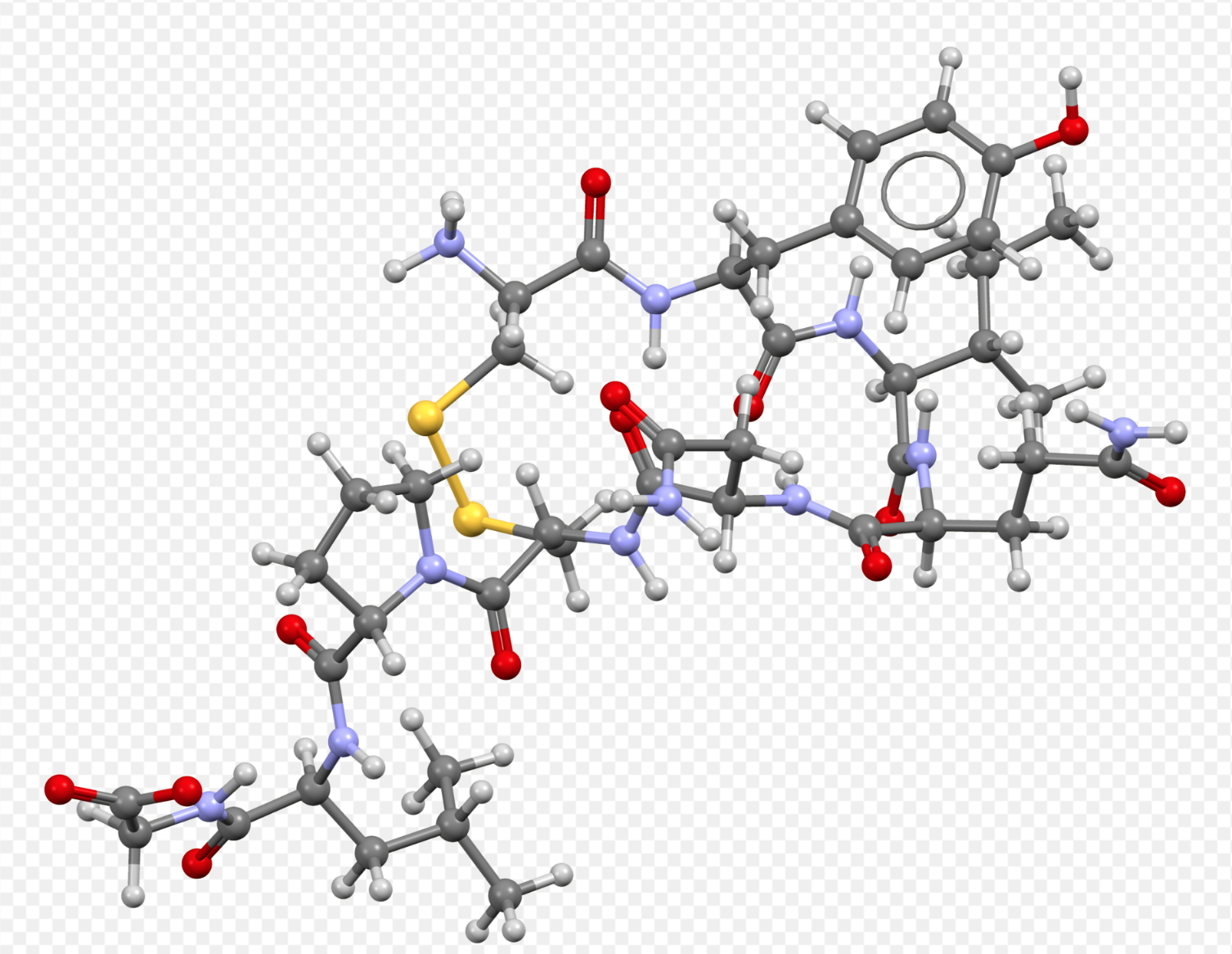
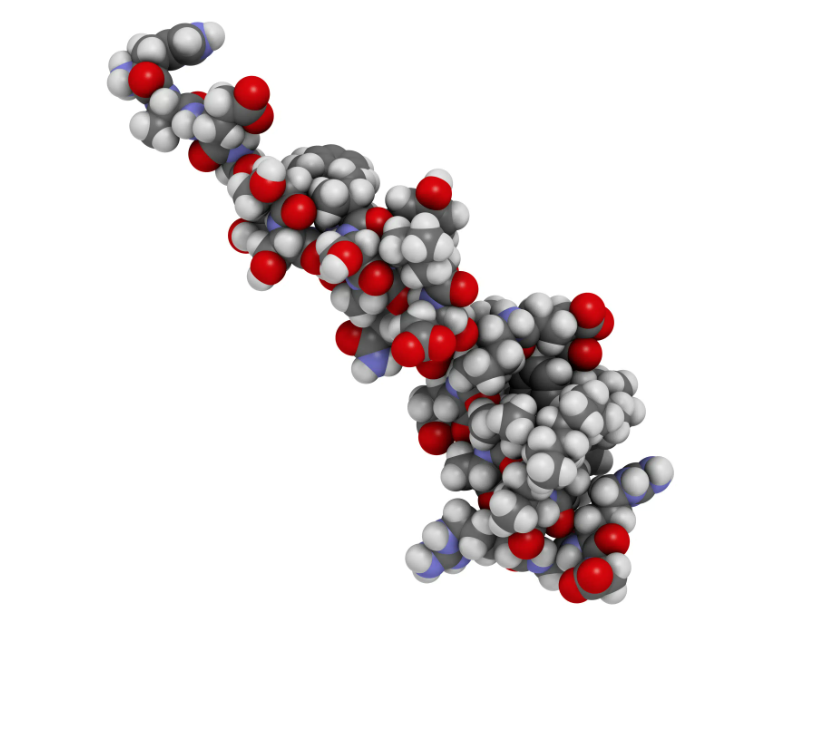
Antioxidant peptide A, chemically defined as H-Pro-His-Cys-Lys-Arg-Met-OH, is a bioactive hexapeptide renowned for its potent free radical scavenging capabilities. This specific sequence, composed of Proline, Histidine, Cysteine, Lysine, Arginine, and Methionine in a linear arrangement with terminal amine and carboxyl groups, exhibits exceptional stability and biological activity. While a specific CAS number may vary depending on the purity grade or commercial batch, this peptide is generally recognized in scientific literature for its role in mitigating oxidative stress within biological systems. The presence of sulfur-containing amino acids like Cysteine and Methionine, alongside the imidazole ring of Histidine, contributes significantly to its electron-donating capacity, allowing it to neutralize reactive oxygen species effectively.
In the pharmaceutical and nutraceutical sectors, Antioxidant peptide A serves as a critical functional ingredient designed to protect cellular structures from damage caused by environmental toxins, radiation, and metabolic byproducts. Its applications extend into the development of anti-aging formulations, where it helps preserve skin elasticity and reduce signs of photo-aging by preventing lipid peroxidation. Furthermore, research indicates its potential utility in neuroprotection, offering a therapeutic avenue for conditions associated with chronic oxidative inflammation. In food science, it acts as a natural preservative, enhancing shelf life by inhibiting oxidation-induced rancidity in lipids without altering flavor profiles.
The synthesis of this peptide typically employs solid-phase peptide synthesis (SPPS) to ensure high purity and correct stereochemistry. Due to its amphipathic nature, it demonstrates good solubility in aqueous buffers, facilitating its incorporation into various delivery systems such as injectables, topical gels, or oral supplements. As a targeted antioxidant, it offers a more specific mechanism compared to broad-spectrum chemical antioxidants, potentially reducing off-target effects. Ongoing studies continue to explore its efficacy in combination therapies for cardiovascular health and metabolic disorders. Consequently, Antioxidant peptide A represents a versatile molecule bridging fundamental biochemical research with practical industrial applications, promising significant advancements in health maintenance and disease prevention strategies globally.





 (All Rights Reserved)