Product Description
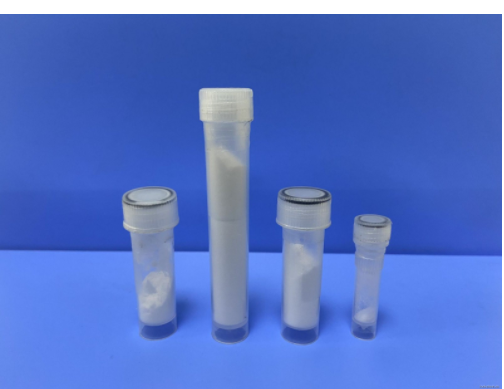
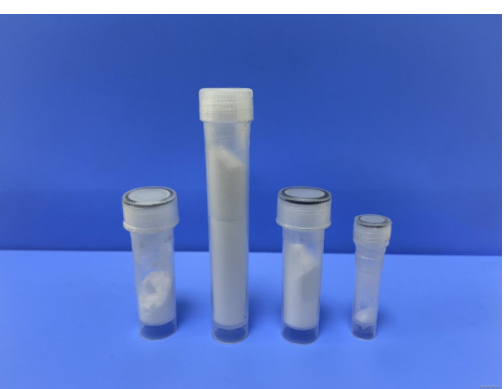
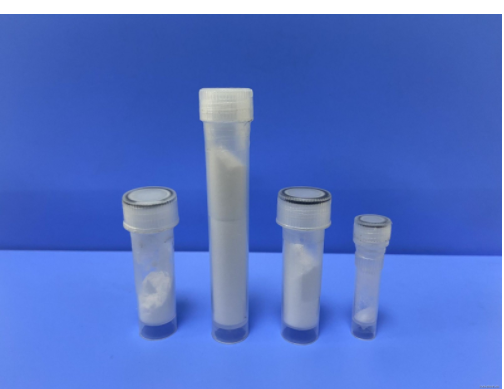
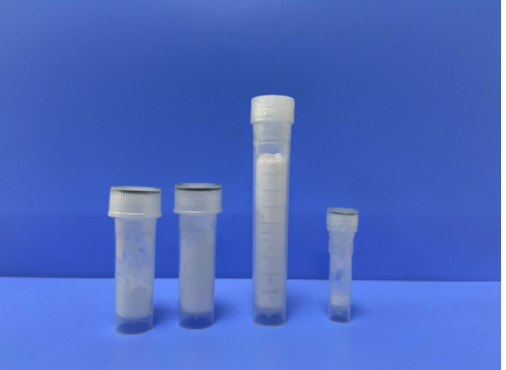
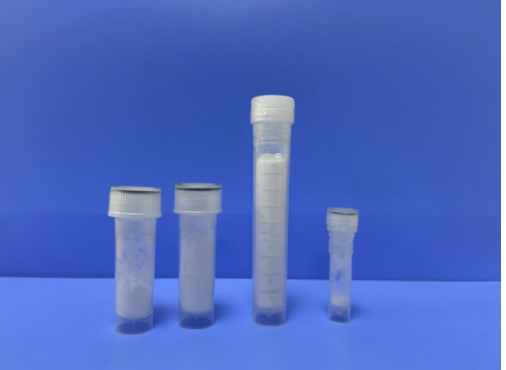
Appearance: White powder packaging and shipping: low temperature, vacuum packaging, according to the requirement to mg.
Storage: - 20 ℃ under freeze dry, avoid light preservation remark: used only for research, not for human body
AI Product Description
*The following content is generated by AI and is for reference only.
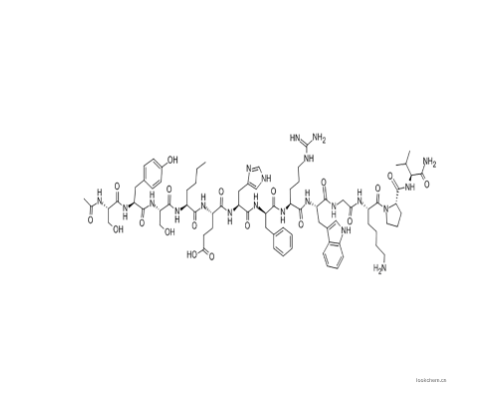
LL-37 is the sole human cathelicidin antimicrobial peptide, a cationic host defense molecule crucial for innate immunity. It functions as a broad-spectrum antimicrobial agent, effectively neutralizing bacteria, fungi, and enveloped viruses by disrupting their cellular membranes. The peptide is derived from the precursor protein hCAP18 through proteolytic cleavage at the C-terminus. Its molecular formula is typically represented based on its amino acid sequence of 37 residues, often cited in research contexts with a specific mass rather than a simple small-molecule chemical formula due to its polypeptide nature. Consequently, it does not possess a traditional CAS number like synthetic small molecules; instead, it is identified by its UniProt accession number P0DNU9 or described via its specific sequence (Gly-Gln-Asn-Leu-Ser-Phe-Glu-Arg-Lys-Ile-Pro-Val-Lys-Gly-Lys-Arg-Val-Arg-Lys-Glu-Glu-Lys-Lys-Arg-Lys-Gln-Lys-Lys-Gln-Lys-Arg-Lys-Lys-Gln).
The primary utility of LL-37 lies in its dual role as an immune effector and a signaling molecule. Beyond direct microbial killing, it plays a significant part in wound healing, angiogenesis, and tissue regeneration by recruiting immune cells such as neutrophils and monocytes to sites of infection or injury. Furthermore, it exhibits chemotactic properties, guiding leukocytes toward inflammatory foci. In biomedical research and therapeutic development, LL-37 serves as a template for designing novel antimicrobial peptides (AMPs) to combat multidrug-resistant pathogens, addressing the global crisis of antibiotic resistance. Synthetic versions of LL-37 are utilized in vitro studies to understand host-pathogen interactions, evaluate potential drug candidates, and explore applications in topical treatments for skin infections, chronic wounds, and periodontal diseases. Despite its therapeutic potential, challenges regarding stability against proteolysis and rapid clearance in vivo remain active areas of investigation. Researchers employ various modifications, such as cyclization or D-amino acid substitution, to enhance its half-life and efficacy without compromising its biological activity. As a fundamental component of the human immune system, LL-37 continues to be a focal point for developing next-generation antimicrobial strategies that leverage natural defense mechanisms against evolving infectious threats.






 (All Rights Reserved)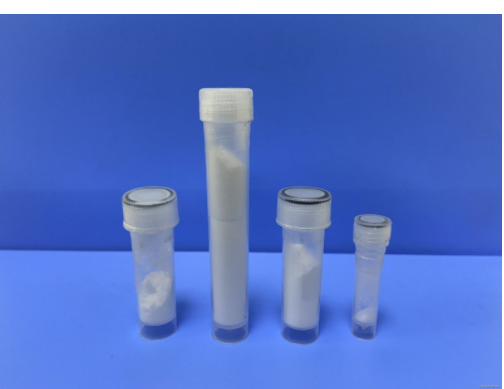

![8,16-Diazadispiro[6.1.6.2]heptadecan-17-one](https://eimg.pharmasources.com/image/product/20250403/ca91cba8b87e53fc879f8d8764873a40jpg)
![6,8-Dioxo-5,7-diazaspiro[3.4]octane-2-carboxylic acid](https://eimg.pharmasources.com/image/product/20250403/02effeb5a7639bc84ff1f3add3c0c64fjpg)
![8-Oxa-1,3-diazaspiro[4.5]decane-2,4-dione](https://eimg.pharmasources.com/image/product/20250403/60fa7223d5a34f24138486ceea0ffb15jpg)