Product Description
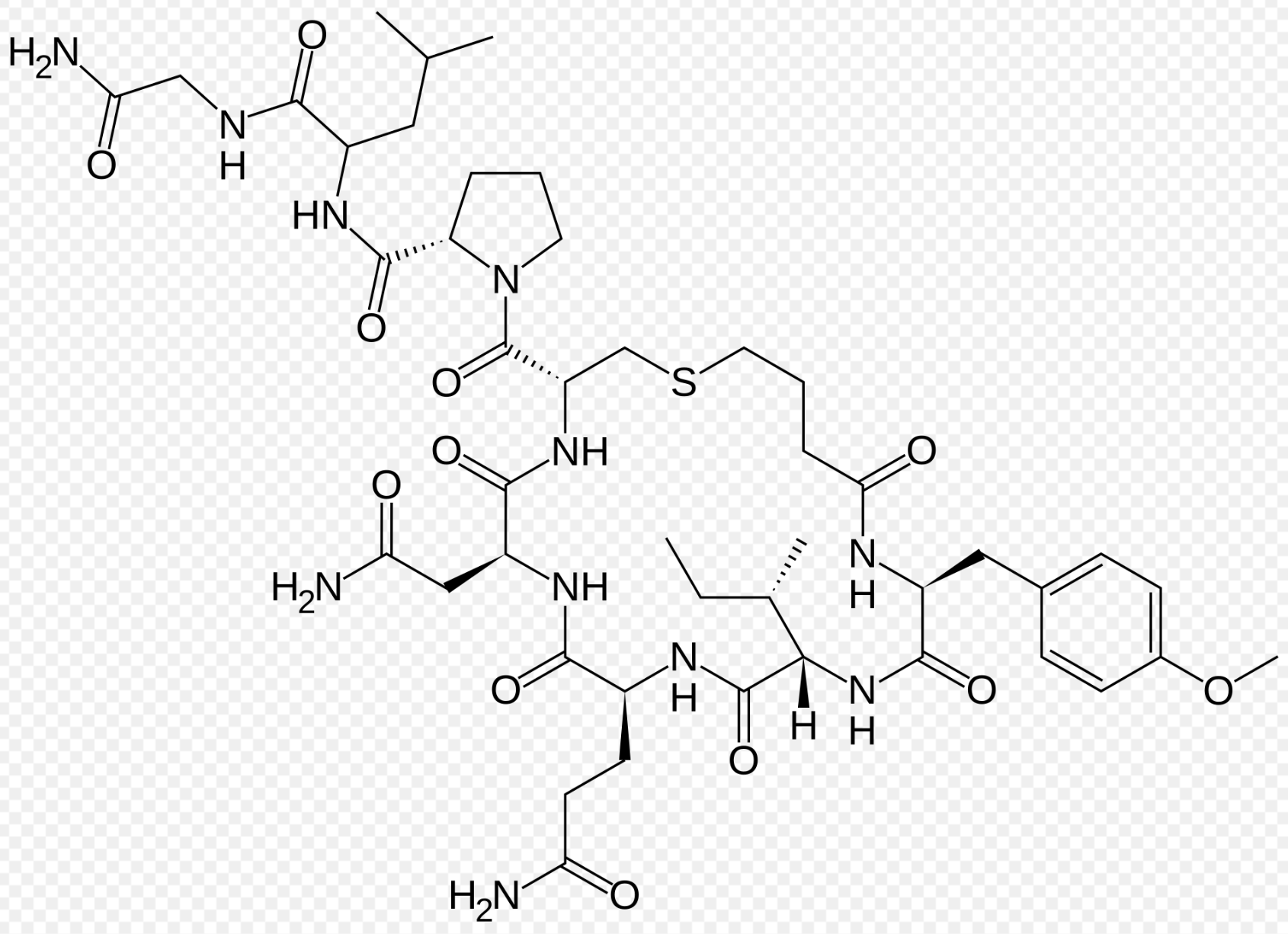
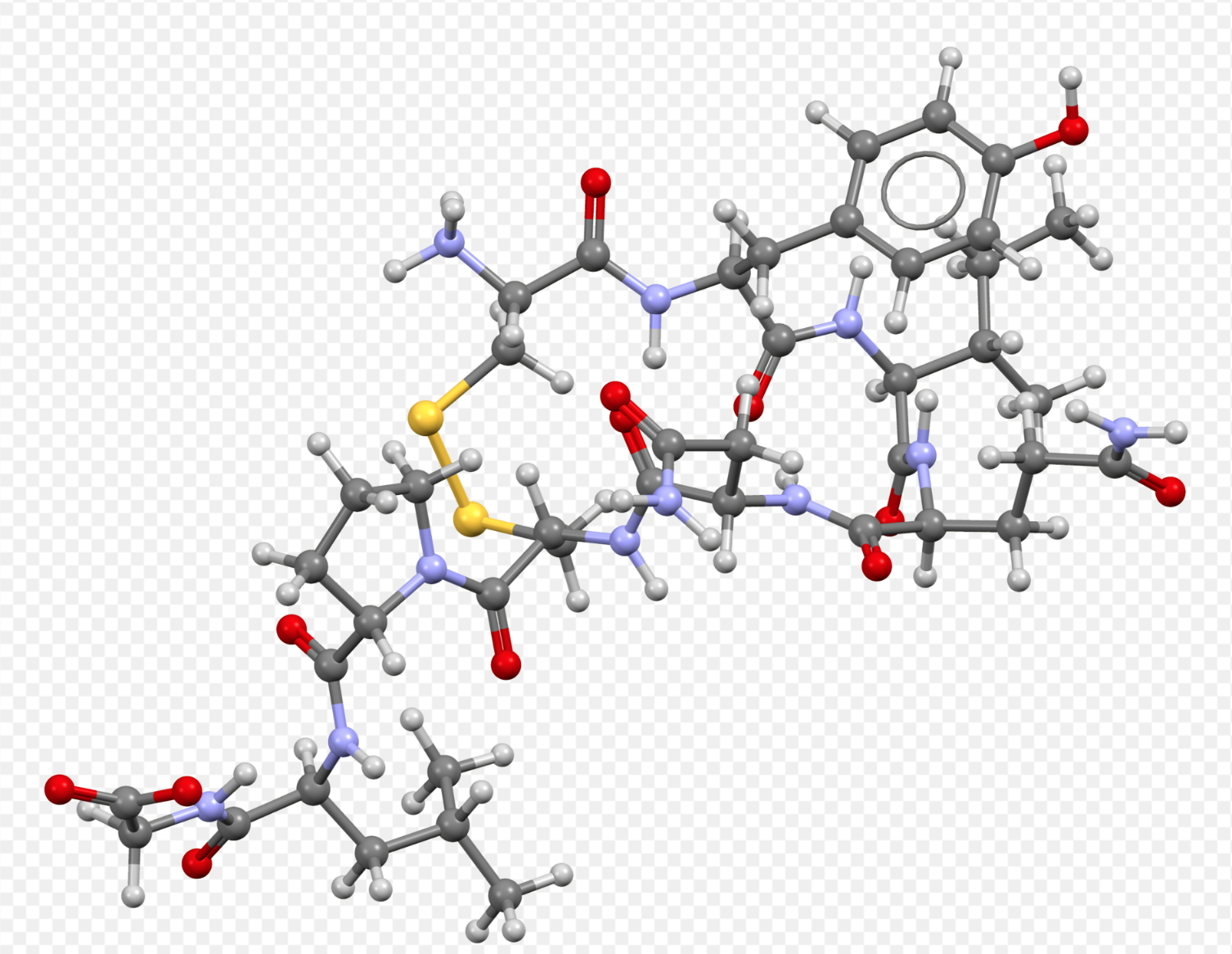
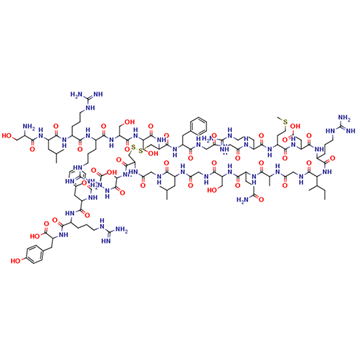
Carperitide is a circulating hormone peptide composed of 28 amino acids, which can play a role in vasodilation and diuresis in clinical manifestations.At the same time, Carperitide is synthesized by intracardiac granules by stimulating myocardial extension, and then distributed throughout the body through coronary arteries, acting on vascular smooth muscle and kidney and other tissues, regulating blood pressure and electrolyte balance in vivo.
AI Product Description
*The following content is generated by AI and is for reference only.
ANP(1-28), human, also known as Human Atrial Natriuretic Peptide (1-28), is a biologically active peptide hormone derived from the precursor pro-atrial natriuretic factor. This specific fragment represents the mature, bioactive form of ANP, consisting of 28 amino acid residues with a critical intramolecular disulfide bond between cysteine residues at positions 10 and 26, which stabilizes its cyclic structure essential for receptor binding. The molecular formula of this peptide is C134H209N37O35S2, reflecting its complex polypeptide composition. While it does not possess a traditional small-molecule CAS number in standard commercial databases due to its nature as a synthetic peptide, it is often cataloged under specific product identifiers used by major biochemical suppliers like Sigma-Aldrich or Bachem for research-grade materials.
The primary physiological function of ANP(1-28) involves the regulation of fluid balance, blood pressure, and electrolyte homeostasis. Secreted primarily by cardiac atrial myocytes in response to atrial stretching caused by increased blood volume, this peptide acts as a potent vasodilator. It exerts its effects by binding to specific guanylyl cyclase-coupled receptors, designated NPR-A, on vascular smooth muscle cells, renal tubules, and adipocytes. Upon activation, these receptors catalyze the conversion of GTP to cyclic GMP (cGMP), triggering downstream signaling cascades that lead to relaxation of vascular smooth muscle, thereby reducing systemic vascular resistance and lowering blood pressure. Furthermore, ANP promotes natriuresis and diuresis by inhibiting sodium reabsorption in the collecting ducts of the kidney and suppressing the release of aldosterone and antidiuretic hormone.
In the realm of biomedical research, recombinant or synthetic ANP(1-28) serves as an invaluable tool for investigating cardiovascular pathophysiology, heart failure mechanisms, and renal physiology. Scientists utilize this peptide to study signal transduction pathways involving cGMP, explore therapeutic potential for hypertension and edema, and develop novel drug candidates targeting the natriuretic peptide system. Its high specificity and potency make it a standard reference compound in both in vitro assays and in vivo animal models, facilitating a deeper understanding of how the heart communicates with the kidneys and vasculature to maintain hemodynamic stability.





 (All Rights Reserved)