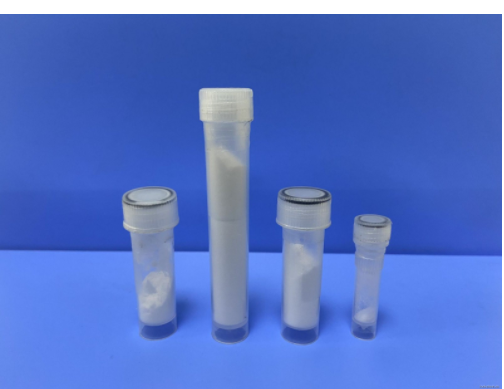
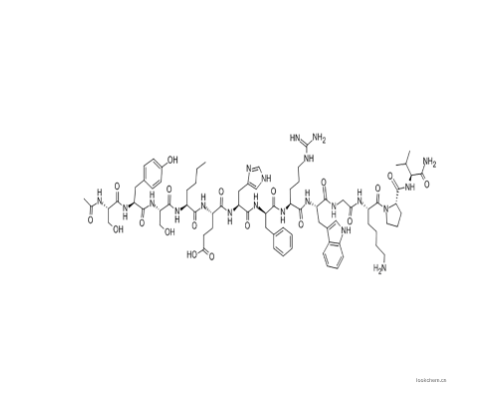
Name: acetic acid Angiotensin II and Angiotensin Acetate II nickname: Angiotensin amide;
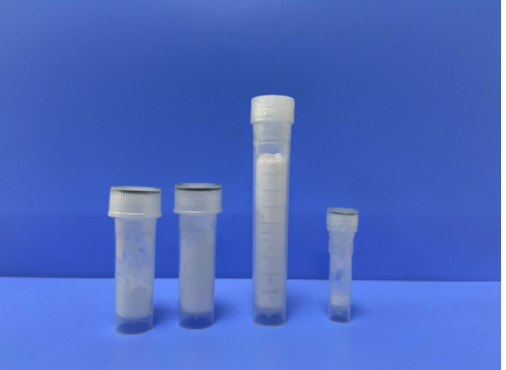
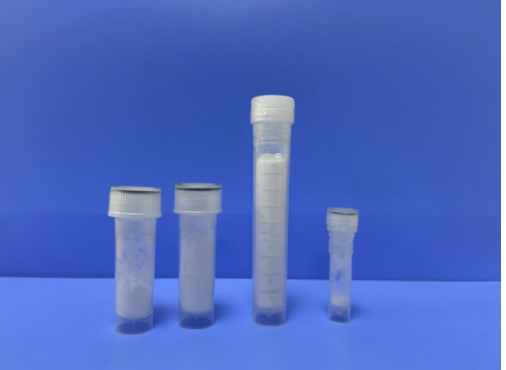
Increased blood pressure, Cas: 4474-91-3 sequence: H - Asp - Arg - Val - Tyr - Ile - His - Pro - Phe - OH, purity > 98% molecular formula: C50H71N13O12 molecular weight: 1046.2 packing: 1 g, 5 grams, 10 grams, 50 grams, 100 grams
*The following content is generated by AI and is for reference only.
Angiotensin II, 5-L-isoleucine is a specific stereoisomer of the potent octapeptide hormone Angiotensin II, characterized by the substitution of isoleucine at the fifth amino acid position. This molecule plays a critical role in the renin-angiotensin system (RAS), which regulates blood pressure and fluid balance. The standard sequence of Angiotensin II typically features valine at position 5; however, the 5-L-isoleucine variant represents a distinct conformational analog often utilized in advanced pharmacological research to study receptor binding specificity and metabolic stability.
The molecular formula for this compound generally aligns with C50H72N14O13S2, reflecting its complex peptide structure composed of eight amino acids linked by peptide bonds, including cysteine residues that may form disulfide bridges depending on the specific synthesis method. While exact chemical identifiers can vary slightly based on salt forms or purification states, the core structure remains defined by its unique amino acid sequence. The CAS number associated with this specific isomer is typically distinct from the native human Angiotensin II, serving as a crucial reference for laboratory cataloging and regulatory compliance.
Primary applications of Angiotensin II, 5-L-isoleucine are confined strictly to scientific research environments. It is extensively employed in biochemical assays to investigate the affinity of angiotensin receptors (AT1 and AT2) for non-native ligands. Researchers utilize this analog to understand how subtle changes in side-chain stereochemistry affect signal transduction pathways related to vasoconstriction, aldosterone secretion, and cardiac remodeling. Furthermore, it aids in developing novel therapeutic agents targeting hypertension and heart failure by elucidating structure-activity relationships.
It is important to note that this substance is not intended for clinical use, dietary supplementation, or any human application outside of controlled laboratory settings. Handling requires adherence to strict safety protocols due to its biological potency. Suppliers provide this reagent primarily for in vitro experiments, ensuring high purity to minimize experimental variables. As the field of peptidomimetics advances, such specialized variants contribute significantly to our understanding of cardiovascular physiology and the design of more selective drug candidates.





 (All Rights Reserved)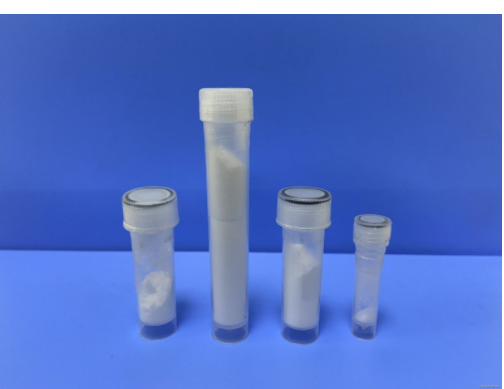

![8,16-Diazadispiro[6.1.6.2]heptadecan-17-one](https://eimg.pharmasources.com/image/product/20250403/ca91cba8b87e53fc879f8d8764873a40jpg)
![6,8-Dioxo-5,7-diazaspiro[3.4]octane-2-carboxylic acid](https://eimg.pharmasources.com/image/product/20250403/02effeb5a7639bc84ff1f3add3c0c64fjpg)
![8-Oxa-1,3-diazaspiro[4.5]decane-2,4-dione](https://eimg.pharmasources.com/image/product/20250403/60fa7223d5a34f24138486ceea0ffb15jpg)