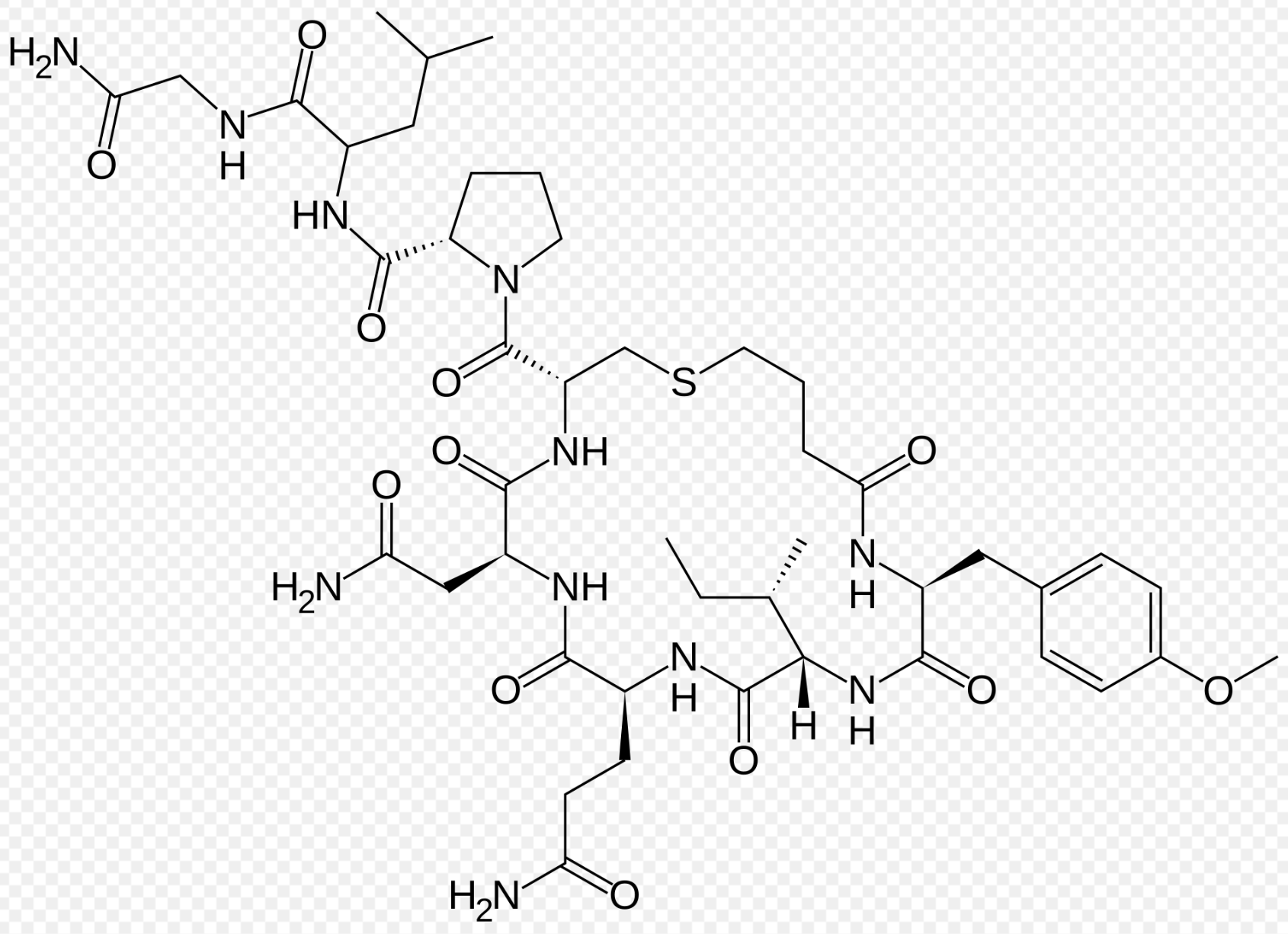
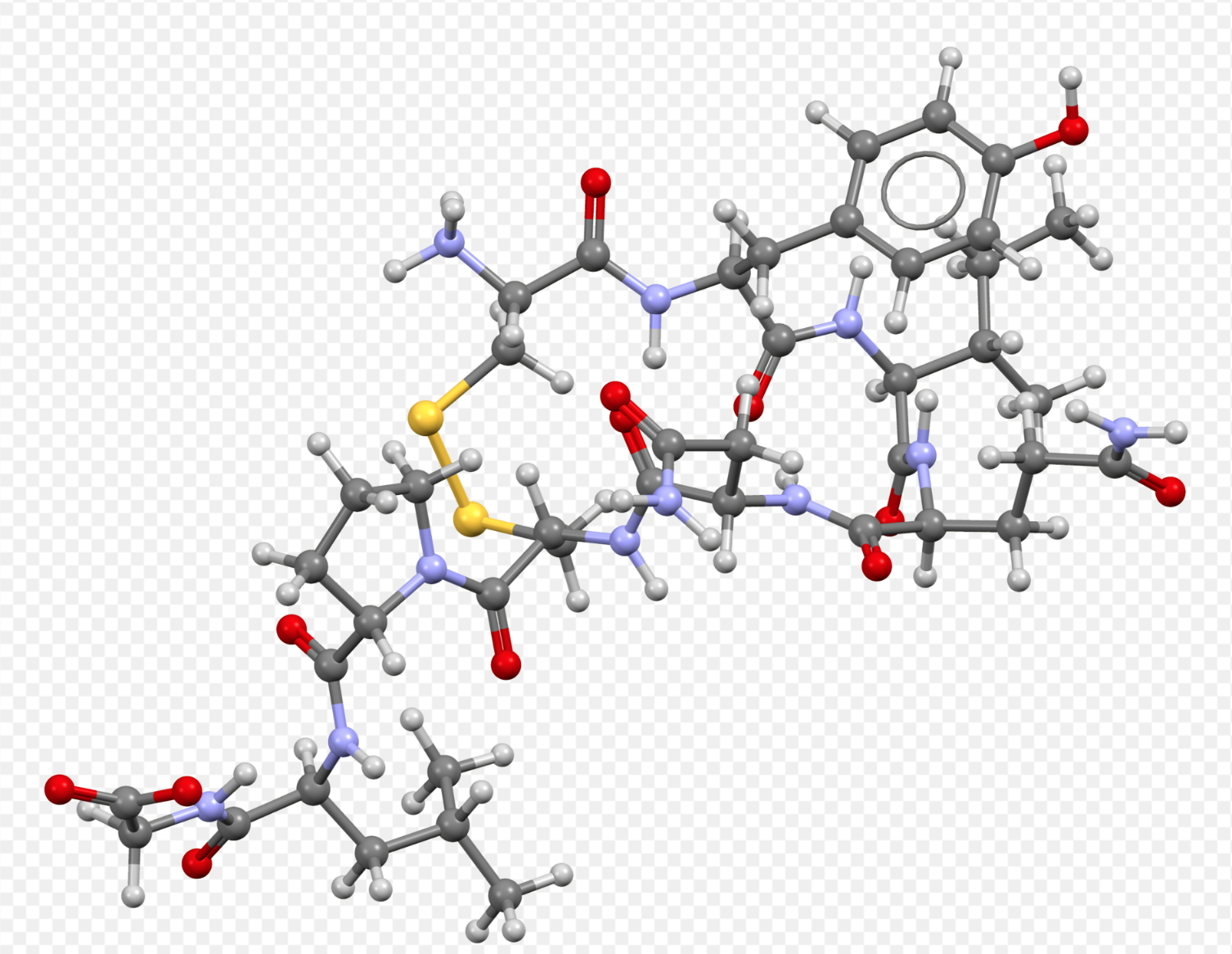
Angiotensin II is under investigation for the treatment of Sepsis, Septic Shock, Diabetes Mellitus, and Acute Renal Failure. Angiotensin II has been investigated for the treatment, basic science, and diagnostic of Hypertension, Renin Angiotensin System, and Idiopathic Membranous Nephropathy.
*The following content is generated by AI and is for reference only.
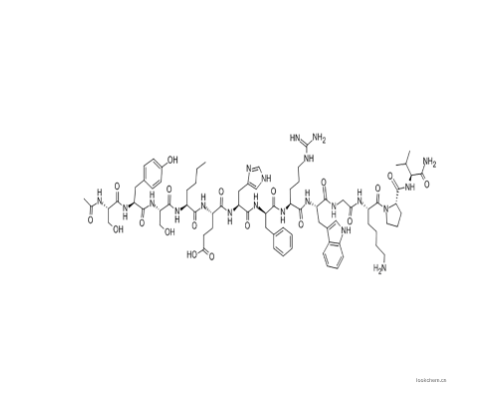
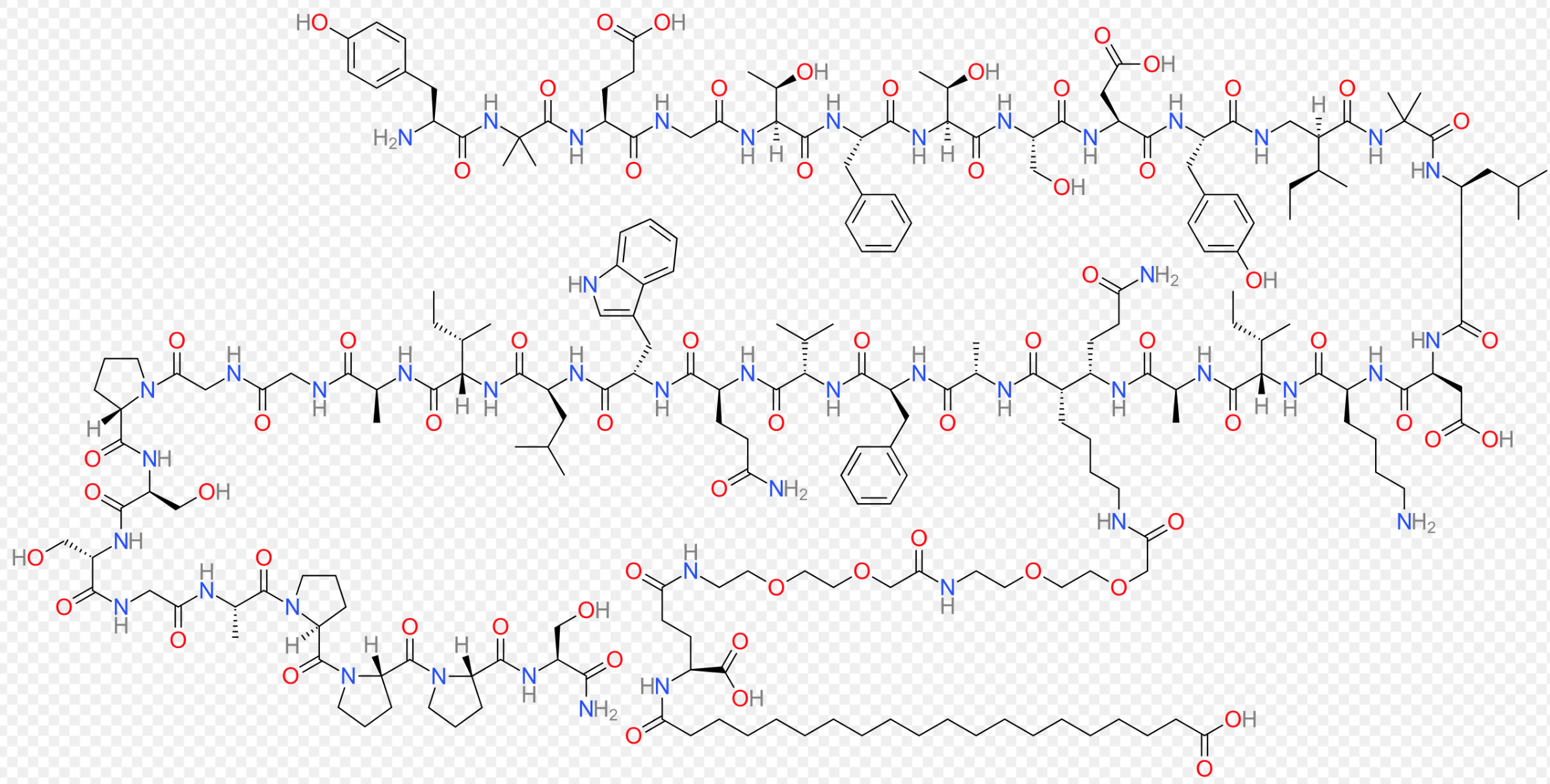
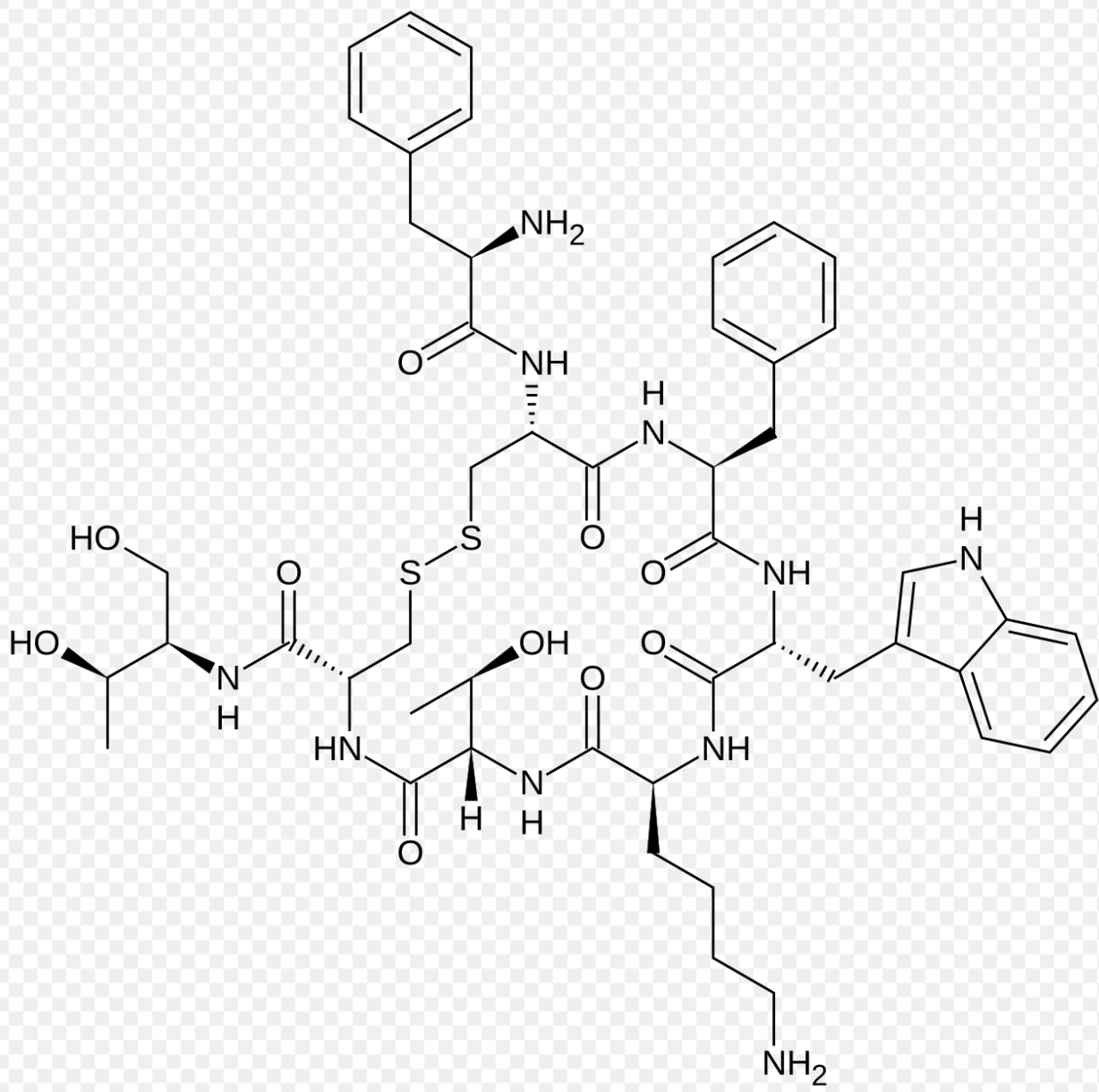
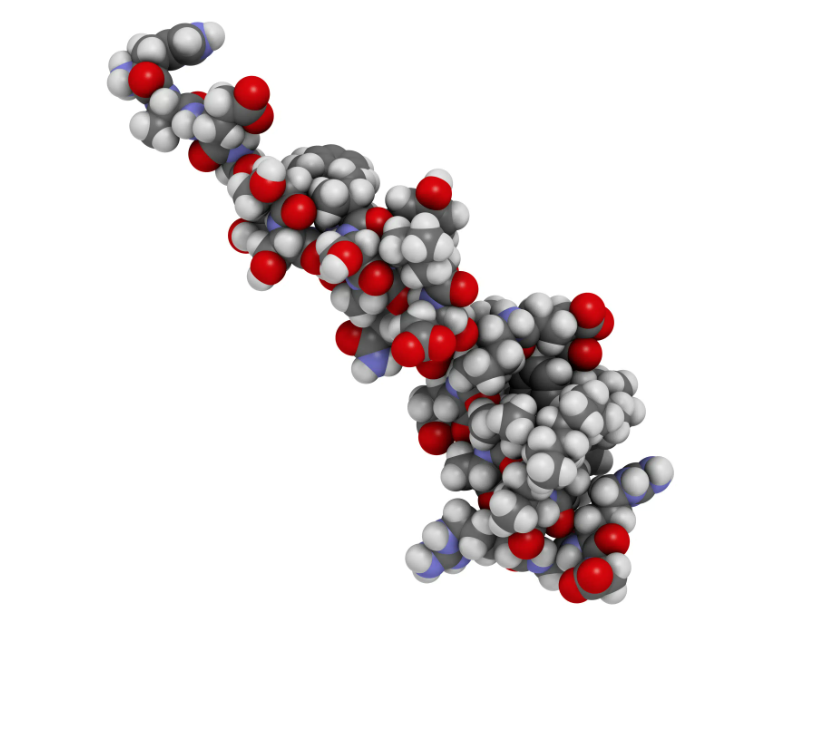
Angiotensin II Acetate is a potent synthetic analog of the endogenous peptide hormone Angiotensin II, widely utilized in biomedical research to investigate the renin-angiotensin-aldosterone system (RAAS). Its chemical structure consists of the octapeptide Angiotensin II acetylated at the N-terminus, which enhances its stability against enzymatic degradation compared to the native form. The molecular formula for this compound is typically represented as C48H73N15O16S2 when considering the acetate salt form associated with the specific peptide sequence derived from human or porcine sources, though exact stoichiometry can vary slightly depending on hydration and purity specifications. The CAS number commonly assigned to Angiotensin II Acetate is 1076-09-5, serving as a unique identifier for inventory and regulatory compliance in global chemical databases.
This reagent plays a critical role in cardiovascular physiology studies, particularly in understanding blood pressure regulation, vascular tone modulation, and cardiac remodeling processes. As a full agonist of both AT1 and AT2 receptors, it induces vasoconstriction, stimulates aldosterone secretion, and promotes sodium retention, making it an essential tool for modeling hypertension and heart failure in experimental settings. Researchers frequently employ Angiotensin II Acetate in isolated tissue bath experiments, cell culture assays, and animal models to evaluate the efficacy of novel antihypertensive drugs or to elucidate signaling pathways involving G-protein coupled receptors. Its acetate formulation ensures high solubility in aqueous buffers, facilitating precise dosing in physiological concentrations ranging from nanomolar to micromolar levels.
Beyond basic research, this compound aids in pharmacological screening by providing a standardized reference for receptor binding affinity and functional response characterization. It is also instrumental in studying renal hemodynamics and the interplay between angiotensin II and other vasoactive substances like endothelin or nitric oxide. Due to its rapid metabolism in vivo, the acetate variant offers improved shelf-life and handling characteristics for laboratory applications requiring long-term storage or repeated use. Strict quality control measures ensure that batches meet rigorous purity standards, minimizing variability in experimental outcomes. Consequently, Angiotensin II Acetate remains a cornerstone reagent in cardiovascular science, driving discoveries related to hypertension management and organ protection mechanisms.






 (All Rights Reserved)