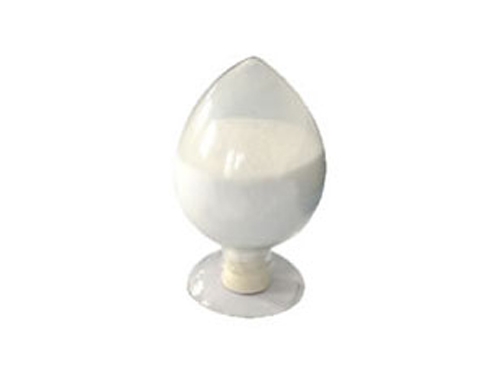
Product Description
- Cat. #: AKI-46
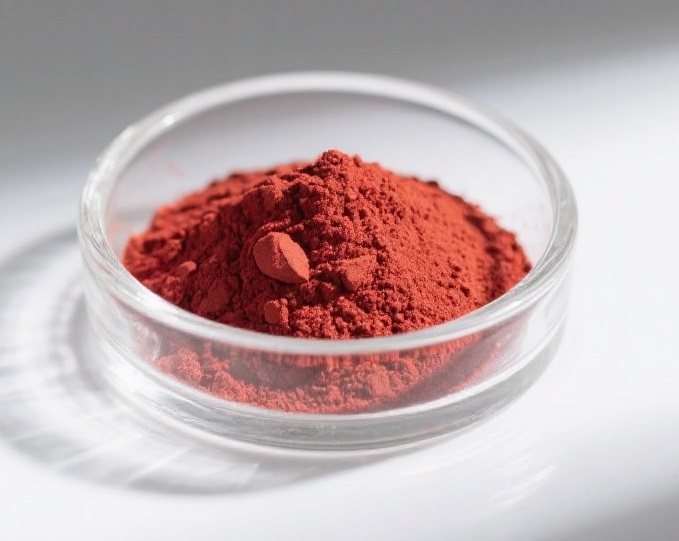
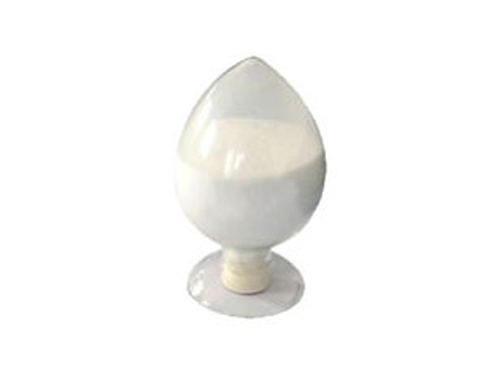
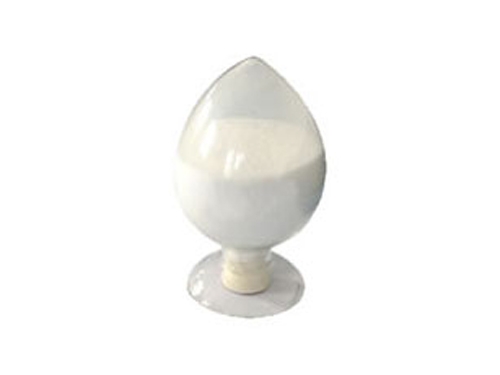
- Product: Aloin
- CAS No.: 1415-73-2; 28371-16-6
- Molecular Formula: C21H22O9
- Molecular Weight: 418.3940g/mol
- Plant Source: Aloe ferox Mill
- Part Used: Leaves
- Specification: (Aloin A + Aloin B) > 95%min;(Aloin A + Aloin B) > 98%min
AI Product Description
*The following content is generated by AI and is for reference only.
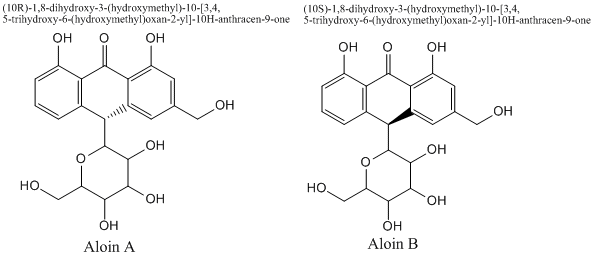
Aloin, chemically known as aloin A or barbaloin, is a naturally occurring anthraquinone glycoside primarily extracted from the latex of Aloe vera and other Aloe species. Its molecular formula is C21H22O9, and it carries the CAS Registry Number 478-56-0 for its specific crystalline form. This compound exists in two main stereoisomeric forms, aloin A and aloin B, which differ slightly in their spatial arrangement but share similar chemical properties. Structurally, aloin consists of an anthraquinone core linked to a disaccharide moiety, specifically glucose and rhamnose, making it a glycosylated derivative that influences its solubility and biological activity.
Historically, aloin has been widely recognized for its potent laxative effects, serving as a key active ingredient in various herbal supplements and over-the-counter digestive aids. When ingested, intestinal bacteria hydrolyze the glycosidic bond, releasing emodin aglycone, which stimulates peristalsis and accelerates bowel movements. Due to these strong physiological effects, regulatory bodies in many countries have restricted its use in cosmetic products intended for leave-on applications, particularly in concentrations exceeding 1%, citing potential carcinogenic concerns based on animal studies, although human data remains inconclusive. Consequently, modern formulations often favor purified aloe gel where aloin content is minimized or removed entirely to ensure safety while retaining soothing benefits.
Beyond its pharmaceutical role, aloin exhibits interesting pharmacological properties, including anti-inflammatory, antioxidant, and antimicrobial activities, which are currently under investigation for broader therapeutic applications. It also serves as a valuable marker compound in quality control processes for the aloe industry, ensuring product authenticity and standardizing extract potency. While not typically used as a standalone industrial chemical, its presence dictates the classification and safety profile of aloe-based goods. Researchers continue to explore its potential in treating metabolic disorders and skin conditions, balancing efficacy with strict safety guidelines. As interest in natural bioactive compounds grows, understanding the precise chemistry and regulatory status of aloin remains crucial for manufacturers and consumers alike.




 (All Rights Reserved)