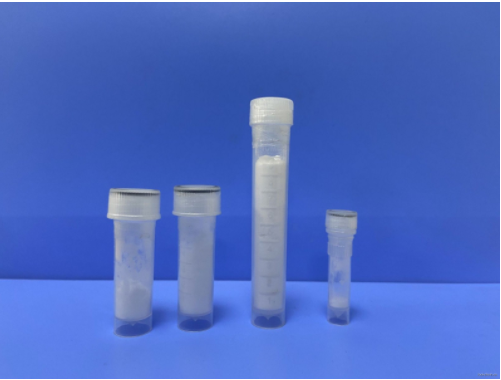
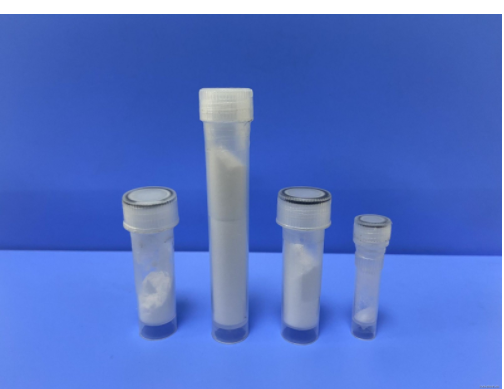
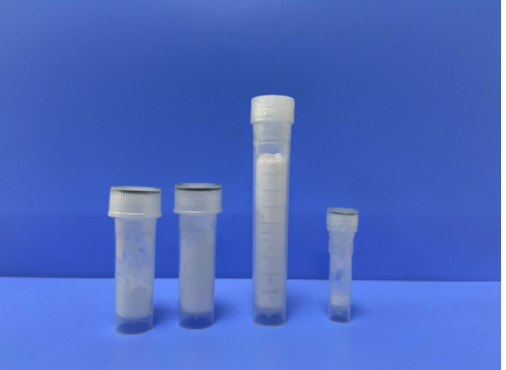
Brand: Gutuo Appearance: white solid Storage: shading, cool and dry, sealed and stored Purity: ≥99% Main use: pharmaceutical intermediates Executive standard: enterprise standard Specification: 25kg/barrel or 1kg/bag (subject to customer requirements) Sales scope: nationwide
*The following content is generated by AI and is for reference only.
Alanine methyl ester hydrochloride is a widely utilized chemical intermediate in the field of organic synthesis and pharmaceutical research. Chemically, it represents the hydrochloride salt form of L-alanine methyl ester, a protected amino acid derivative. Its molecular formula is C4H10ClNO2, and it carries the CAS registry number 793-58-6. This compound appears as a white to off-white crystalline powder or solid, characterized by high solubility in water and polar organic solvents, while remaining insoluble in non-polar hydrocarbons. The presence of the methyl ester group protects the carboxylic acid functionality, while the hydrochloride moiety ensures stability and enhances solubility for aqueous reactions.
The primary application of Alanine methyl ester hydrochloride lies in peptide chemistry. It serves as a crucial building block for the solid-phase and solution-phase synthesis of peptides and proteins. Researchers utilize this reagent to introduce alanine residues into growing peptide chains with high fidelity. Because the amine group is free to react while the carboxyl group is masked as an ester, it facilitates controlled coupling reactions, minimizing side products such as racemization. Furthermore, it is extensively employed in the development of novel antibiotics and bioactive small molecules where specific stereochemistry is required. In academic laboratories, it acts as a standard reference material for calibrating analytical instruments like HPLC and mass spectrometers.
Beyond peptide synthesis, this compound finds utility in metabolic studies and enzymatic assays. Scientists use it to investigate enzyme kinetics, particularly those involving aminopeptidases or proteases that cleave peptide bonds near alanine residues. Its stability under various pH conditions makes it suitable for diverse experimental setups. Additionally, it plays a role in the preparation of chiral catalysts and ligands used in asymmetric synthesis. Due to its availability in both L- and D-enantiomeric forms, it supports comprehensive structure-activity relationship (SAR) studies. Proper handling requires adherence to safety protocols, as the hydrochloride form can be corrosive upon contact with skin or eyes. Overall, Alanine methyl ester hydrochloride remains an indispensable reagent for advancing drug discovery, biochemical analysis, and materials science, offering a reliable pathway for constructing complex nitrogen-containing architectures efficiently.





 (All Rights Reserved)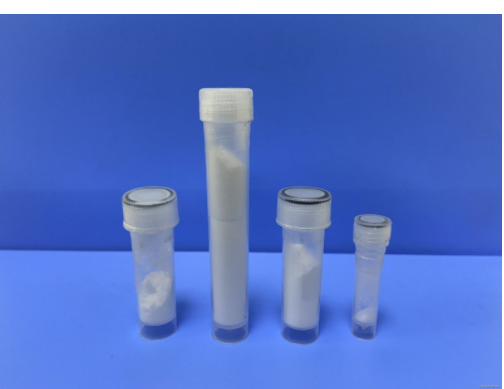

![8,16-Diazadispiro[6.1.6.2]heptadecan-17-one](https://eimg.pharmasources.com/image/product/20250403/ca91cba8b87e53fc879f8d8764873a40jpg)
![6,8-Dioxo-5,7-diazaspiro[3.4]octane-2-carboxylic acid](https://eimg.pharmasources.com/image/product/20250403/02effeb5a7639bc84ff1f3add3c0c64fjpg)
![8-Oxa-1,3-diazaspiro[4.5]decane-2,4-dione](https://eimg.pharmasources.com/image/product/20250403/60fa7223d5a34f24138486ceea0ffb15jpg)
