Product Description
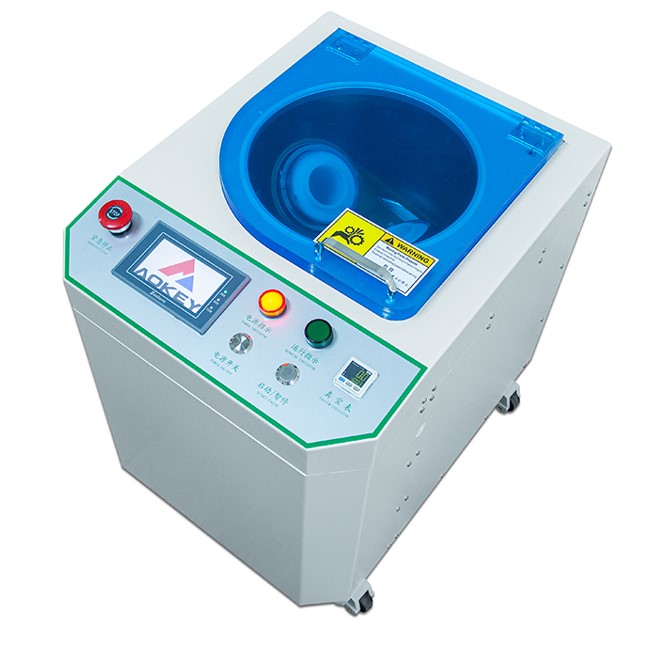
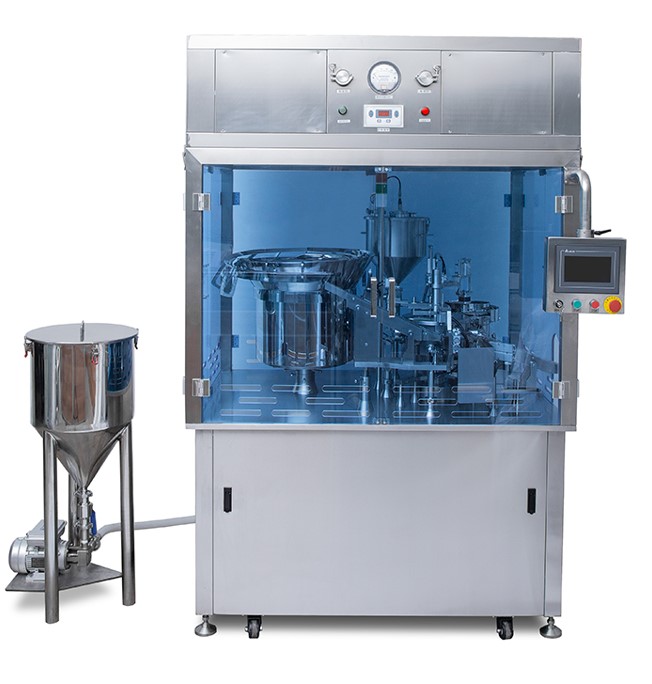
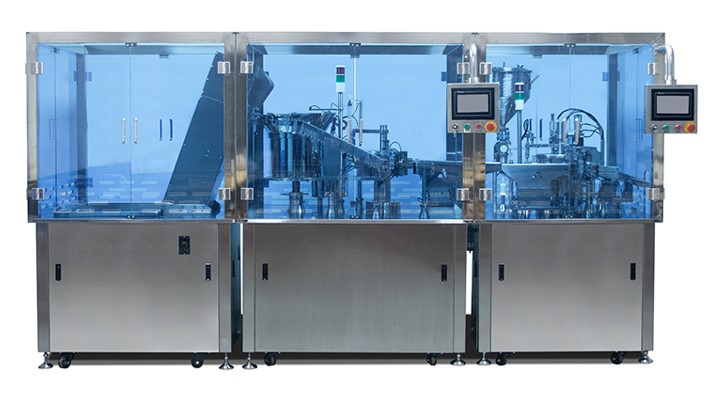
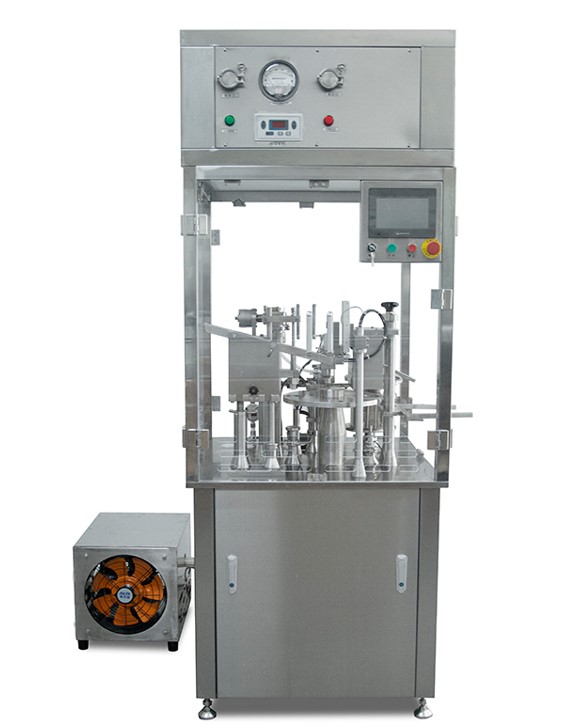
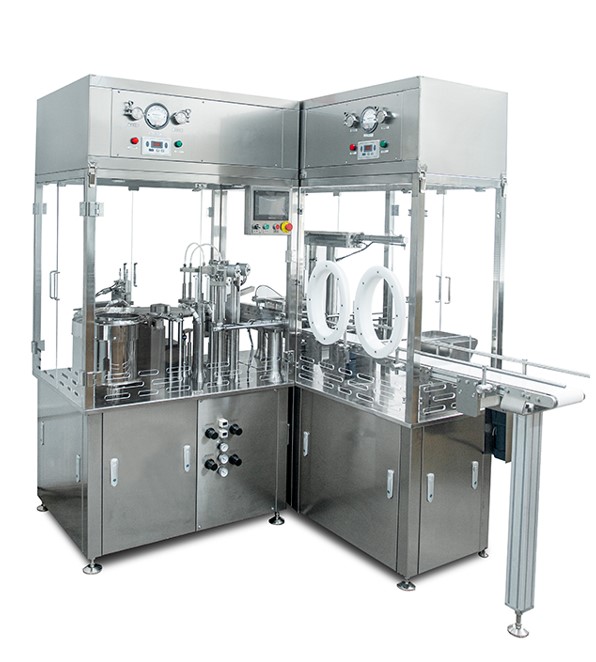
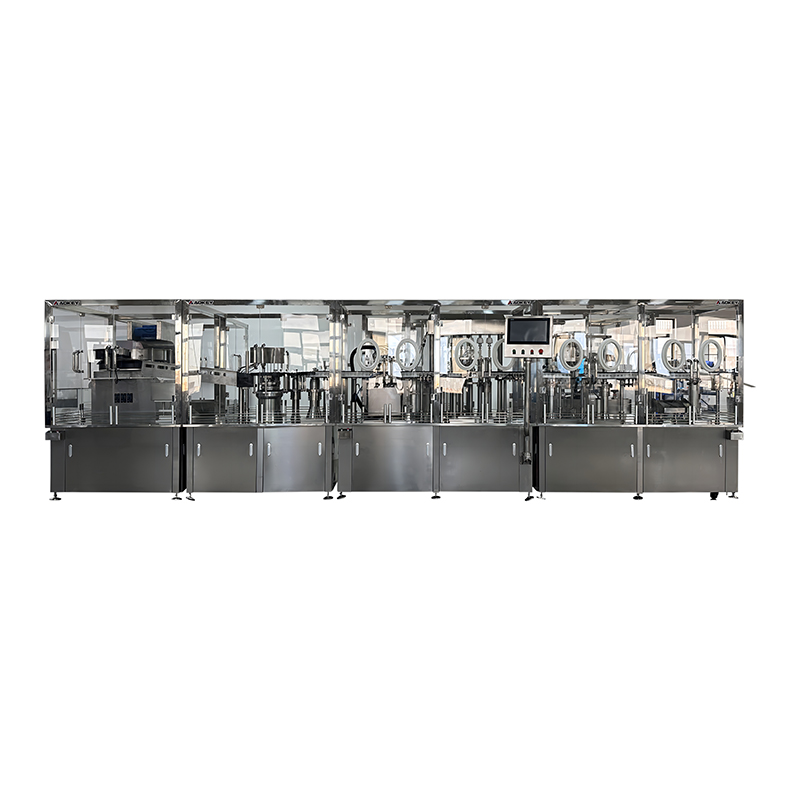
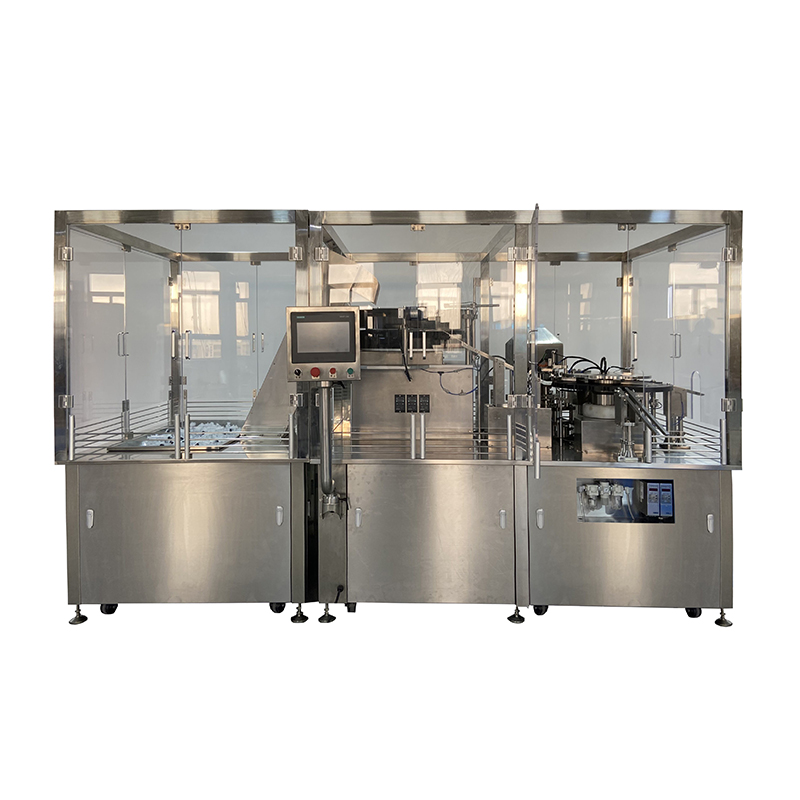
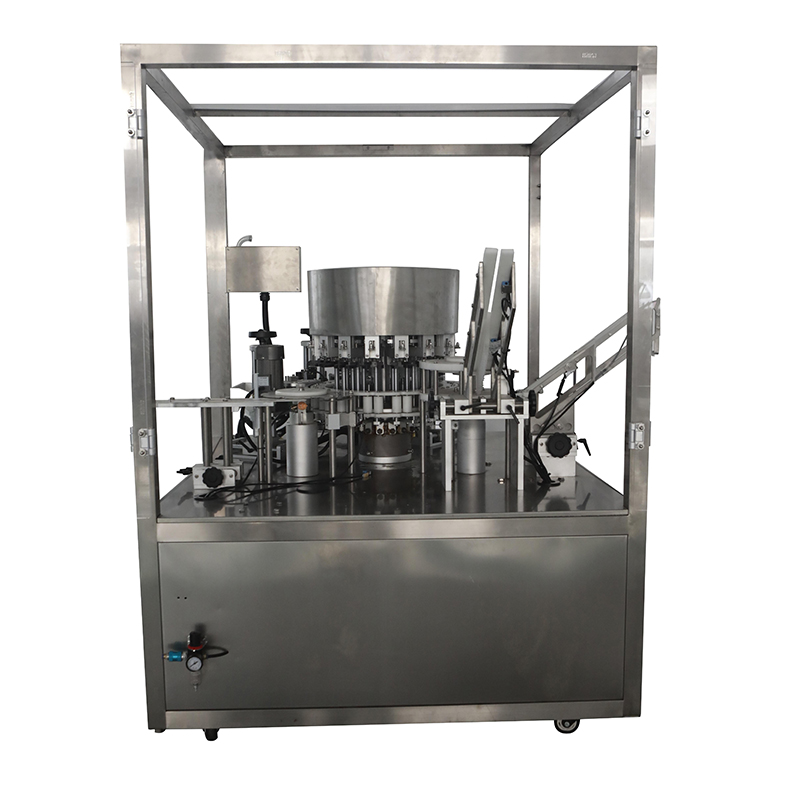
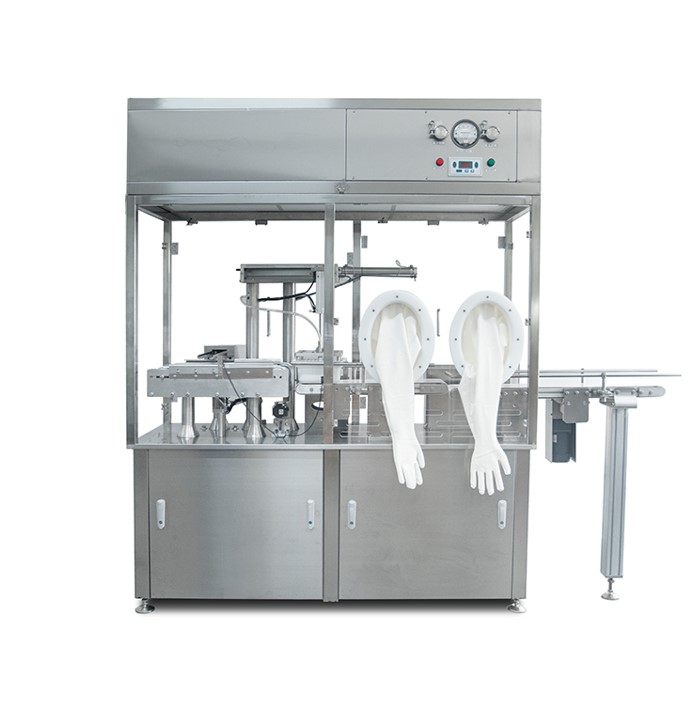
Nest removal machine is an automatic equipment that takes out the pre-filled syringe stored in the nest box, and distributes the pre-filled syringe to the filling station through intelligent control in an orderly manner. It can be used with the filling and stuffing machine or the rotary rod labeling machine, which solves the problems of slow material separation and easy to break, and improves the production efficiency.
AI Product Description
*The following content is generated by AI and is for reference only.
The AJ-TSB pre-potting syringe automatic denesting machine is a specialized industrial automation solution designed to streamline the handling of medical and laboratory syringes prior to assembly. Its primary function is to efficiently separate stacked, nested syringes from bulk packaging and feed them into subsequent manufacturing or filling lines with high precision. In modern production environments, manual separation of syringes is labor-intensive, slow, and prone to human error or contamination. This automated system eliminates such bottlenecks by utilizing advanced mechanical gripping and vibration mechanisms to gently detach each syringe without damaging delicate components like plungers or barrels.
The machine significantly enhances operational efficiency by synchronizing with upstream and downstream equipment, ensuring a continuous flow of materials. It is particularly vital in sterile manufacturing settings where maintaining hygiene standards is paramount. By automating the denesting process, manufacturers reduce the risk of cross-contamination and ensure consistent orientation of syringes for accurate dosing or assembly. The unit typically features user-friendly interfaces for adjusting parameters based on different syringe sizes, making it versatile for various medical applications ranging from insulin delivery to vaccine administration.
Key operational precautions are essential for optimal performance and safety. Operators must strictly adhere to cleaning protocols to maintain sterility, as residual debris can cause jams or compromise product quality. Regular calibration of sensors and grippers is necessary to prevent misfeeds, which could lead to equipment damage. Furthermore, the machine should only be operated by trained personnel familiar with emergency stop procedures and lockout/tagout protocols during maintenance. Ensuring that the power supply remains stable and that the workspace is free from excessive dust or moisture is critical for longevity. Ultimately, the AJ-TSB represents a crucial investment for facilities aiming to maximize throughput while upholding rigorous quality and safety standards in syringe production.





 (All Rights Reserved)