Product Description
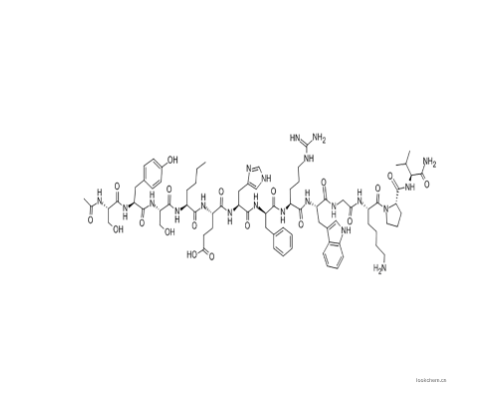
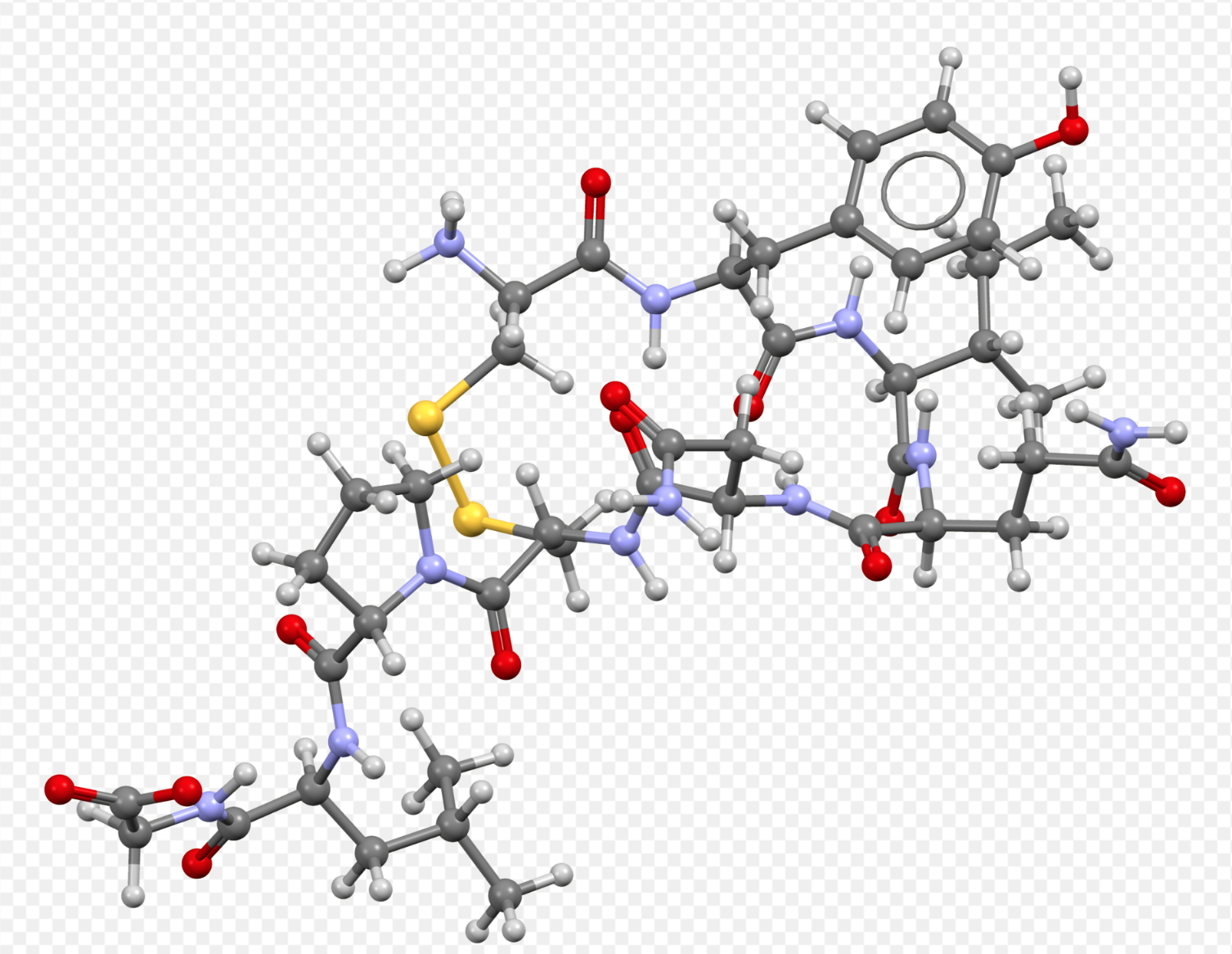
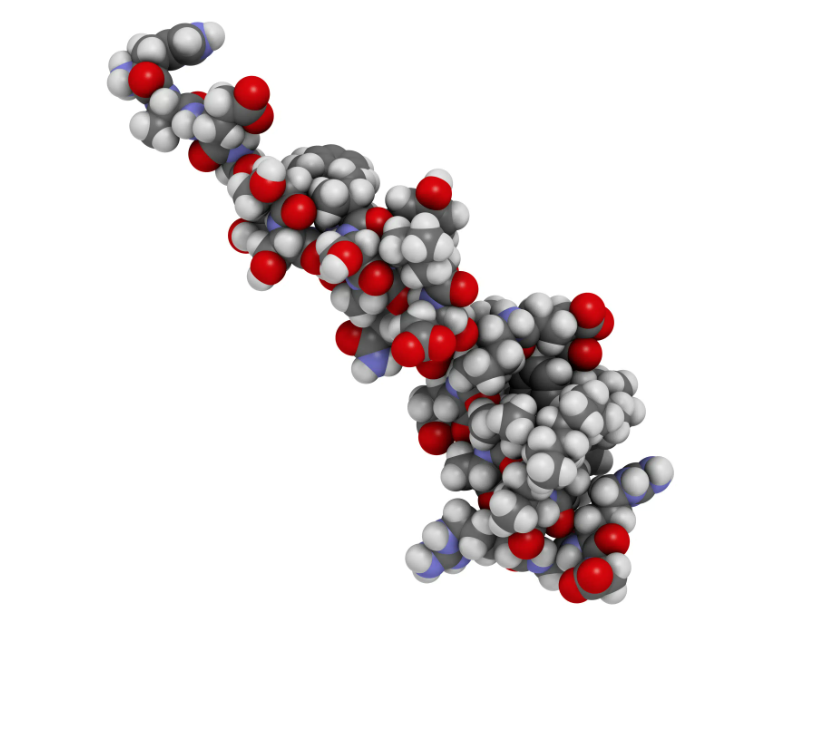
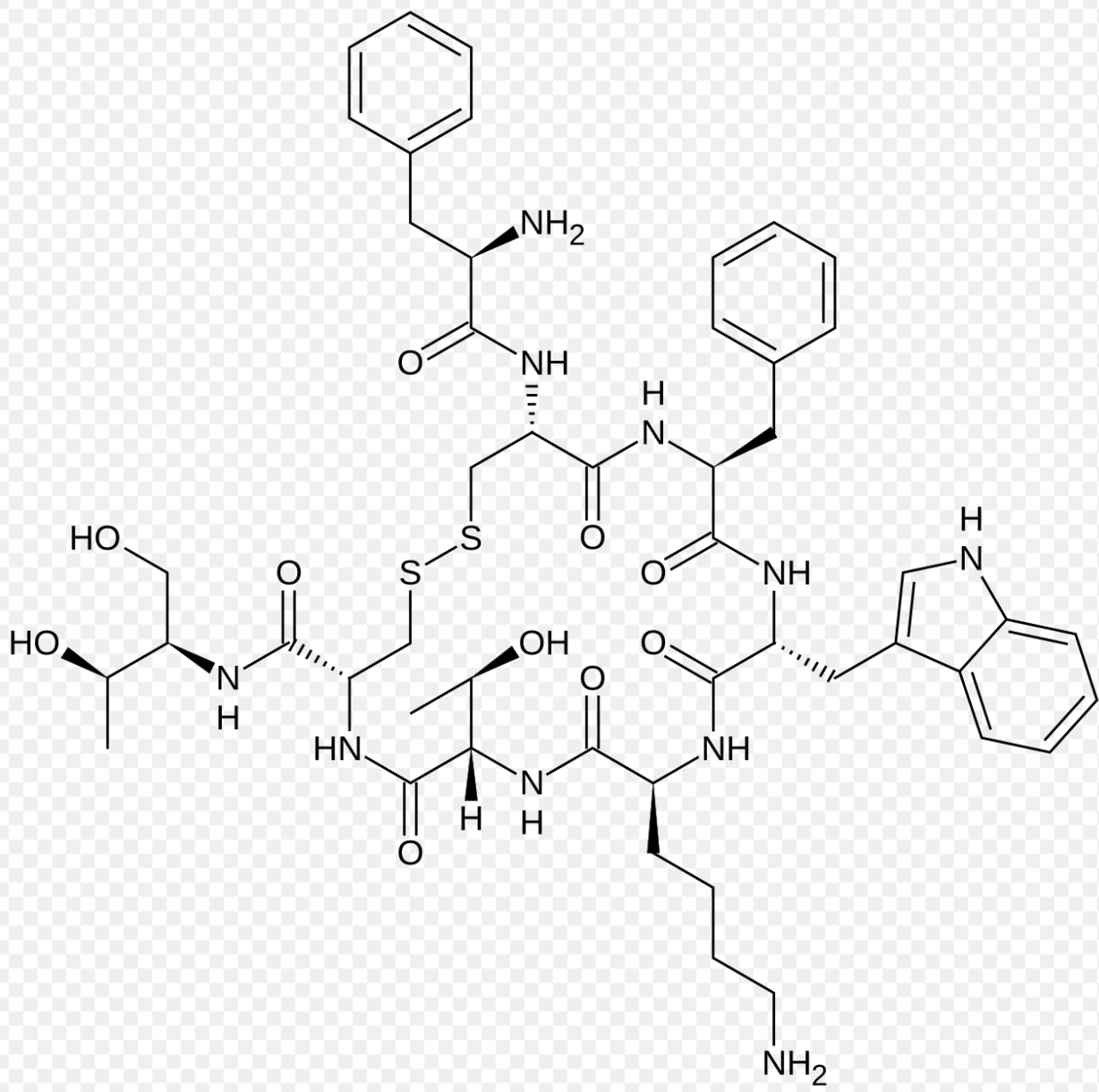
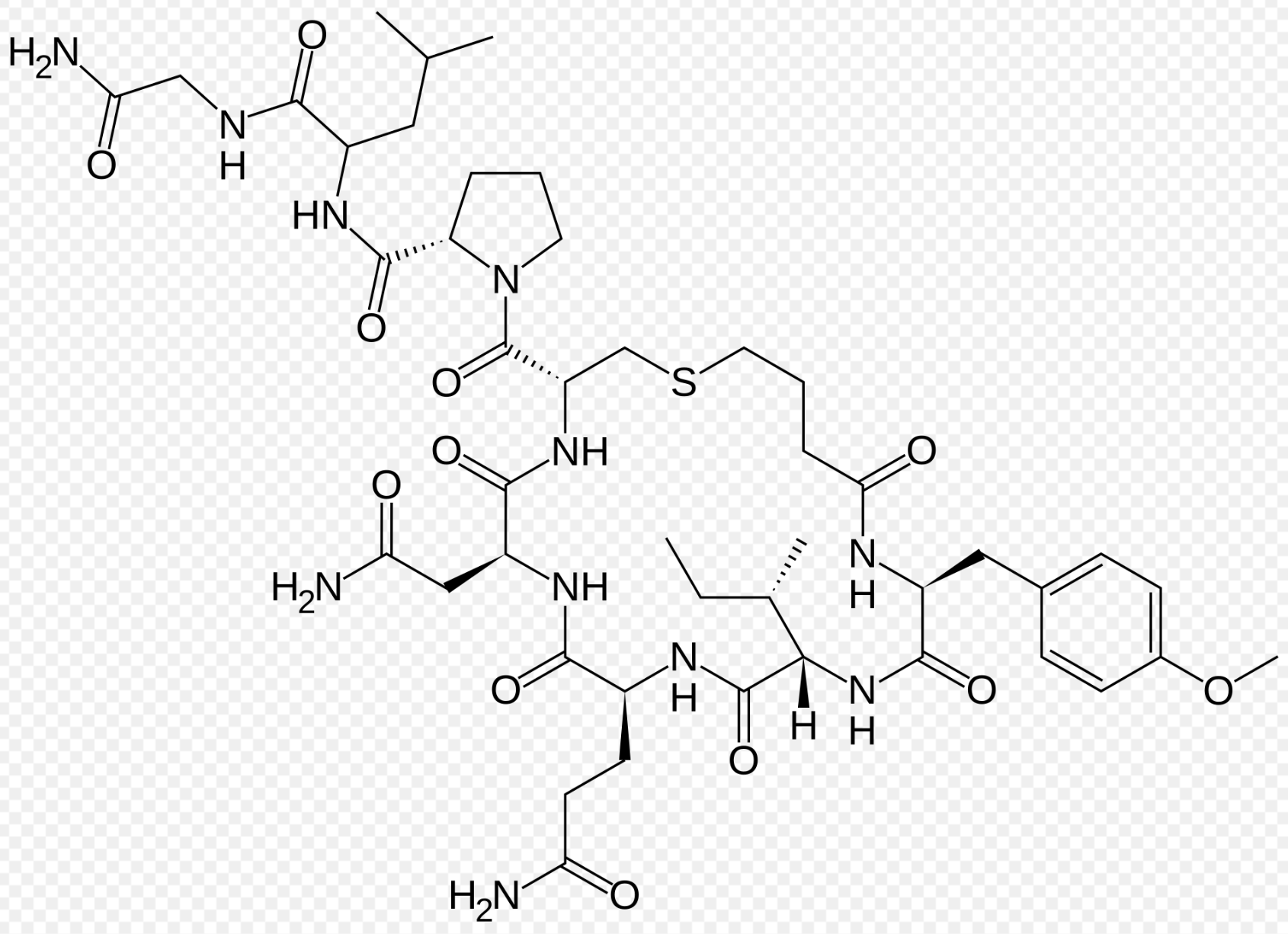
Adrenomedullin (16-31), human is a 16-31 amino acid fragment of human adrenomedullin. Adrenomedullin has a significant affinity for CGRP1 receptors. Adrenomedullin (16-31), human has a booster activity on the blood vessels of the whole body of rats, but it has no activity on some animals. Adrenomedullin (16-31) is not difficult to synthesize peptide. Go Top Peptide Biotech can provide high-quality products with a purity of more than 98%.
AI Product Description
*The following content is generated by AI and is for reference only.
Adrenomedullin (16-31) is a biologically active fragment derived from the full-length human adrenomedullin peptide, which comprises 52 amino acids. This specific segment, spanning residues 16 to 31, retains significant physiological activity while offering distinct pharmacological properties compared to the parent molecule. Its molecular formula is typically represented as C79H128N24O24S, reflecting its complex polypeptide structure composed of 16 amino acid residues. The compound does not possess a traditional CAS number in commercial databases because it is often sold as a research-grade synthetic peptide or a custom synthesis product rather than a bulk chemical commodity; however, it is frequently cataloged under specific vendor reference numbers for laboratory use.
The primary utility of Adrenomedullin (16-31) lies in biomedical research, particularly within the fields of cardiovascular physiology and endocrinology. As a potent vasodilator, this peptide plays a crucial role in regulating blood pressure and vascular tone by acting on the calcitonin gene-related peptide receptor (CGRP-R) and the adrenomedullin-specific receptor complex. Researchers utilize this fragment to investigate signaling pathways involved in angiogenesis, cell survival, and apoptosis inhibition. Unlike the full-length peptide, certain fragments may exhibit altered stability or receptor selectivity, making them valuable tools for dissecting specific domains responsible for biological effects.
In experimental settings, Adrenomedullin (16-31) is employed to study mechanisms underlying hypertension, heart failure, and ischemic reperfusion injury. It has demonstrated protective effects against endothelial dysfunction and oxidative stress in various in vitro and in vivo models. Furthermore, its ability to modulate immune responses suggests potential applications in inflammatory disease research. Scientists must handle this substance with care, adhering to strict storage protocols at ultra-low temperatures to maintain peptide integrity and prevent degradation. While not currently approved as a therapeutic drug for human clinical use, ongoing investigations into its structure-activity relationships continue to highlight its promise as a lead compound for developing novel cardiovascular therapeutics. Consequently, it remains an essential reagent for academic laboratories aiming to unravel the complexities of peptide-mediated signaling networks in health and disease.





 (All Rights Reserved)