Product Description
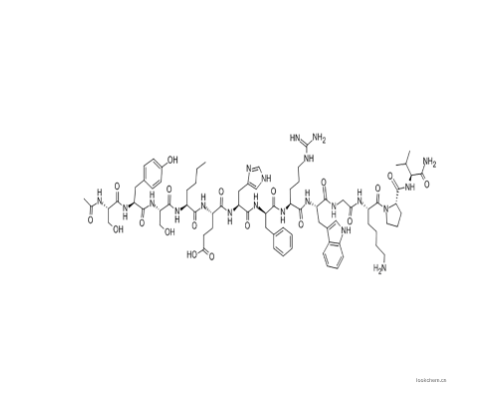
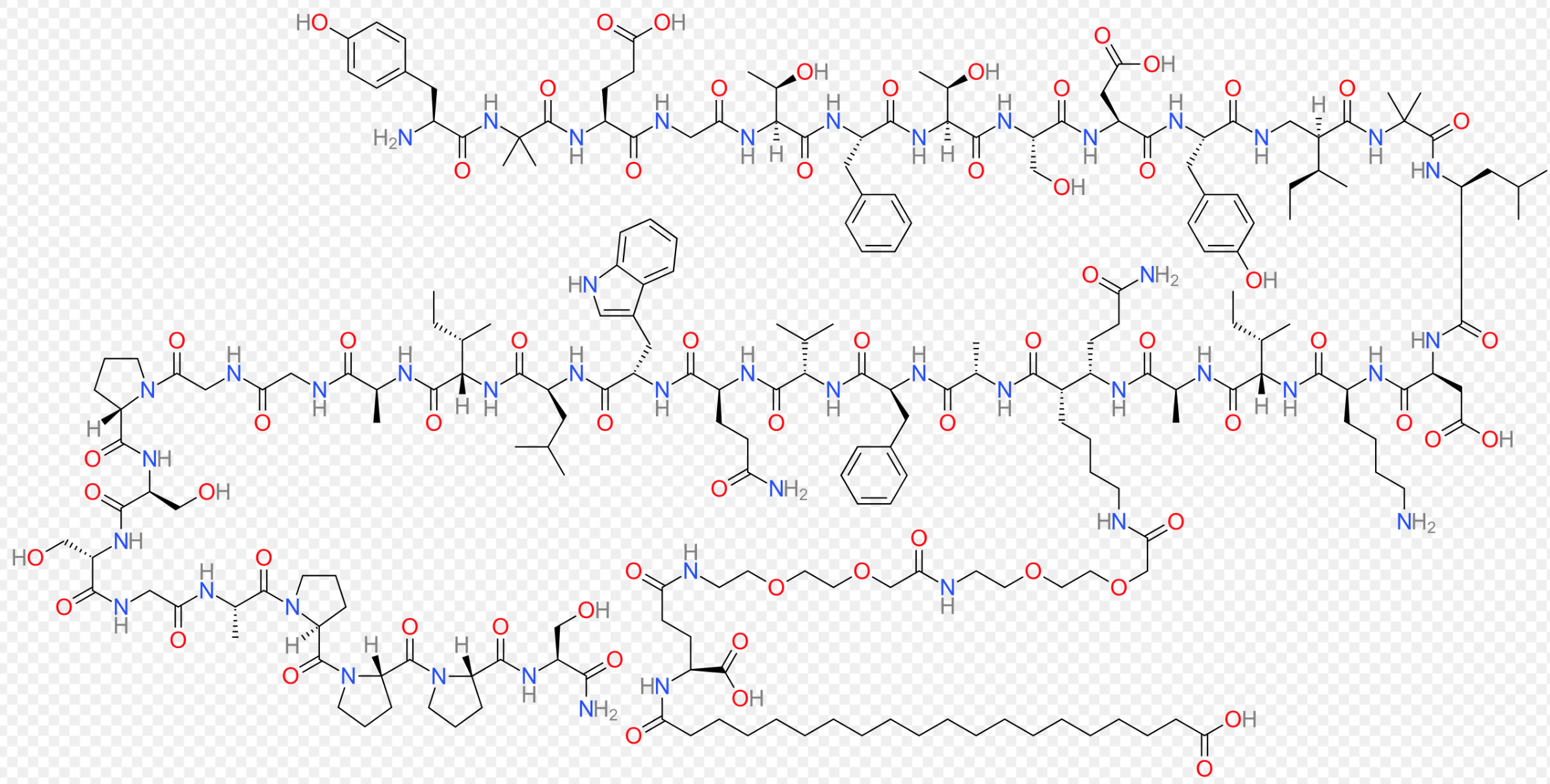
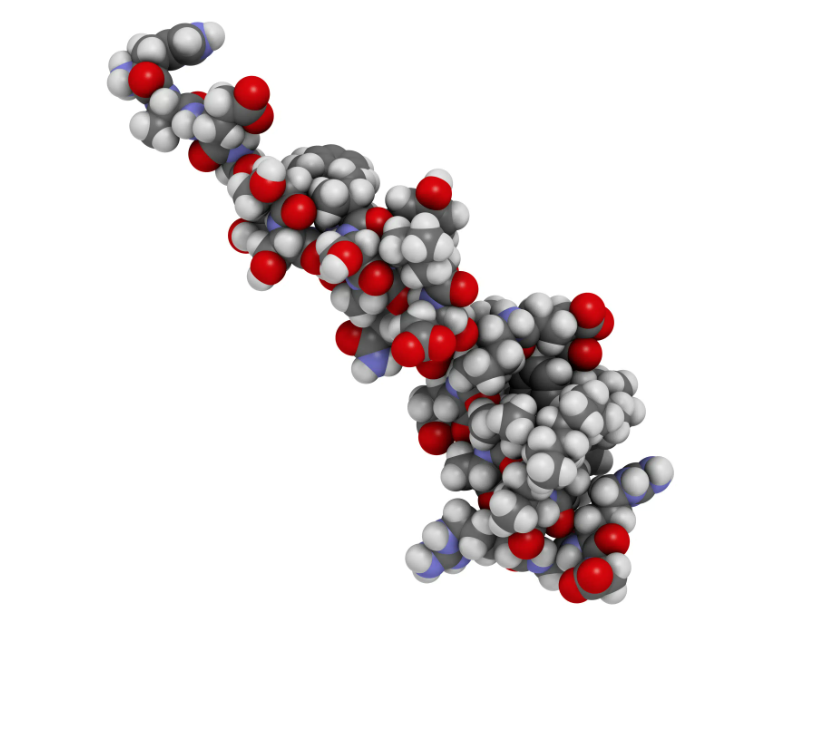
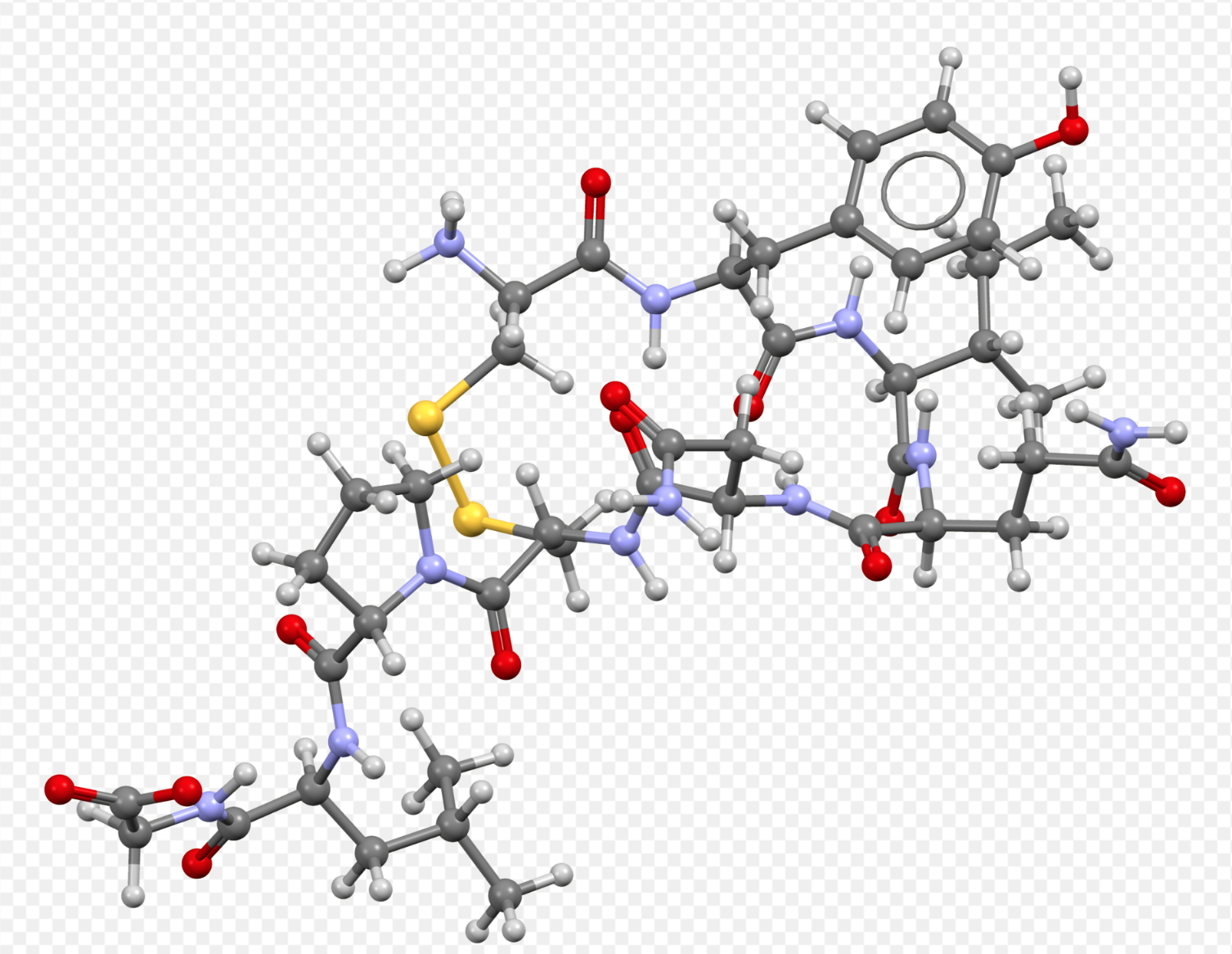
Adrenocorticotropic hormone (ACTH) (18-39), a peptide composed of 22 amino acids, belongs to a corticotropin-like middle lobe peptide, which is produced in the melanocytes of the middle lobe of the pituitary. In animal simulation experiments, ACTH (18-39) (human) can promote sleep increase in mice. In terms of peptide synthesis, the ACTH (18-39) (human) sequence is relatively simple, and Go Top Biotech Peptide can provide high-quality products with a purity of more than 98%.
AI Product Description
*The following content is generated by AI and is for reference only.
ACTH (18-39), also known as Corticotropin-Like Intermediate Peptide or CLIP, is a biologically active fragment derived from the N-terminal region of adrenocorticotropic hormone. This peptide corresponds to amino acid residues 18 through 39 of the full-length ACTH molecule and retains significant biological potency despite lacking the complete sequence required for maximal adrenal stimulation. The molecular formula of this synthetic peptide is typically represented as C₁₇₆H₂₈₅N₄₉O₄₇S₃, reflecting its specific amino acid composition which includes critical residues like tyrosine and arginine essential for receptor interaction. While a standard CAS number varies slightly depending on the specific salt form or supplier purity specifications, it is frequently cataloged under identifiers such as 56274-07-8 or similar variations used in research contexts for the free acid or acetate forms.
In scientific research, CLIP serves as a vital tool for investigating the structure-function relationships within the melanocortin system. It acts primarily as an agonist for the Melanocortin-2 receptor (MC2R) located on adrenal cortical cells, though its affinity is generally lower than that of full-length ACTH. Researchers utilize this compound to study steroidogenesis pathways, specifically how intermediate peptides trigger cortisol synthesis in the absence of the full hormonal cascade. Furthermore, due to its structural similarity to other melanocortins, CLIP is employed in studies exploring pigmentation mechanisms and metabolic regulation, offering insights into the evolutionary conservation of pituitary hormones across vertebrate species. Its application extends to pharmacological assays designed to screen for selective MC2R modulators or to understand the pathophysiology of adrenal insufficiency disorders where ACTH signaling is compromised. By isolating this specific fragment, scientists can dissect the precise molecular interactions required for endocrine function without the confounding variables present in the whole protein. Consequently, ACTH (18-39) remains an indispensable reagent in endocrinology laboratories worldwide, facilitating advancements in our understanding of stress response systems and adrenal gland physiology.





 (All Rights Reserved)