Product Description
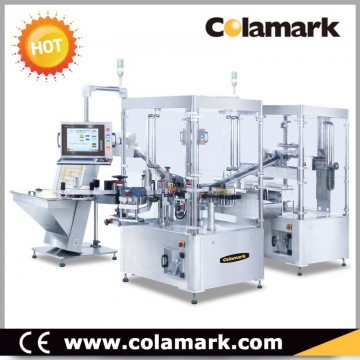
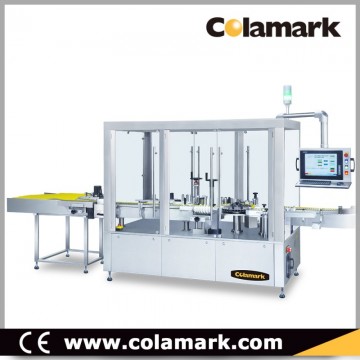
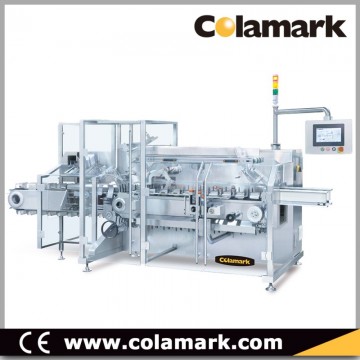
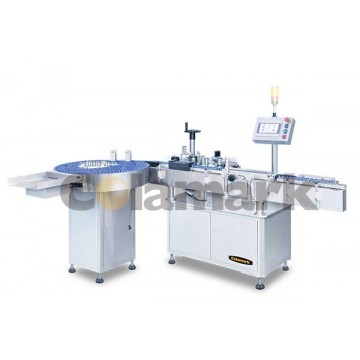
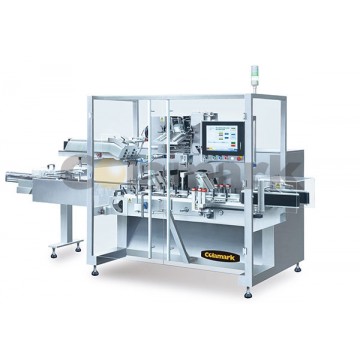
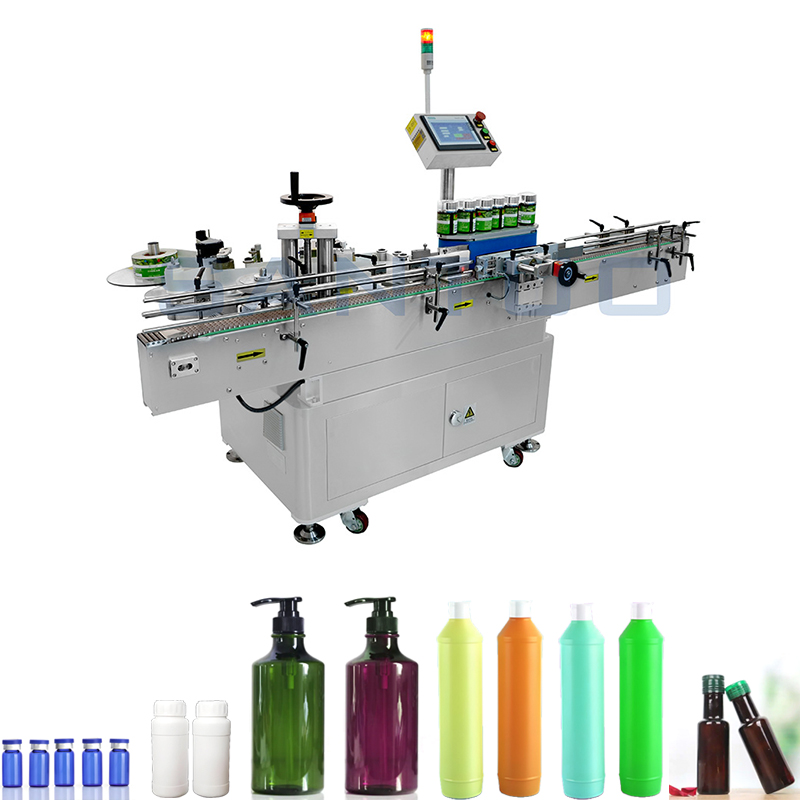
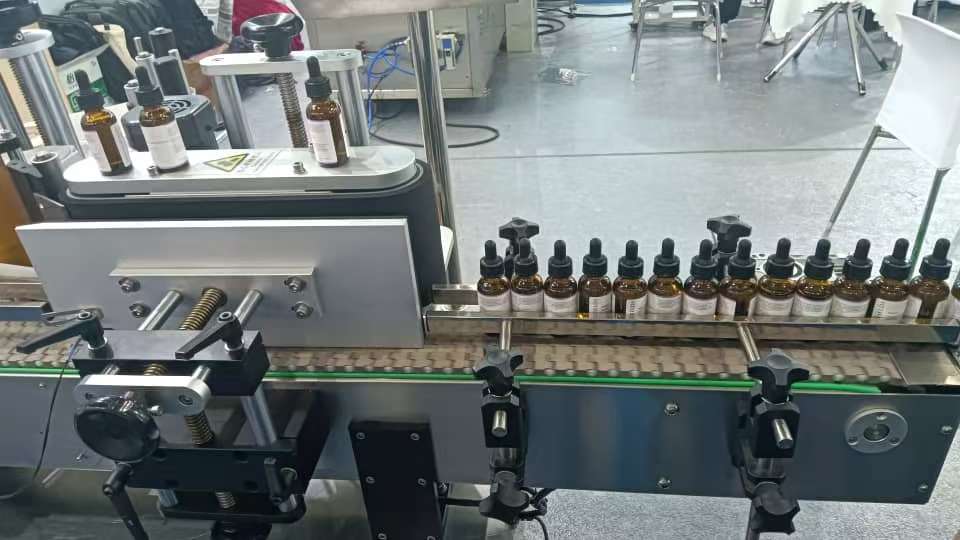
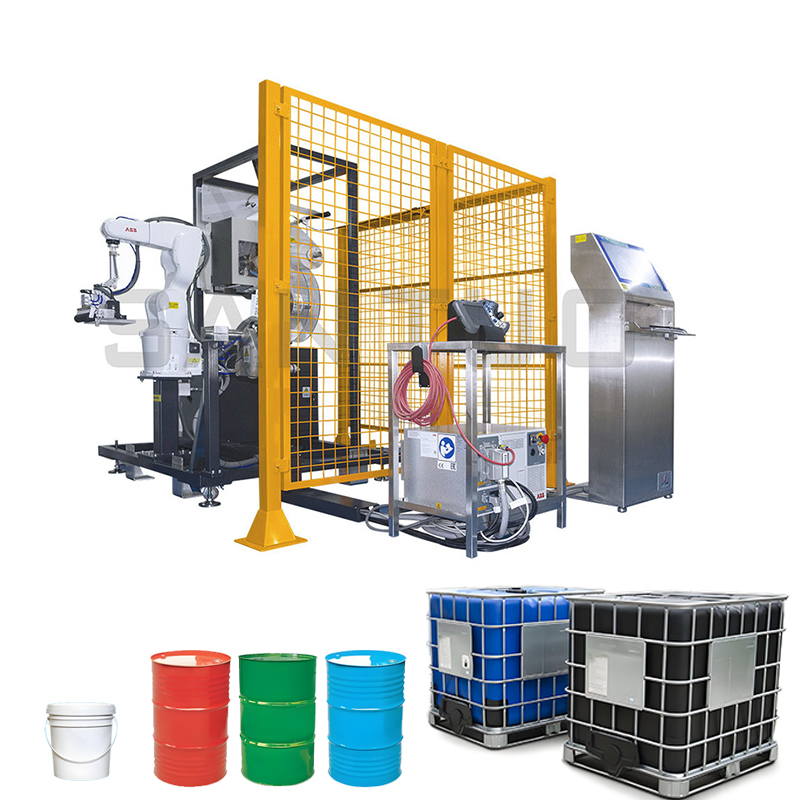
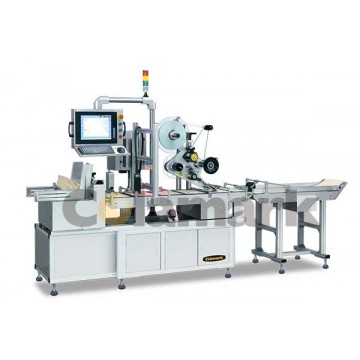
The A3 series personalizes and labels cards/sheets of size from CR80 to A4. Different printing technologies including CIJ, TIJ, DOD or laser printers can be seamlessly integrated.It also consists of labeling engine for scratch off label or other identification labels application, vision inspection and diversion devices for data integrity control. An ideal equipment for scratch cards, contact and contactless smart cards, forms and tickets etc.
AI Product Description
*The following content is generated by AI and is for reference only.
The product in question is a specialized industrial printing and labeling solution designed for high-volume, precision identification tasks across various sectors such as healthcare, logistics, manufacturing, and pharmaceuticals. Its primary function is to automate the generation of durable labels and cards, ensuring accurate data capture and compliance with strict regulatory standards. These systems typically integrate advanced thermal transfer or direct thermal printing technologies to produce clear, scannable barcodes, QR codes, and human-readable text on diverse substrates including PVC cards, paper tags, and synthetic materials.
A key feature of this equipment is its robust connectivity, allowing seamless integration with existing enterprise resource planning (ERP) databases and inventory management software. This capability ensures real-time data synchronization, minimizing manual entry errors and enhancing operational efficiency. The system supports complex workflows, enabling batch processing, variable data printing, and multi-format output, which is essential for industries requiring rapid turnaround times and traceability.
When operating this machinery, several critical precautions must be observed to maintain performance and safety. First, users should strictly adhere to manufacturer guidelines regarding media compatibility; using incorrect ribbon types or label materials can cause printhead damage or poor print quality. Regular maintenance is vital, including periodic cleaning of rollers and printheads to prevent debris accumulation, which often leads to streaking or missed prints. Additionally, environmental factors play a significant role; the unit should be placed in a climate-controlled area away from excessive dust, humidity, or direct sunlight to ensure optimal longevity.
Operators must also prioritize electrical safety by ensuring proper grounding and avoiding power surges through the use of surge protectors. Software updates should be applied promptly to address security vulnerabilities and improve functionality. Finally, training personnel on emergency stop procedures and troubleshooting basic errors is essential to prevent downtime. By following these protocols, organizations can maximize the reliability and lifespan of their labeling infrastructure while maintaining high standards of accuracy and compliance.





 (All Rights Reserved)