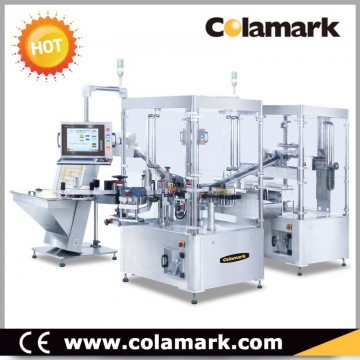
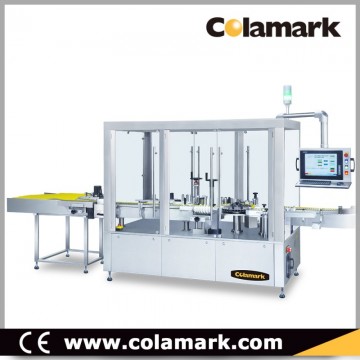
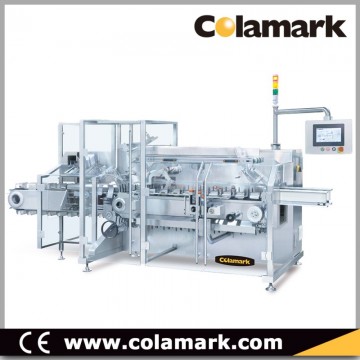
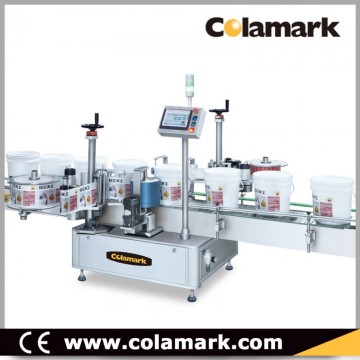
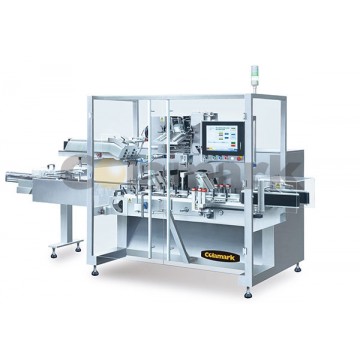
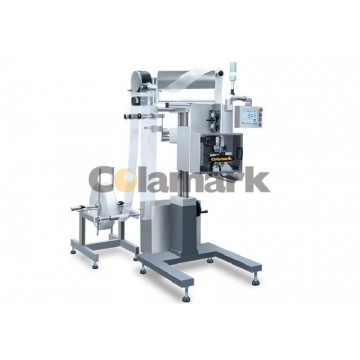
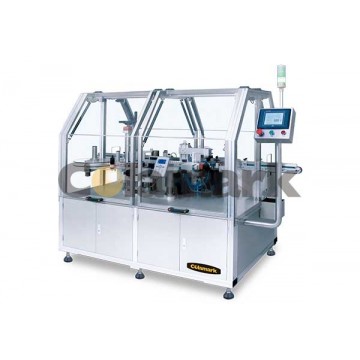
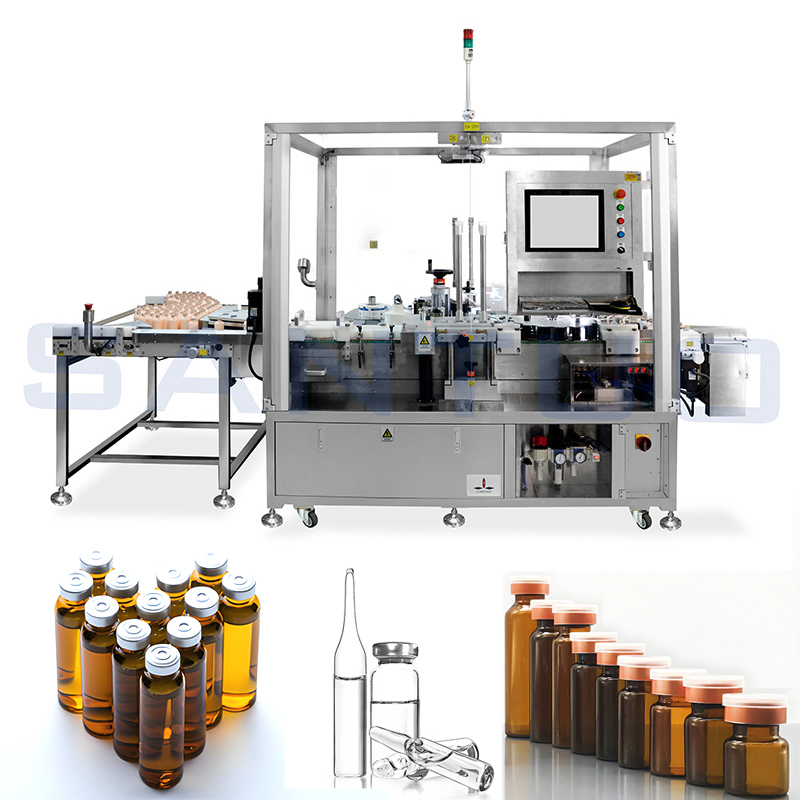
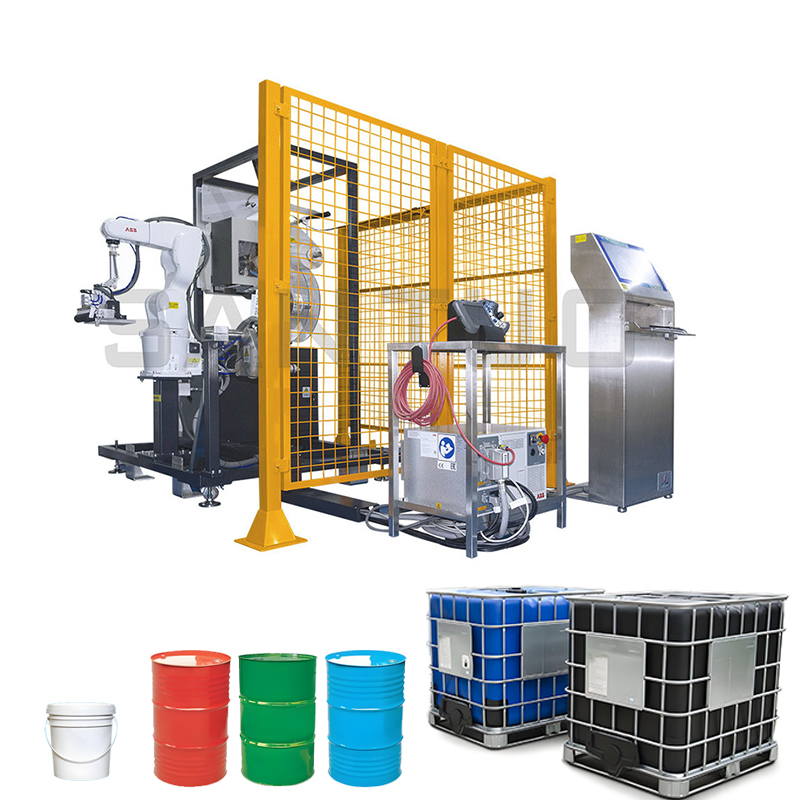
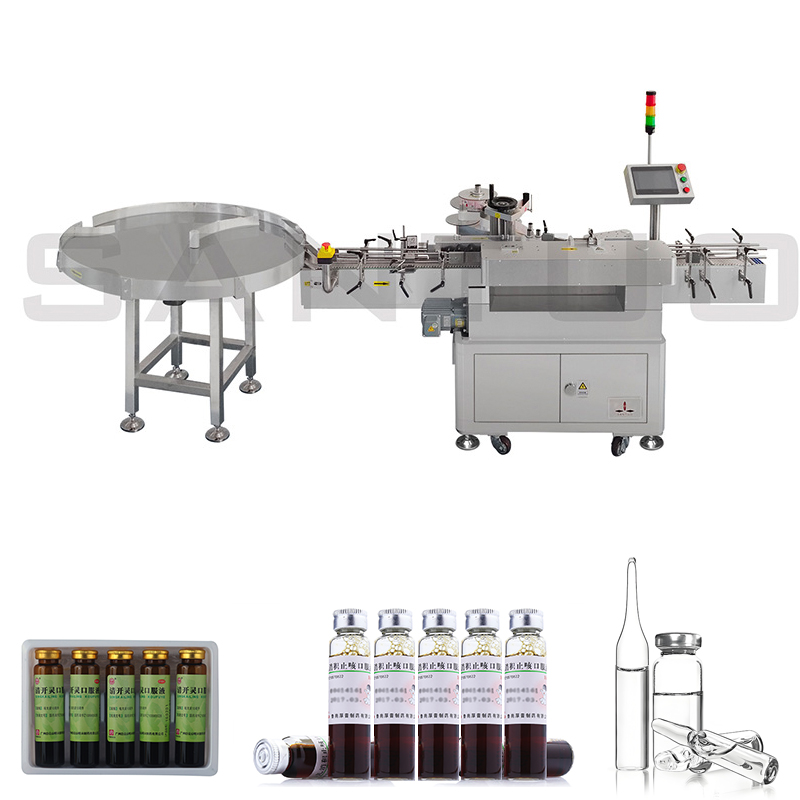
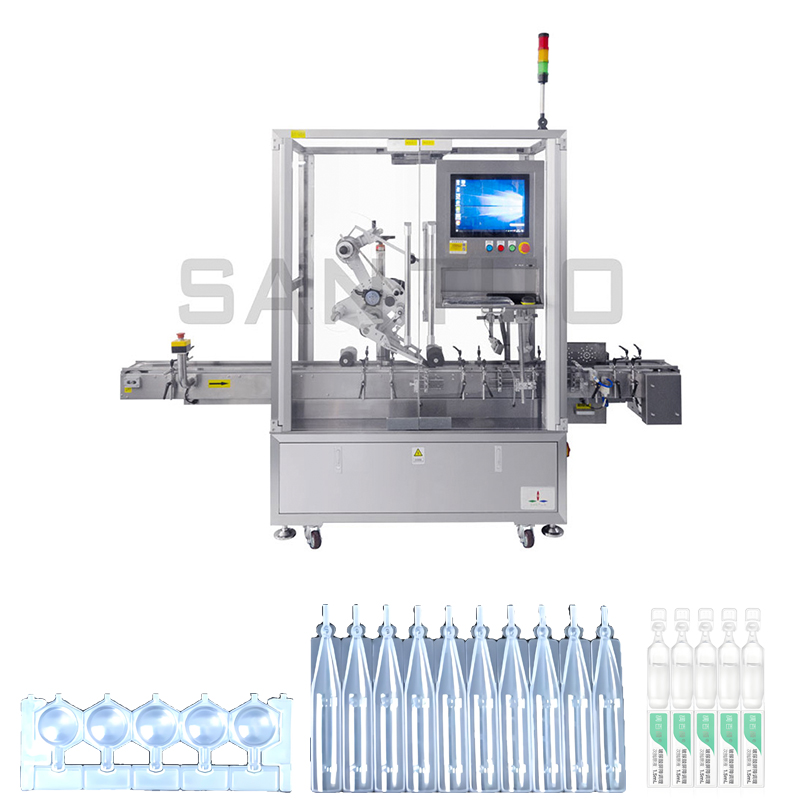
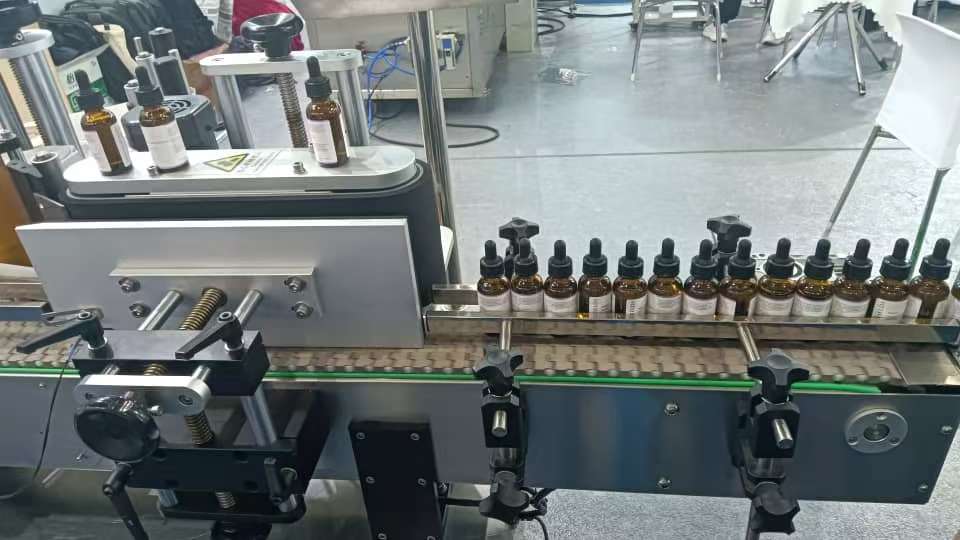
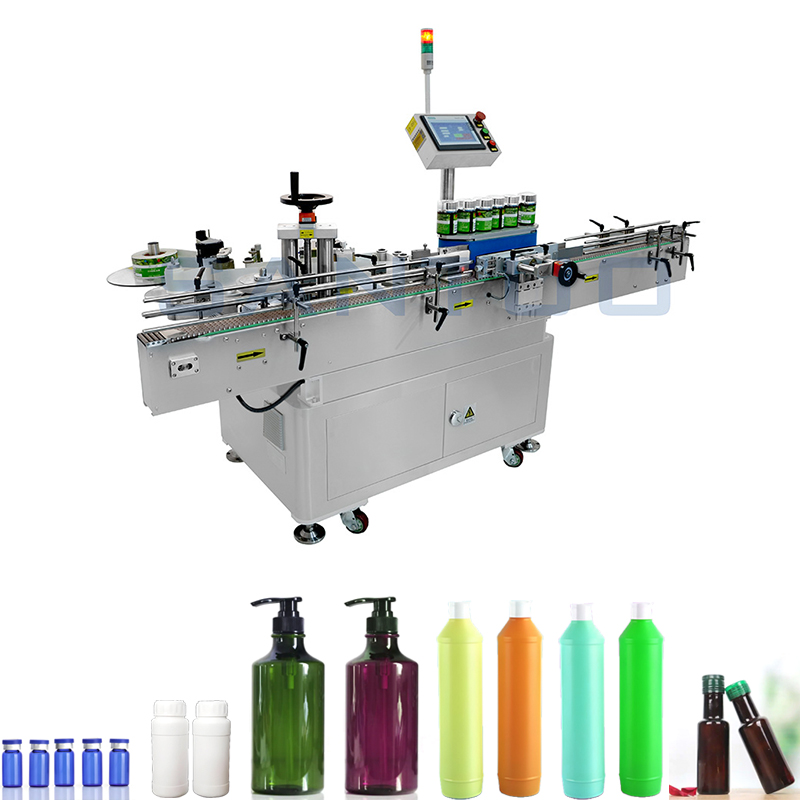
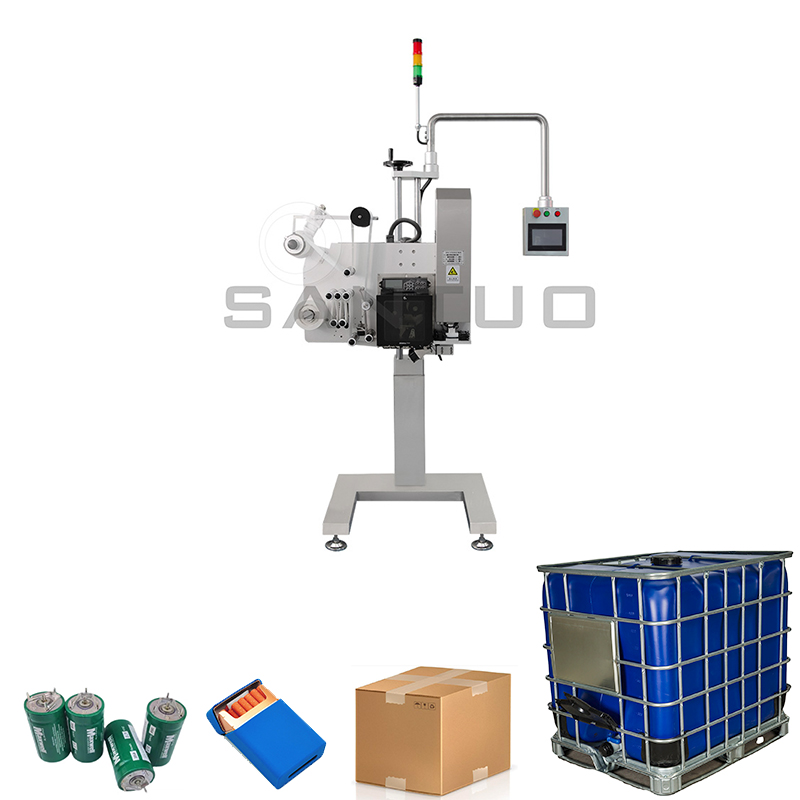
A simple wrap-around labeling system specifically designed for the need of the pharmaceutical industry for labeling on small vials. Optional inspection and rejection devices for missing or wrong code, missing labels to ensure output quality. Capacity up to 350ppm.
*The following content is generated by AI and is for reference only.
The vertical wrap-around labeling system is a specialized piece of industrial automation equipment designed primarily for the pharmaceutical and healthcare manufacturing sectors. Its core function is to apply labels precisely around cylindrical containers, such as vials, bottles, and ampoules, moving them from a horizontal orientation to a vertical one during the process. This unique mechanism ensures high-speed, accurate application without damaging delicate packaging, which is critical in an industry where product integrity and regulatory compliance are paramount.
These systems are engineered to handle various container sizes with minimal changeover time, allowing manufacturers to switch between different product lines efficiently. The machines typically feature advanced servo-driven controls that synchronize label dispensing with container movement, guaranteeing consistent placement on all sides. They often integrate seamlessly with existing production lines, including filling, capping, and inspection stations, creating a fully automated workflow that reduces labor costs and minimizes human error.
When operating this equipment, several safety and maintenance precautions must be observed. Operators should strictly follow lockout/tagout procedures during any cleaning or maintenance activities to prevent accidental activation. Regular inspection of the labeling head, sensors, and conveyor belts is essential to maintain precision; even minor misalignments can lead to costly rework or non-compliance issues. Additionally, the environment must be kept clean to prevent dust or debris from interfering with sensitive optical sensors or adhesive mechanisms.
Given the strict regulations governing pharmaceutical packaging, the system must be validated according to Good Manufacturing Practice (GMP) standards. It is crucial to ensure that all materials contacting the product, such as adhesive rolls and conveyor surfaces, meet sanitary requirements. Personnel must be trained not only on machine operation but also on troubleshooting common faults like label jamming or peeling errors. By adhering to these operational guidelines, facilities can maximize throughput while ensuring every labeled unit meets rigorous quality and safety benchmarks required by global health authorities.





 (All Rights Reserved)