Product Description
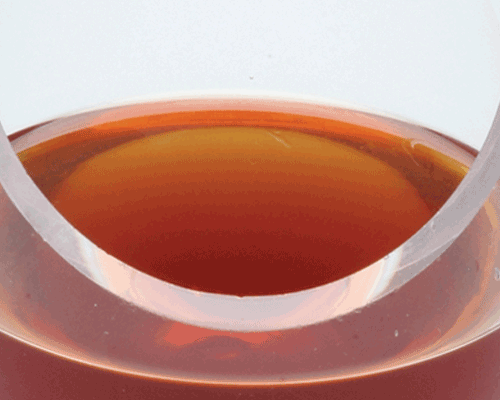
99% Appearance:colorless to slightly yellow oily liquid
Mainly used in the synthesis of pesticide, medicines, dyes and other organic substances
200kg steel-plastic composite drum.
CAS NO.: 100-63-0
Molecular Formula: C6H8N2
Molecular Weight: 108.14
AI Product Description
*The following content is generated by AI and is for reference only.
Phenylhydrazine, typically supplied at a purity of 92%, is a vital organic compound widely utilized in chemical synthesis and pharmaceutical manufacturing. With the molecular formula C6H8N2 and a molecular weight of approximately 108.14 g/mol, this substance appears as a colorless to yellowish liquid that darkens upon exposure to air or light due to oxidation. Its primary CAS Registry Number is 100-63-0, which serves as its unique identifier for regulatory compliance, safety data sheets, and inventory management across global supply chains.
The compound consists of a phenyl group attached to a hydrazine moiety, granting it unique reactivity profiles essential for various industrial applications. One of its most significant roles lies in the synthesis of heterocyclic compounds, particularly indoles and pyrazoles, which are fundamental structural motifs found in numerous bioactive drugs. Consequently, phenylhydrazine is extensively employed in the production of antipyretics, analgesics, and sulfa drugs. It also plays a crucial part in the analysis of carbohydrates, where it reacts with reducing sugars to form osazones, aiding in the identification and characterization of sugar structures in analytical laboratories.
Beyond pharmaceuticals, this reagent finds utility in the dye industry, serving as an intermediate for azo dyes and pigments used in textiles and plastics. However, handling 92% phenylhydrazine requires strict adherence to safety protocols. It is classified as toxic, corrosive, and potentially carcinogenic. The substance can be absorbed through the skin and is harmful if inhaled or swallowed. Proper personal protective equipment, including gloves, goggles, and respiratory protection, along with operation within a fume hood, is mandatory to mitigate health risks. Furthermore, it must be stored in tightly sealed containers away from oxidizing agents and strong acids to prevent hazardous reactions. Due to its sensitivity to light and air, storage conditions often necessitate cool, dark environments to maintain stability and purity levels. Overall, while 92% phenylhydrazine is an indispensable tool in modern chemistry for constructing complex molecular architectures, its application demands rigorous safety measures to protect both personnel and the environment.





 (All Rights Reserved)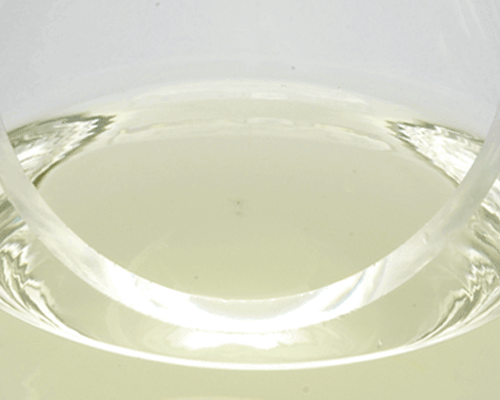

![4-[[[[6-[(Diethylamino)methyl]-2-naphthalenylmethoxy]carbonyllaminolbenzoic acid](https://eimg.pharmasources.com/image/20241206/xJCFsdgfMrHzqjtgeOixhGQHgVbKi7kAcoEqemzE.jpg)