Product Description
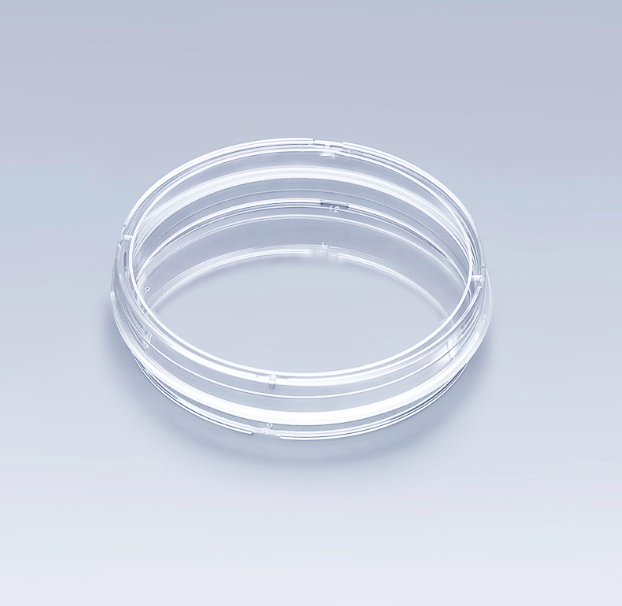
The cell culture dish is made of pure medical grade polystyrene material, which is subject to strict process control and ergonomic design to maximize the safety, efficiency and convenience of cell culture experiment to meet the needs of all users.
AI Product Description
*The following content is generated by AI and is for reference only.
The 90mm cell culture dish is a fundamental laboratory tool designed for the in vitro cultivation of adherent and suspension cells. With a standard surface area optimized for routine experiments, this vessel provides an ideal environment for cell proliferation, differentiation studies, and drug screening. Its flat bottom ensures uniform cell attachment and facilitates high-quality microscopic observation, while the transparent polystyrene material allows for easy monitoring of confluency without disturbing the culture.
These dishes are typically manufactured from tissue-culture treated (TC) polystyrene, which features a hydrophilic surface modified to enhance protein adsorption and promote robust cell adhesion. The TC treatment is critical for anchorage-dependent cells, ensuring they spread properly and maintain physiological function during growth. The standard 90mm diameter offers a balance between sufficient growth area and efficient reagent usage, making it suitable for both small-scale assays and larger protein or RNA extractions.
Several key precautions must be observed to ensure experimental success and sterility. First, always handle dishes within a laminar flow hood to prevent microbial contamination. Avoid touching the inner surface of the dish with gloves or tools, as oils can inhibit cell growth. When adding media, pour gently along the wall to minimize bubble formation, which can disrupt cell monolayers. Furthermore, do not overfill the dish; maintaining the recommended liquid volume prevents overflow during incubation and ensures proper gas exchange.
Incubation should occur at 37°C in a humidified atmosphere containing 5% CO2 to maintain physiological pH. Regularly inspect cultures for signs of contamination, such as turbidity or unexpected color changes in the medium. Before disposal, treat all used dishes according to local biohazard regulations, especially if working with pathogenic agents. Proper storage in a dry, dust-free environment prior to use is also essential to preserve the integrity of the sterile packaging and surface treatment. Adhering to these guidelines ensures reproducible results and maximizes the lifespan of cultured cells.





 (All Rights Reserved)