Product Description
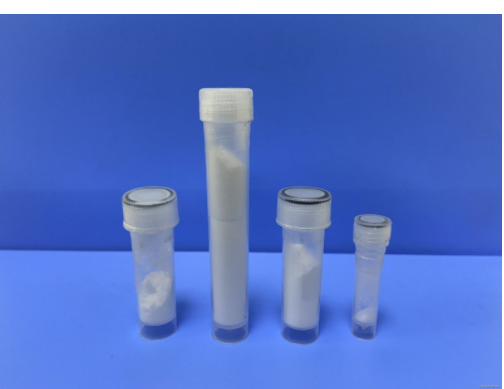
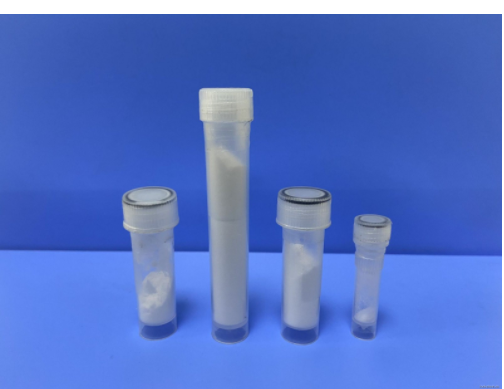
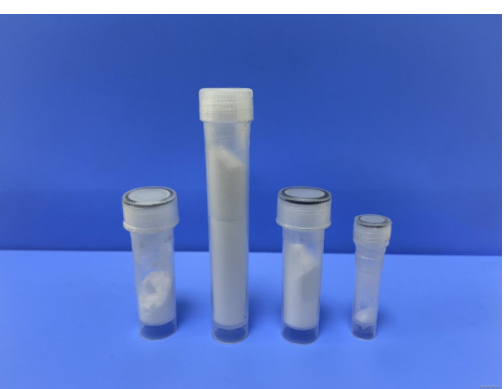
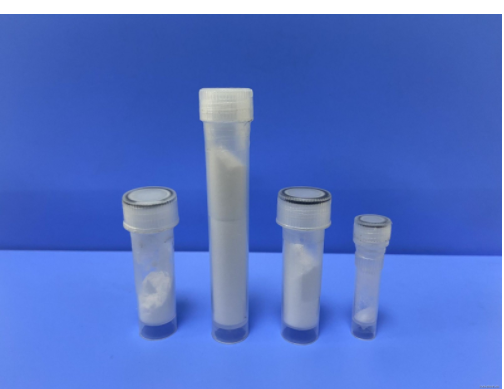
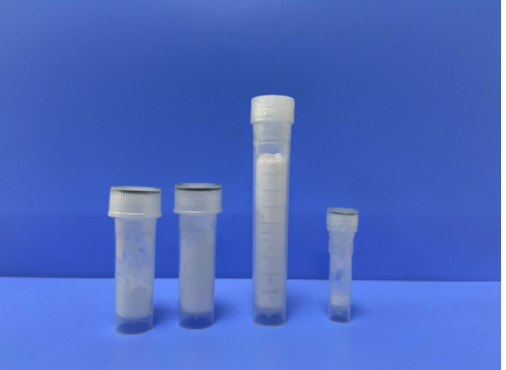
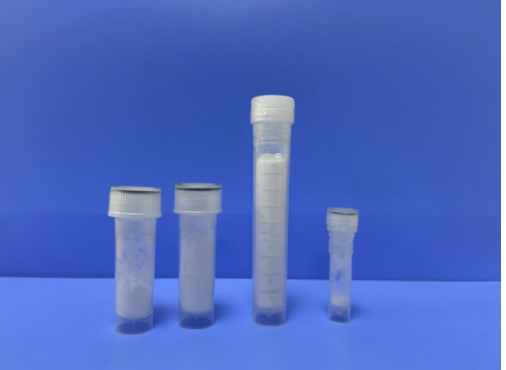
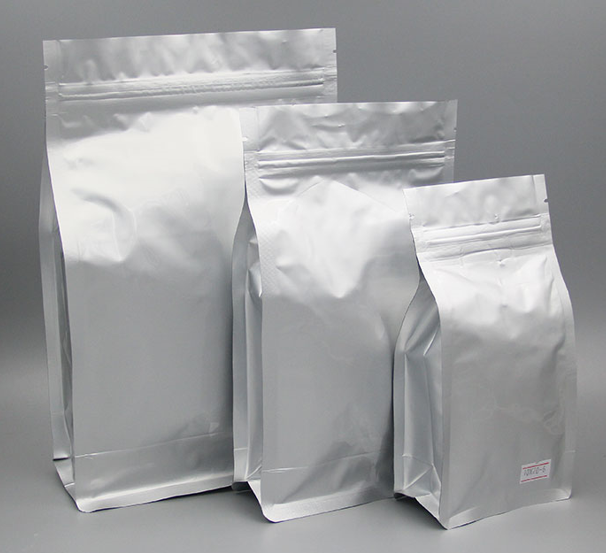
Brand: Gutuo Appearance: white solid Storage: shading, cool and dry, sealed and stored Purity: ≥99% Main use: pharmaceutical intermediates Executive standard: enterprise standard Specification: 25kg/barrel or 1kg/bag (subject to customer requirements) Sales scope: nationwide
AI Product Description
*The following content is generated by AI and is for reference only.
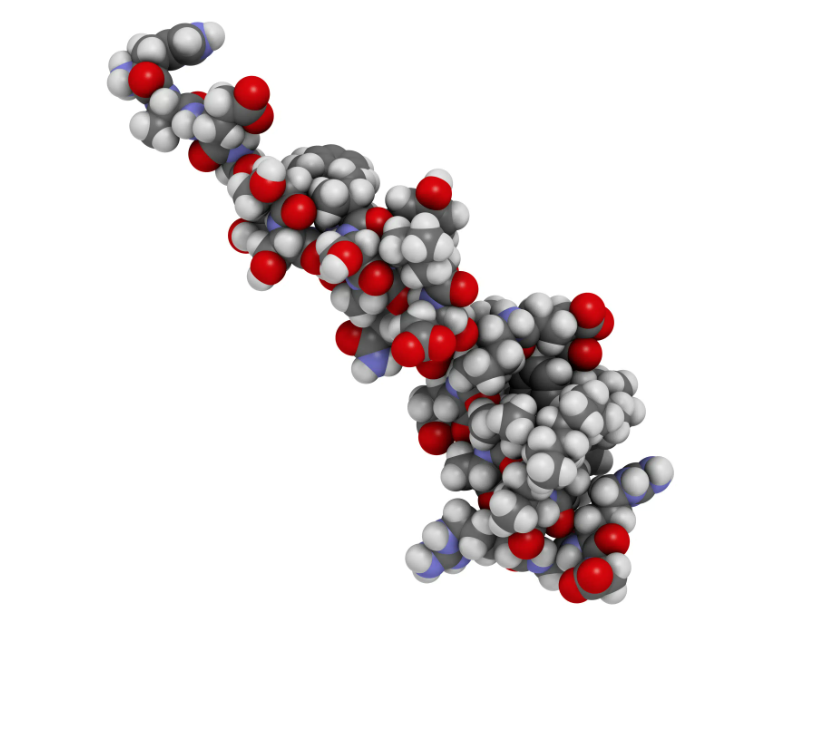
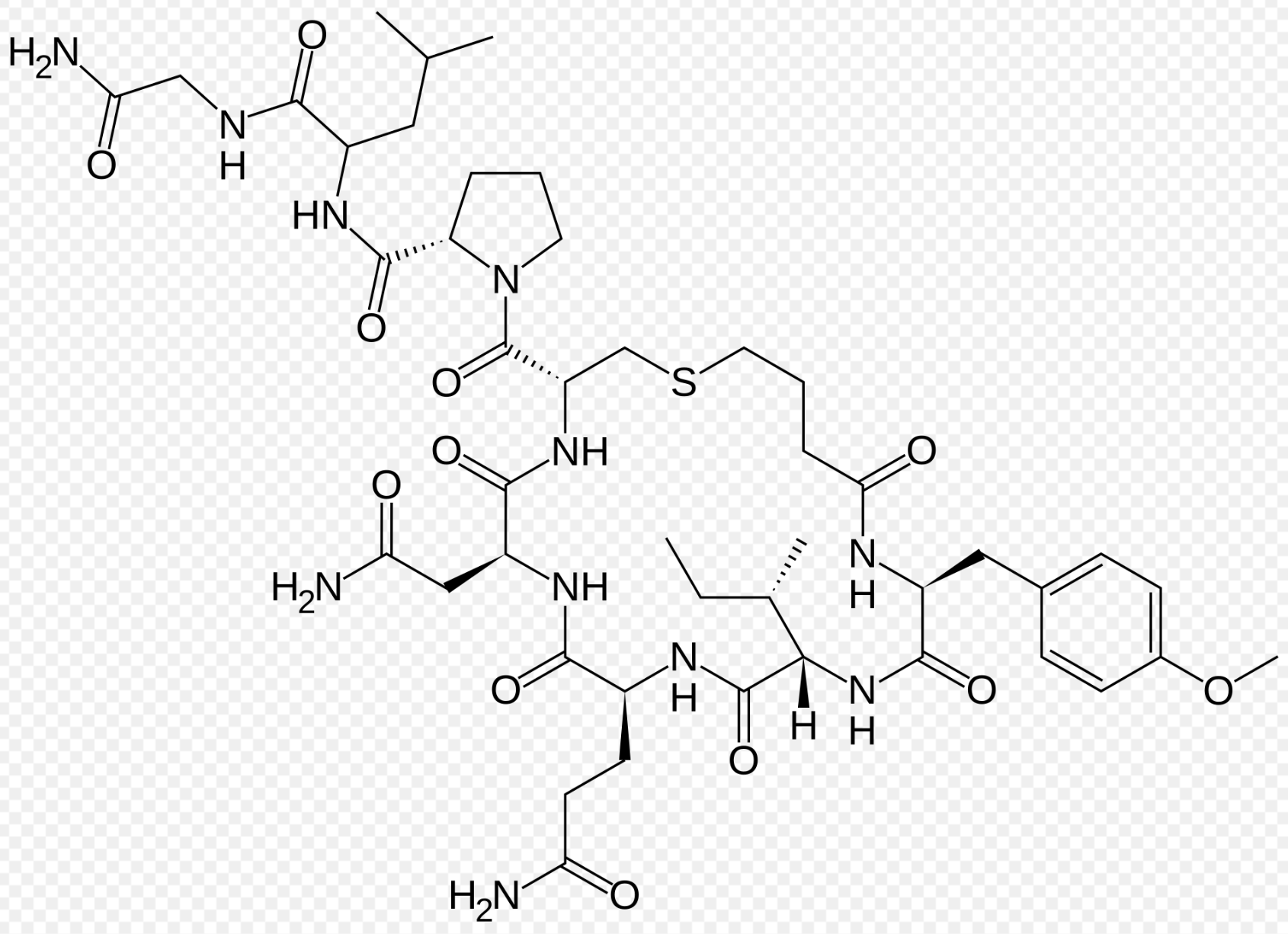
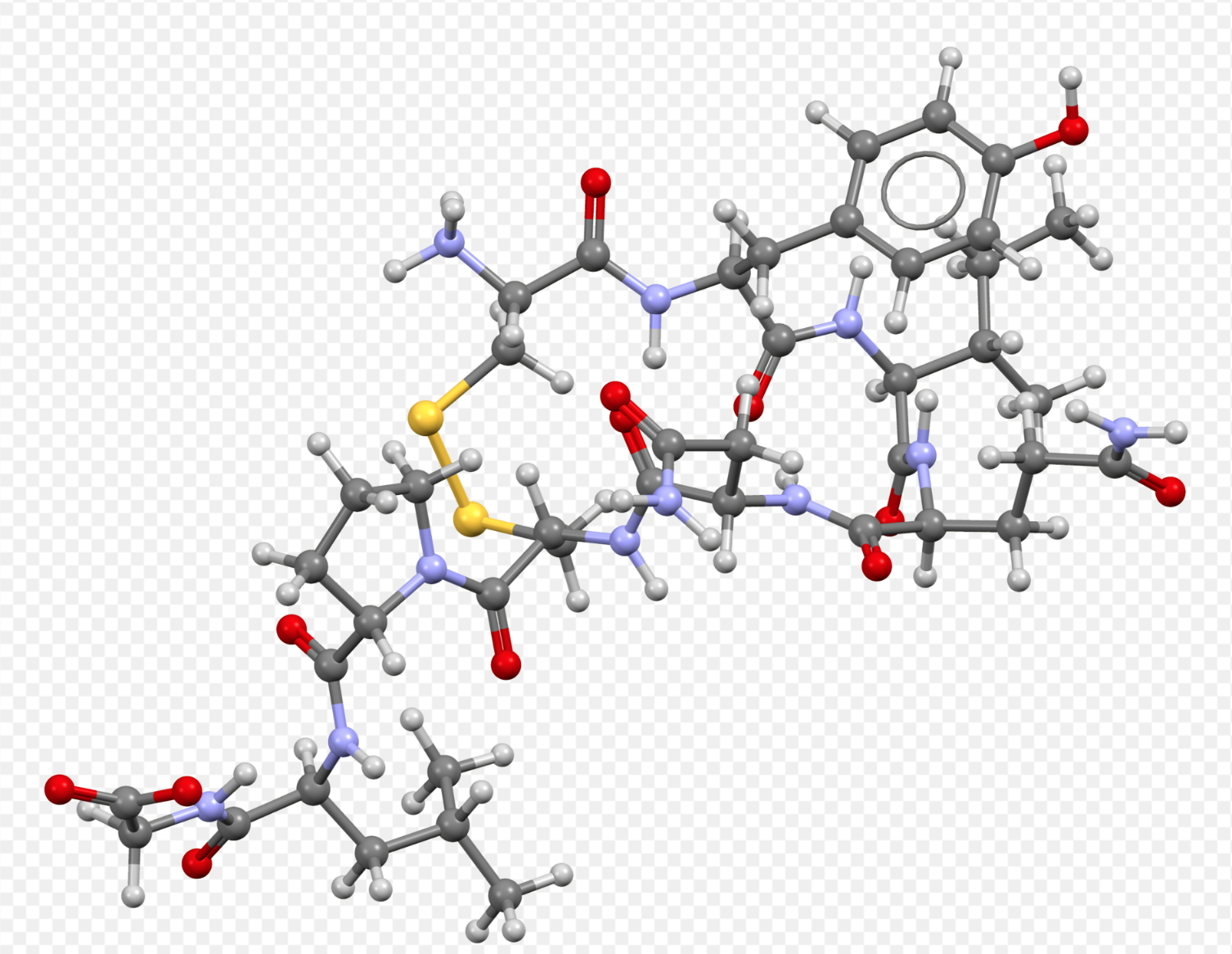
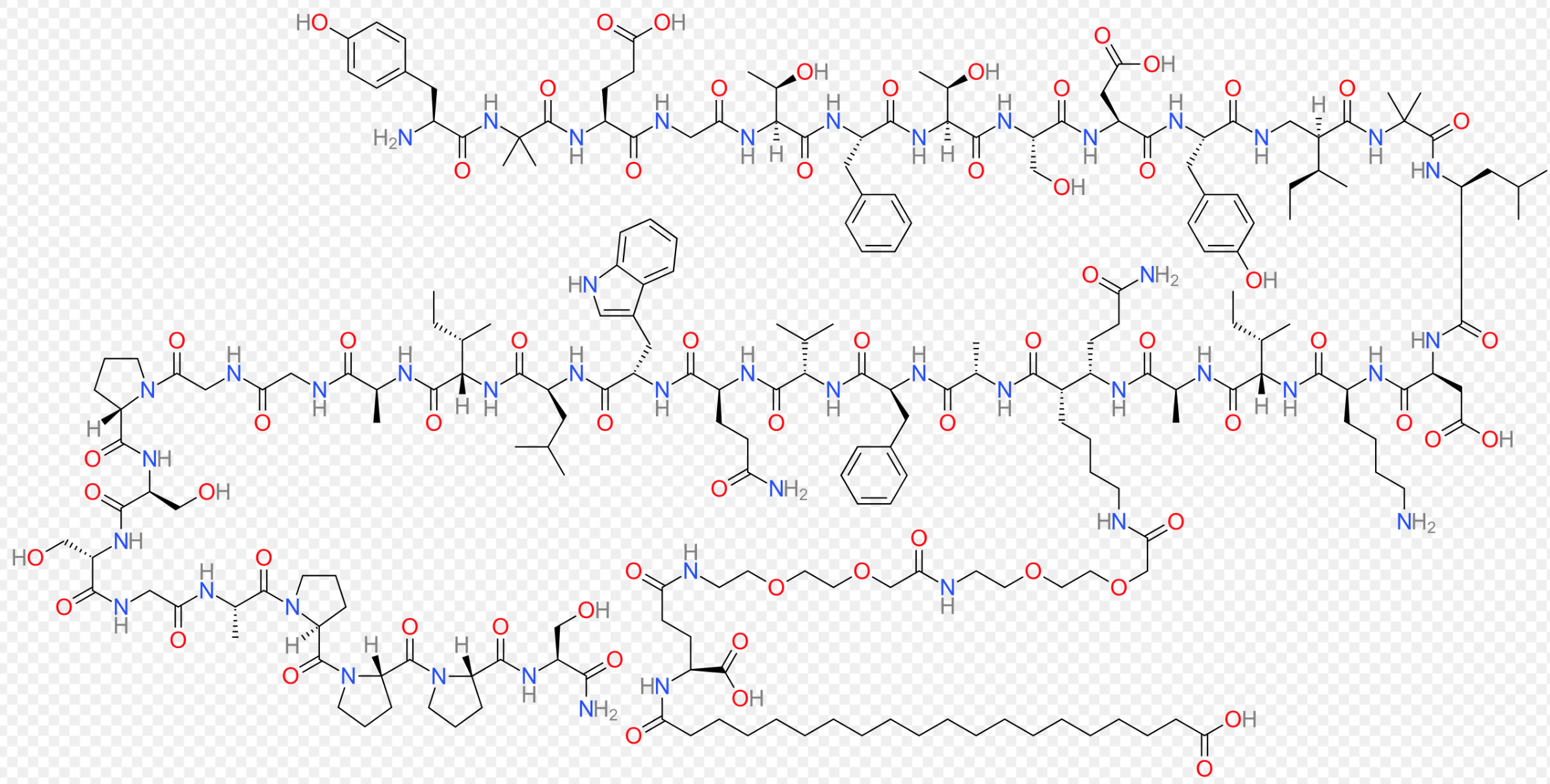
Glucagon-like peptide-1 (GLP-1), specifically the human variant, is a potent incretin hormone derived from the proglucagon gene. Its catalog identifier, 7-37-Glucagon-like peptide I (human), refers to the full-length active form of this peptide, which plays a pivotal role in glucose homeostasis and energy balance. The molecular formula for human GLP-1(7-37) is C162H250N48O49S, reflecting its complex structure as a 31-amino acid polypeptide. While a specific CAS number is often associated with the synthetic or purified reagent rather than the endogenous protein itself, commercial suppliers typically assign unique identifiers for traceability; however, the core biological entity is universally recognized by its amino acid sequence: His-Ser-Gln-Gly-Thr-Phe-Thr-Ser-Asp-Leu-Ser-Lys-Gln-Met-Glu-Glu-Glu-Ala-Val-Arg-Leu-Phe-Ile-Glu-Trp-Leu-Lys-Asn-Gly-Gly-Pro-Ser.
This molecule serves as a critical therapeutic target in modern medicine, primarily for the management of type 2 diabetes and obesity. Upon secretion from intestinal L-cells in response to nutrient intake, GLP-1 binds to receptors on pancreatic beta cells, stimulating glucose-dependent insulin secretion while simultaneously suppressing glucagon release. This dual mechanism effectively lowers blood glucose levels without inducing hypoglycemia under normal physiological conditions. Furthermore, GLP-1 exerts significant effects on the central nervous system, promoting satiety and reducing food intake, which contributes to weight loss. It also delays gastric emptying, further moderating postprandial glucose excursions.
In research settings, recombinant human GLP-1(7-37) is an essential tool for studying metabolic pathways, receptor signaling mechanisms, and the development of novel anti-diabetic agents. Synthetic analogs and long-acting derivatives, such as liraglutide and semaglutide, have been engineered to resist degradation by dipeptidyl peptidase-4 (DPP-4), thereby extending their half-life and clinical efficacy. Consequently, understanding the properties of the native 7-37 form remains fundamental for advancing treatments that address the growing global burden of metabolic disorders. Its precise molecular definition ensures consistency in both preclinical studies and pharmaceutical applications, solidifying its status as a cornerstone of endocrinological research.





 (All Rights Reserved)