Product Description
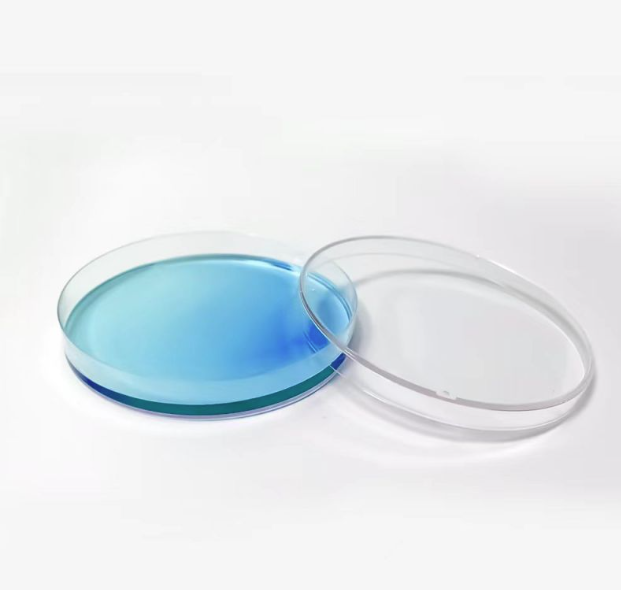
Optically clear sterile Petri dishes made from heavy-duty food-grade polystyrene. Features ethylene oxide (EO) sterilization, unvented design, and secure-fitting lids. The ultra-smooth surface and high transparency provide excellent visibility for laboratory, microbiology, and research applications.
AI Product Description
*The following content is generated by AI and is for reference only.
The 60mm sterile petri dish is a fundamental tool in microbiology, cell biology, and medical diagnostics, designed primarily for the cultivation and isolation of microorganisms. Constructed from high-grade polystyrene, these dishes offer excellent clarity and rigidity, allowing researchers to easily observe colony morphology, bacterial growth patterns, and cellular behaviors without interference. The standard 60mm diameter provides an optimal surface area-to-volume ratio for small-scale experiments, making them ideal for antibiotic susceptibility testing, environmental sampling, and educational demonstrations where space efficiency is crucial.
Sterility is a critical feature of these dishes. Manufactured under controlled clean-room conditions and typically sterilized via gamma radiation or ethylene oxide gas, they arrive ready for immediate use. This ensures that no external contaminants interfere with experimental results, which is vital for obtaining accurate data in clinical and research settings. The lids are designed with a slight overhang to prevent cross-contamination while still permitting adequate gas exchange necessary for aerobic microbial growth. Some models include a vented design or a specialized locking mechanism to further enhance airflow control depending on specific experimental requirements.
When handling these dishes, strict aseptic techniques must be followed to maintain their integrity. Users should always work within a laminar flow hood or near a flame source to minimize airborne contamination risks. It is important to avoid touching the inner surfaces of the dish or the lid, as skin oils and bacteria can compromise sterility. Additionally, while polystyrene is durable, excessive force during stacking or dropping can cause cracking, potentially leading to spills or exposure hazards. These dishes are generally intended for single-use applications; reusing them poses significant risks of cross-contamination and invalidates sterility assurances. Proper disposal requires placing used dishes into biohazard waste containers after appropriate decontamination procedures, such as autoclaving, have been completed. Always verify the expiration date before use, as prolonged storage may affect material properties or sterility. Adhering to these guidelines ensures reliable experimental outcomes and maintains laboratory safety standards effectively.





 (All Rights Reserved)