6-amino-1-methyl-3-methyl-5-nitrosouracil descriptions:
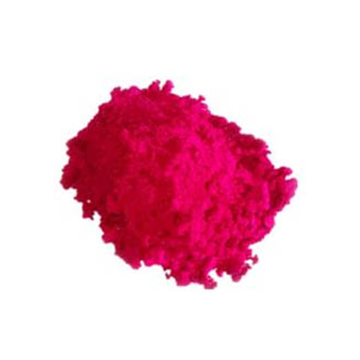
Apperance: Pink or shallow purple solid
Assay: 97%min
Dry weightlessness: 2.5%max
Reside on ignition: 3%max
Main usage:
It is used in Caffeine, theophylline, aminophylline materials, also used for dyestuff assister.
Packing:
25kg plastic woven bag
*The following content is generated by AI and is for reference only.
6-Amino-1-methyl-3-methyl-5-nitrosouracil is a specialized organic compound primarily utilized in advanced chemical research and pharmaceutical development. Although specific commercial databases may list variations or synonyms for this molecule, its structural identity places it within the class of nitrosated uracil derivatives. These compounds are of significant interest due to their potential role as intermediates in the synthesis of novel nucleoside analogs and antiviral agents. The presence of the nitroso group at the 5-position combined with amino and methyl substituents creates a unique electronic environment that facilitates various organic transformations, including cyclization reactions and reduction processes essential for drug design.
The molecular formula for this substance is typically C₅H₇N₃O₃, reflecting the arrangement of carbon, hydrogen, nitrogen, and oxygen atoms characteristic of substituted uracils. While exact CAS registry numbers can vary based on specific stereochemistry or hydration states, researchers often search for identifiers related to methylated nitrosouracils to locate high-purity samples for laboratory analysis. This compound serves as a critical building block in medicinal chemistry, particularly in studies exploring DNA/RNA interactions and mutagenicity mechanisms. Nitrosoureas and related derivatives have historically shown promise in oncology, making such precursors valuable for investigating new therapeutic pathways against cancerous cells.
In practical applications, scientists employ this reagent in controlled environments to synthesize complex heterocyclic systems. Its utility extends to material science as well, where its reactive properties might be leveraged in creating functional polymers or sensors. However, handling requires strict safety protocols due to the inherent instability and potential toxicity associated with nitroso groups. Laboratories must ensure proper ventilation and personal protective equipment when working with this material. As research into targeted therapies advances, derivatives like 6-amino-1-methyl-3-methyl-5-nitrosouracil continue to offer promising avenues for discovering more effective and selective pharmacological agents. Future studies will likely focus on optimizing synthesis routes to improve yield and purity, thereby expanding its accessibility for broader scientific inquiry and clinical translation.




 (All Rights Reserved)






![5,6,7,7a-Tetrahydro thieno[3,2-c]pyridin-2(4H)-one Hydrochloride](https://eimg.pharmasources.com/img_Cphi_en/Product/2016_02/Mimg_1602021058457992.jpg)
