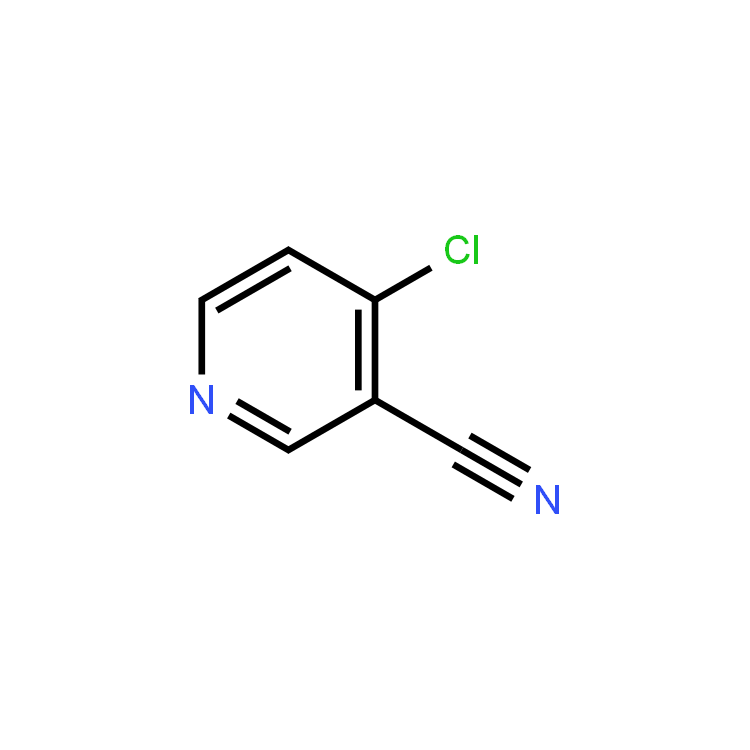
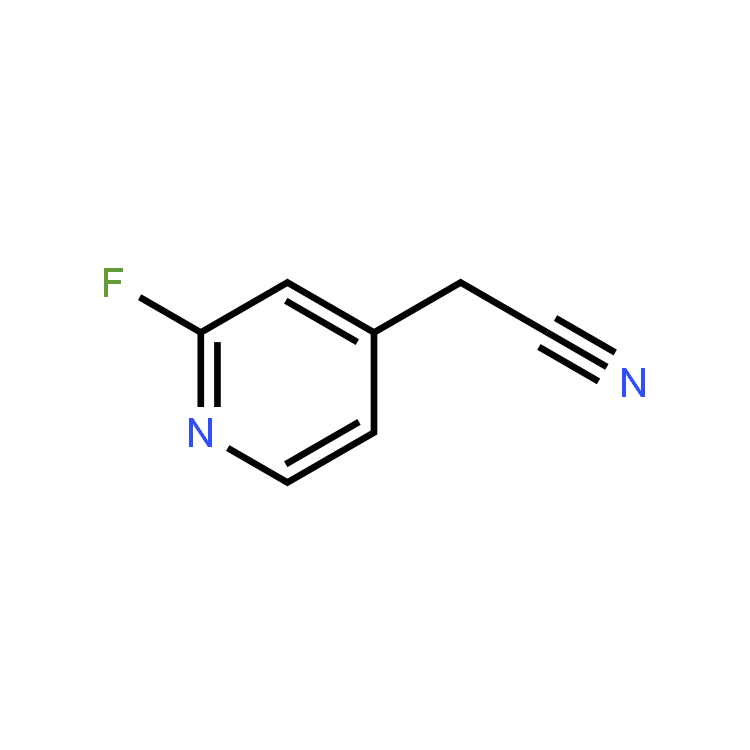
Product Description
Pharmaceutical
Raw Materials and Intermediates
AI Product Description
*The following content is generated by AI and is for reference only.
5,6,7,8-Tetrahydronaphthalene-1-carboxylic acid is a specialized organic compound belonging to the class of partially saturated naphthalene derivatives. With the molecular formula C₁₂H₁₄O₂ and a molecular weight of approximately 190.24 g/mol, this substance features a bicyclic structure where one aromatic ring has been hydrogenated, resulting in a tetrahydronaphthalene (tetralin) core substituted with a carboxylic acid group at the first position. Its primary CAS registry number is 3449-86-3, which serves as its unique identifier for chemical databases and regulatory compliance worldwide.
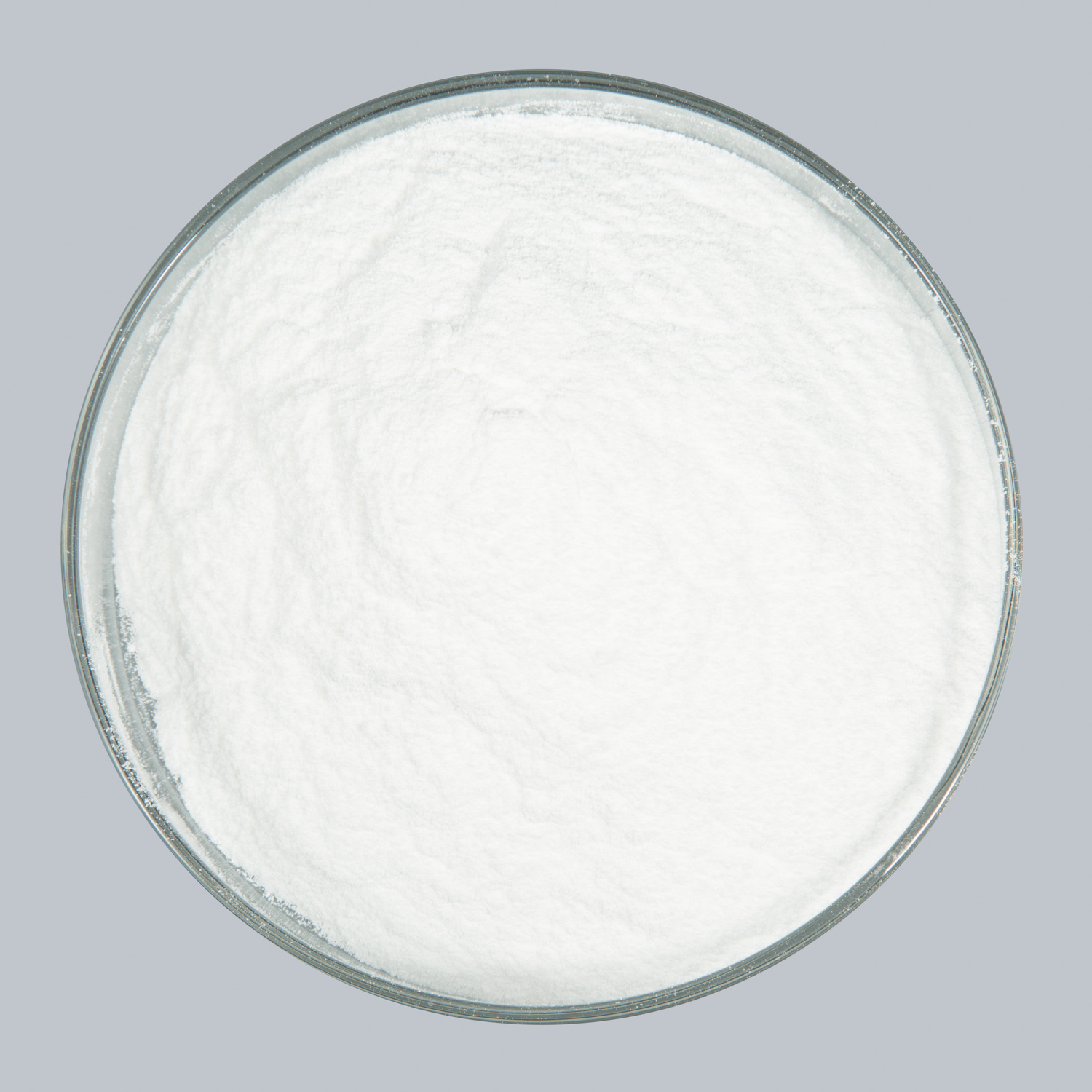
The physical properties of this compound typically include a white to off-white crystalline solid appearance under standard conditions. It exhibits moderate solubility in polar organic solvents such as ethanol, methanol, and dimethyl sulfoxide, while showing limited solubility in water due to its hydrophobic alkyl backbone. The presence of the carboxylic acid functionality imparts acidic characteristics, allowing it to participate in esterification, amidation, and salt formation reactions, making it a versatile intermediate in synthetic chemistry.
In terms of applications, 5,6,7,8-tetrahydronaphthalene-1-carboxylic acid is primarily utilized as a key building block in the pharmaceutical industry. It serves as a crucial precursor for the synthesis of various bioactive molecules, including non-steroidal anti-inflammatory drugs (NSAIDs), cardiovascular agents, and potential neuroprotective compounds. Researchers often employ this molecule to construct complex heterocyclic frameworks or to modify drug candidates to improve their metabolic stability and binding affinity. Additionally, it finds niche applications in the development of agrochemicals and advanced materials where specific structural motifs derived from tetralin systems are required. Due to its specific stereochemistry and reactivity profile, it is frequently used in academic research laboratories for mechanistic studies and method development in organic synthesis. While not a bulk commodity chemical, its value lies in its role as a high-purity intermediate for targeted medicinal chemistry projects. Handling requires standard laboratory safety precautions, including the use of personal protective equipment, as with most organic acids, to prevent skin irritation or inhalation hazards. Overall, this compound represents an essential tool for chemists aiming to synthesize next-generation therapeutic agents with optimized pharmacological profiles.





 (All Rights Reserved)
![6,8-Dioxo-5,7-diazaspiro[3.4]octane-2-carboxylic acid](https://eimg.pharmasources.com/image/product/20250403/02effeb5a7639bc84ff1f3add3c0c64fjpg)
![8-Oxa-1,3-diazaspiro[4.5]decane-2,4-dione](https://eimg.pharmasources.com/image/product/20250403/60fa7223d5a34f24138486ceea0ffb15jpg)
![8,16-Diazadispiro[6.1.6.2]heptadecan-17-one](https://eimg.pharmasources.com/image/product/20250403/ca91cba8b87e53fc879f8d8764873a40jpg)