Product Description
1.Produced in 100,000 class clean room ,DNase, RNase, and pyrogen free.
2.Sterilized by E-bean and verified by SGS.
4.Medical grade polypropylene (PP) raw material, conforming to USP VI, chemical resistant
5.Advanced production process, smooth inner wall, low retention, black tips are conductive
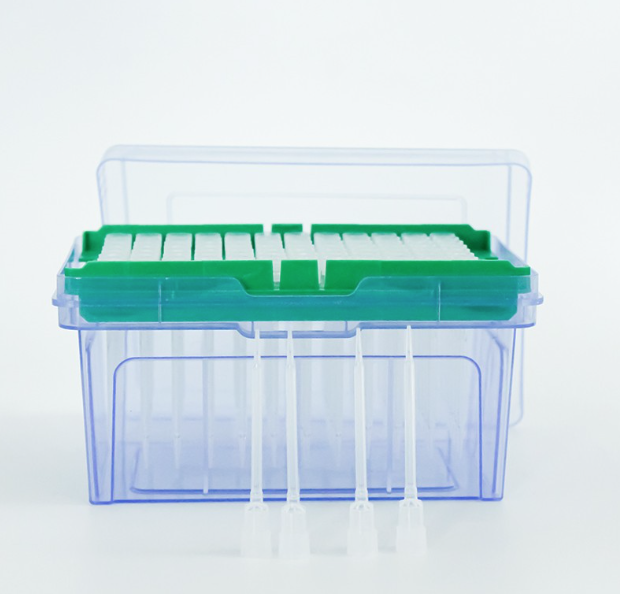
5.With filter /without filter, 96pcs/rack
6.ISO 13485 and CE certified
AI Product Description
*The following content is generated by AI and is for reference only.
High-precision, low-retention pipette tips are essential consumables designed to ensure accuracy and reproducibility in liquid handling workflows across diverse laboratory applications. These tips are engineered with advanced manufacturing techniques to minimize sample loss due to adhesion, making them ideal for handling viscous fluids, small volumes, or expensive reagents where every microliter counts. Their primary function is to facilitate the precise aspiration and dispensing of liquids when paired with compatible electronic or manual pipettes, thereby reducing cross-contamination risks and improving overall experimental reliability.
Constructed from high-quality, medical-grade polypropylene, these tips offer superior chemical resistance against a wide range of solvents, acids, and bases commonly used in molecular biology, biochemistry, and clinical diagnostics. The design often includes a conical shape that ensures a tight seal with the pipette shaft, preventing air leaks and ensuring consistent volume delivery. Many modern variants feature filtered tips containing hydrophobic barriers to protect the pipette mechanism from aerosols, vapors, and potential contaminants, which is critical when working with sensitive biological samples or hazardous materials.
When utilizing these tips, several precautions should be observed to maintain optimal performance. First, always verify compatibility with your specific pipette brand and model to avoid fitment issues that could compromise data integrity. Second, store tips in a clean, dust-free environment away from direct sunlight and extreme temperatures to prevent material degradation. Third, avoid touching the tip interior with gloves or hands to prevent contamination. Finally, never reuse single-use tips, as this can lead to inaccurate volume measurements and significant cross-contamination between samples. Proper disposal according to local biohazard regulations is also mandatory after use with infectious agents. By adhering to these guidelines and selecting the appropriate tip type for the specific application, researchers can significantly enhance the quality and consistency of their experimental results while safeguarding both equipment and personnel safety.





 (All Rights Reserved)