Product Description
Pharmaceutical
Raw Materials and Intermediates
AI Product Description
*The following content is generated by AI and is for reference only.
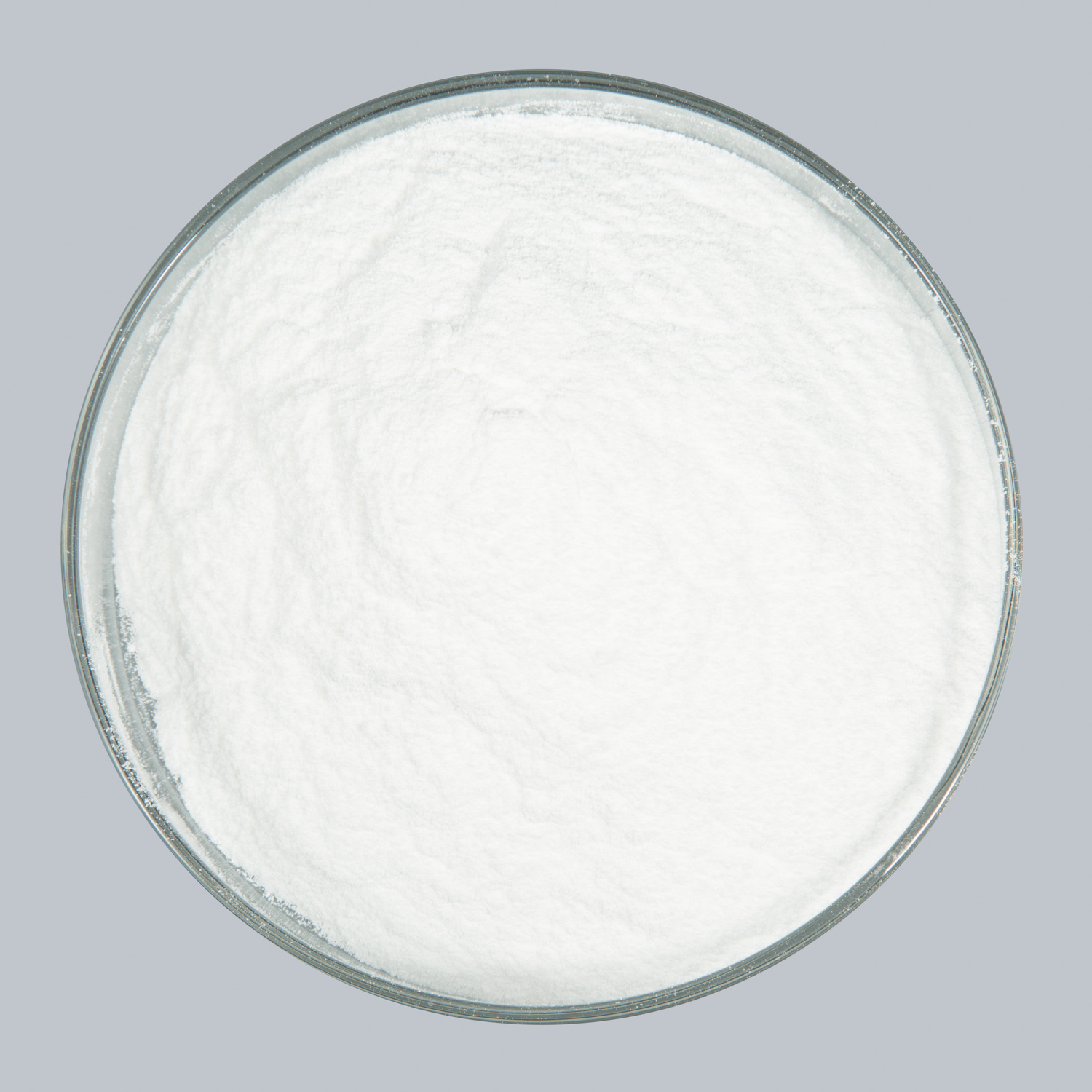
5-Sulfosalicylic acid, chemically known as 2-hydroxy-5-sulfobenzoic acid, is a versatile organic compound widely utilized in both industrial and laboratory settings. With the molecular formula C7H6O6S and a CAS registry number of 97-03-6, this white crystalline powder exhibits excellent solubility in water and alcohol, making it an ideal reagent for various chemical applications. Its distinct chemical structure features a benzene ring substituted with hydroxyl, carboxyl, and sulfonic acid groups, which endows it with strong chelating properties and acidity.
In clinical diagnostics, 5-sulfosalicylic acid serves as a critical reagent for protein precipitation. It is frequently employed to detect and quantify proteins in urine samples, aiding in the diagnosis of renal diseases such as nephritis or glomerular damage. By causing proteins to precipitate out of solution, it allows for clear visual assessment or spectrophotometric analysis, ensuring accurate medical evaluations. Beyond healthcare, the compound acts as a powerful metal ion chelator in analytical chemistry. It effectively binds with transition metals like iron, copper, and aluminum, facilitating their separation and determination in complex mixtures. This property is invaluable in environmental testing and wastewater treatment processes where heavy metal removal is essential.
Industrially, 5-sulfosalicylic acid finds application as an intermediate in the synthesis of dyes, pigments, and pharmaceuticals. It contributes to the production of specific herbicides and fungicides due to its reactive nature. Furthermore, it is used in electroplating baths to stabilize metal ions and improve coating quality. In research laboratories, it functions as a buffer component and a catalyst in various organic transformations. Its ability to form stable complexes makes it useful in studying coordination chemistry. Safety protocols require handling with care, as it can be irritating to skin and eyes, necessitating appropriate personal protective equipment during use. Overall, 5-sulfosalicylic acid remains a fundamental chemical tool bridging medical diagnostics, industrial manufacturing, and scientific research through its unique multifunctional capabilities.





 (All Rights Reserved)
![8,16-Diazadispiro[6.1.6.2]heptadecan-17-one](https://eimg.pharmasources.com/image/product/20250403/ca91cba8b87e53fc879f8d8764873a40jpg)
![8-Oxa-1,3-diazaspiro[4.5]decane-2,4-dione](https://eimg.pharmasources.com/image/product/20250403/60fa7223d5a34f24138486ceea0ffb15jpg)
![6,8-Dioxo-5,7-diazaspiro[3.4]octane-2-carboxylic acid](https://eimg.pharmasources.com/image/product/20250403/02effeb5a7639bc84ff1f3add3c0c64fjpg)