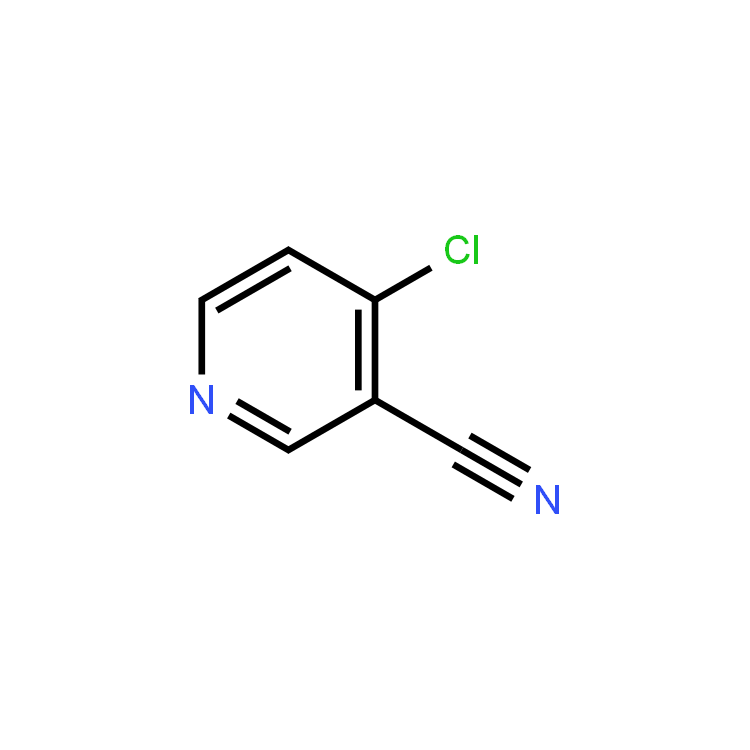
Product Description
Pharmaceutical
Raw Materials and Intermediates
AI Product Description
*The following content is generated by AI and is for reference only.
5-Hydroxymethyluracil, chemically known as 5-(hydroxymethyl)pyrimidine-2,4-dione, is a specialized heterocyclic compound widely recognized in the fields of biochemistry, molecular biology, and pharmaceutical research. With the molecular formula C₅H₆N₂O₃ and a precise molecular weight of approximately 142.11 g/mol, this substance serves as a crucial derivative of uracil, featuring a hydroxymethyl group attached to the fifth carbon position of the pyrimidine ring. The standard CAS registry number for 5-Hydroxymethyluracil is 967-09-3, which ensures its unique identification across global chemical databases and safety documentation.
In terms of applications, 5-Hydroxymethyluracil plays a significant role as an intermediate in the synthesis of various nucleoside analogs and modified bases used in therapeutic agents. It is frequently employed in the development of antiviral drugs and anticancer therapies, where structural modifications of natural nucleobases are essential for inhibiting viral replication or tumor cell proliferation. Furthermore, researchers utilize this compound as a stable marker in metabolic studies to track DNA repair mechanisms and oxidative stress responses within cellular environments. Its presence can indicate specific enzymatic activities involving thymine metabolism or radiation-induced damage.
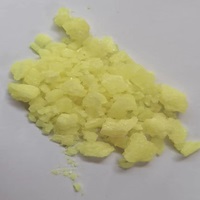
The compound is typically supplied as a high-purity white crystalline powder, requiring storage under cool, dry conditions to maintain stability and prevent degradation. While not a naturally abundant metabolite like its parent base, it is often synthesized through controlled oxidation processes or incorporated into oligonucleotide sequences for advanced genomic sequencing technologies. In industrial settings, it supports the production of specialty chemicals and fine intermediates for agrochemical formulations. Safety data sheets emphasize handling precautions due to potential irritation, though it is generally considered safe when managed according to laboratory standards. As research into epigenetics and synthetic biology expands, the utility of 5-hydroxymethyluracil continues to grow, offering valuable insights into nucleic acid chemistry and drug design strategies. Its versatility makes it an indispensable reagent for scientists aiming to manipulate genetic material or develop next-generation therapeutics with enhanced specificity and efficacy.





 (All Rights Reserved)
![6,8-Dioxo-5,7-diazaspiro[3.4]octane-2-carboxylic acid](https://eimg.pharmasources.com/image/product/20250403/02effeb5a7639bc84ff1f3add3c0c64fjpg)
![8-Oxa-1,3-diazaspiro[4.5]decane-2,4-dione](https://eimg.pharmasources.com/image/product/20250403/60fa7223d5a34f24138486ceea0ffb15jpg)
![8,16-Diazadispiro[6.1.6.2]heptadecan-17-one](https://eimg.pharmasources.com/image/product/20250403/ca91cba8b87e53fc879f8d8764873a40jpg)