*The following content is generated by AI and is for reference only.
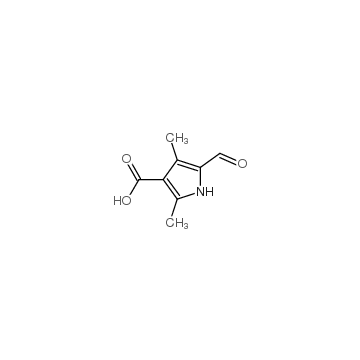
5-Formyl-2,4-dimethyl-1H-pyrrole-3-carboxylic acid is a specialized heterocyclic compound widely recognized in organic synthesis and medicinal chemistry. With the molecular formula C8H9NO3 and a molecular weight of approximately 167.16 g/mol, this molecule features a pyrrole core substituted with formyl, two methyl groups, and a carboxylic acid moiety. Although specific commercial Catalog CAS numbers may vary slightly depending on the supplier or purity grade, it is generally associated with structures utilized for constructing complex nitrogen-containing frameworks. The compound serves as a critical building block for the development of bioactive molecules, particularly those targeting neurological disorders, anti-inflammatory pathways, and antimicrobial agents.
The presence of the aldehyde group at the 5-position and the carboxylic acid at the 3-position offers versatile synthetic handles for further functionalization. Chemists frequently employ this reagent in condensation reactions to synthesize porphyrin precursors, which are essential in photodynamic therapy research and artificial photosynthesis studies. Additionally, the dimethyl substitution pattern enhances the lipophilicity of the molecule, potentially improving its membrane permeability when incorporated into drug candidates. In academic laboratories, this pyrrole derivative is often used to probe reaction mechanisms involving electrophilic aromatic substitution or to create chiral catalysts. Its stability under standard laboratory conditions makes it an ideal intermediate for multi-step synthesis protocols. Researchers utilize it to generate novel heterocycles that mimic natural products, thereby accelerating the discovery of new pharmaceutical leads. While not a bulk commodity chemical, its niche application in high-value fine chemical production ensures steady demand within the research sector. Suppliers typically provide this material in high purity grades suitable for analytical and preparative purposes, ensuring consistent results in rigorous experimental settings. As the field of heterocyclic chemistry advances, derivatives like 5-formyl-2,4-dimethyl-1H-pyrrole-3-carboxylic acid remain pivotal tools for expanding the chemical space available to modern scientists.