Product Description
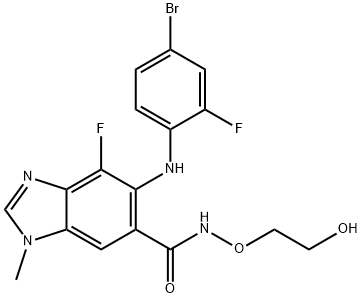
Binimetinib Cas No.606143-89-9
AI Product Description
*The following content is generated by AI and is for reference only.
Binimetinib, identified by the Chemical Abstracts Service (CAS) Registry Number 606143-89-9, is a potent and selective small-molecule inhibitor of mitogen-activated protein kinase kinase 1 and 2 (MEK1/2). With the molecular formula C27H27N5O2S, this compound functions as a critical therapeutic agent in the field of oncology. It acts by blocking the phosphorylation of MEK1 and MEK2, thereby inhibiting the downstream activation of extracellular signal-regulated kinases (ERK1/2). This mechanism effectively disrupts the RAS-RAF-MEK-ERK signaling pathway, which is frequently hyperactivated in various malignancies due to mutations in upstream components like BRAF or NRAS.
The primary clinical application of Binimetinib is in the treatment of adult patients with unresectable or metastatic melanoma harboring a BRAF V600E or V600K mutation. It is approved for use specifically in combination with dabrafenib, a BRAF inhibitor, to improve progression-free survival and overall response rates while mitigating the development of cutaneous squamous cell carcinomas often associated with single-agent BRAF inhibition. Beyond melanoma, Binimetinib has been investigated in clinical trials for other solid tumors exhibiting MAPK pathway alterations, including non-small cell lung cancer, colorectal cancer, and certain pediatric low-grade gliomas. Its high selectivity distinguishes it from earlier generation MEK inhibitors, offering a favorable safety profile with reduced incidence of specific adverse events such as cardiomyopathy and ocular toxicity, although common side effects still include diarrhea, nausea, fatigue, and rash.
As a precision medicine tool, Binimetinib represents a significant advancement in targeted cancer therapy, demonstrating how understanding molecular pathogenesis can lead to more effective treatments. By halting uncontrolled cell proliferation and promoting apoptosis in tumor cells dependent on the MAPK cascade, it provides a vital option for patients with advanced disease. Ongoing research continues to explore its potential in combination regimens with immunotherapies and other targeted agents to further enhance therapeutic outcomes across diverse cancer types. The availability of Binimetinib underscores the progress made in developing rational drug designs that specifically target driver mutations, transforming the landscape of modern oncology care.





 (All Rights Reserved)