Product Description
Pharmaceutical
Raw Materials and Intermediates
AI Product Description
*The following content is generated by AI and is for reference only.
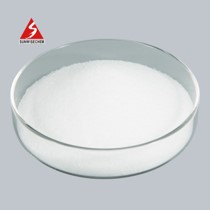
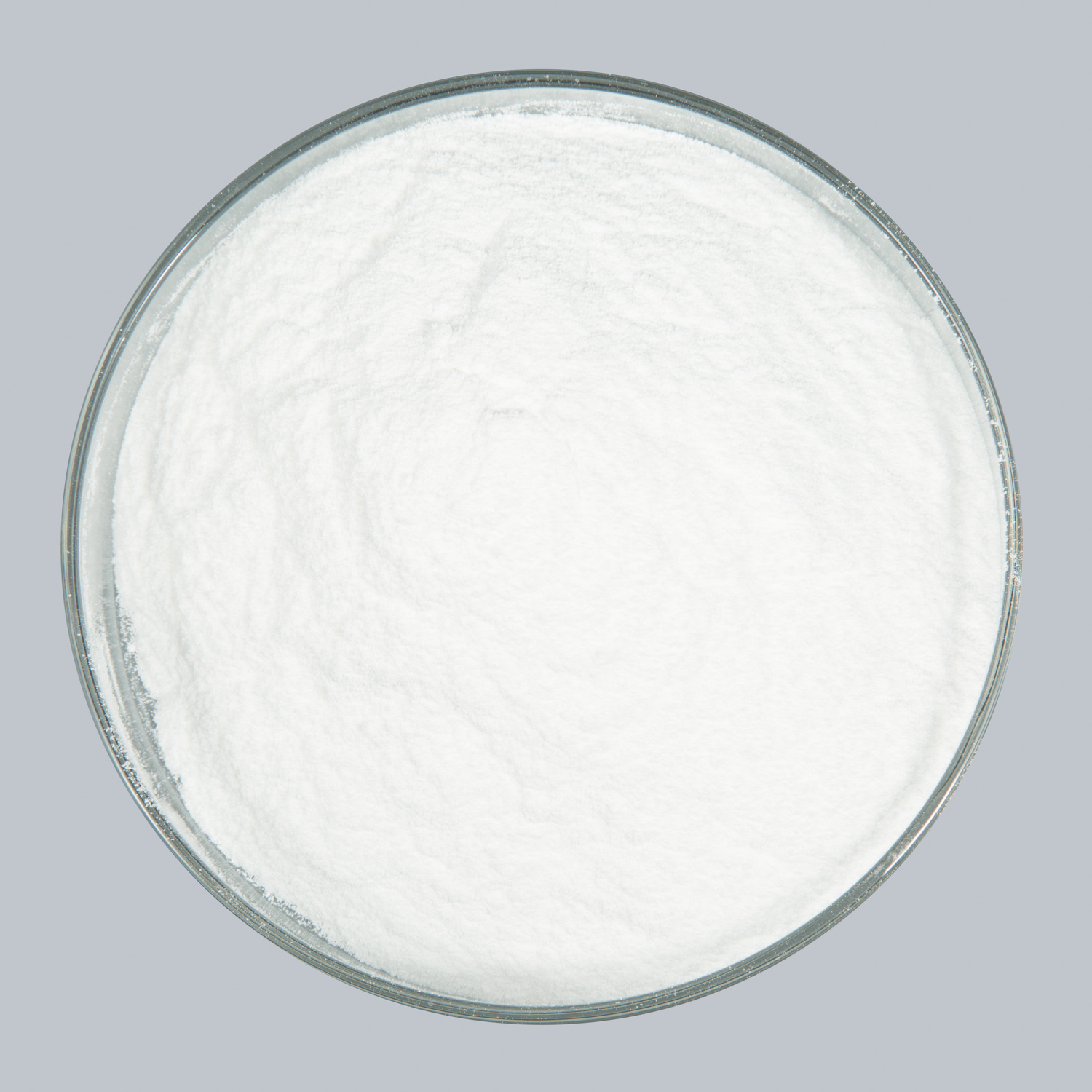
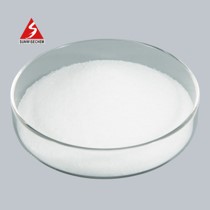
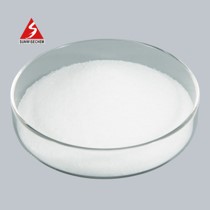
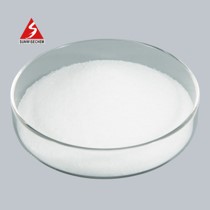
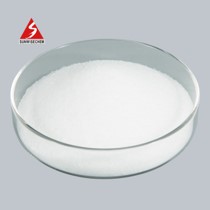
5-Bromouracil (5-BU), chemically designated as 5-bromo-2,4(1H,3H)-pyrimidinedione, is a synthetic pyrimidine analog with the molecular formula C4H3BrN2O2 and the CAS number 97-60-5. This white to pale yellow crystalline powder serves as a critical tool in biochemical research, primarily functioning as a base analog of thymine. Its most significant application lies in its ability to induce mutations during DNA replication. Due to its structural similarity to thymine, 5-BU can be incorporated into DNA strands in place of thymine. However, it exhibits unique tautomeric properties; while predominantly existing in the keto form which pairs with adenine, it can occasionally shift to an enol form that pairs with guanine. This property leads to transition mutations, specifically converting A-T base pairs to G-C pairs upon subsequent rounds of replication, making it a valuable agent for studying mutagenesis mechanisms and genetic stability.
Beyond fundamental genetics, 5-Bromouracil is utilized in the synthesis of various nucleosides and nucleotides, serving as a precursor for developing antiviral and anticancer drugs. Researchers employ it in pulse-labeling experiments to track DNA synthesis rates and study cell proliferation dynamics. In environmental science, it acts as a model compound for investigating halogenated organic pollutants and their degradation pathways. Although highly effective in laboratory settings, 5-BU requires careful handling due to its mutagenic nature, necessitating strict adherence to safety protocols to prevent unintended genetic alterations in experimental organisms. Its versatility extends to crystallography studies where it helps elucidate the structural details of DNA-protein interactions. As a standard reagent in molecular biology, 5-Bromouracil remains indispensable for advancing our understanding of genetic code fidelity, mutation induction, and the development of novel therapeutic agents targeting DNA replication machinery.



 (All Rights Reserved)
![8-Oxa-1,3-diazaspiro[4.5]decane-2,4-dione](https://eimg.pharmasources.com/image/product/20250403/60fa7223d5a34f24138486ceea0ffb15jpg)
![8,16-Diazadispiro[6.1.6.2]heptadecan-17-one](https://eimg.pharmasources.com/image/product/20250403/ca91cba8b87e53fc879f8d8764873a40jpg)
![6,8-Dioxo-5,7-diazaspiro[3.4]octane-2-carboxylic acid](https://eimg.pharmasources.com/image/product/20250403/02effeb5a7639bc84ff1f3add3c0c64fjpg)