Product Description
Pharmaceutical
Raw Materials and Intermediates
AI Product Description
*The following content is generated by AI and is for reference only.
5-Bromo-2-Cyanopyridine is a versatile heterocyclic building block widely utilized in modern organic synthesis and medicinal chemistry. With the chemical formula C6H3BrN2 and a molecular weight of approximately 171.01 g/mol, this compound features a pyridine ring substituted with both a bromine atom at the fifth position and a cyano group at the second position. Its primary CAS registry number is 4469-38-5, which serves as its unique identifier for chemical databases and regulatory compliance. The presence of the electron-withdrawing cyano group adjacent to the nitrogen atom significantly influences the reactivity of the pyridine ring, making it an ideal substrate for various nucleophilic substitutions and cross-coupling reactions.
In pharmaceutical research, 5-Bromo-2-Cyanopyridine plays a crucial role in the development of bioactive molecules. It serves as a key intermediate for synthesizing complex heterocycles, including quinolines, isoquinolines, and fused polycyclic systems often found in drug candidates targeting cancer, inflammation, and neurological disorders. The bromine substituent acts as a strategic handle for palladium-catalyzed cross-coupling reactions, such as Suzuki-Miyaura, Stille, or Sonogashira couplings, allowing chemists to introduce diverse aryl or alkynyl groups efficiently. This structural flexibility enables the rapid generation of library compounds for high-throughput screening in drug discovery programs.
Beyond pharmacology, this reagent finds applications in materials science, particularly in the synthesis of luminescent metal-organic frameworks (MOFs) and functional dyes. The cyano moiety can participate in coordination with metal centers or undergo hydrolysis to form carboxylic acids, further expanding its utility in polymer chemistry. Due to its stability under standard storage conditions and ease of handling, it is commercially available from major chemical suppliers globally. Researchers must adhere to safety protocols when handling this substance, as halogenated aromatic compounds can be irritants or toxic if inhaled or ingested. Overall, 5-Bromo-2-Cyanopyridine remains an indispensable tool for synthetic chemists aiming to construct sophisticated nitrogen-containing architectures with high precision and efficiency.





 (All Rights Reserved)
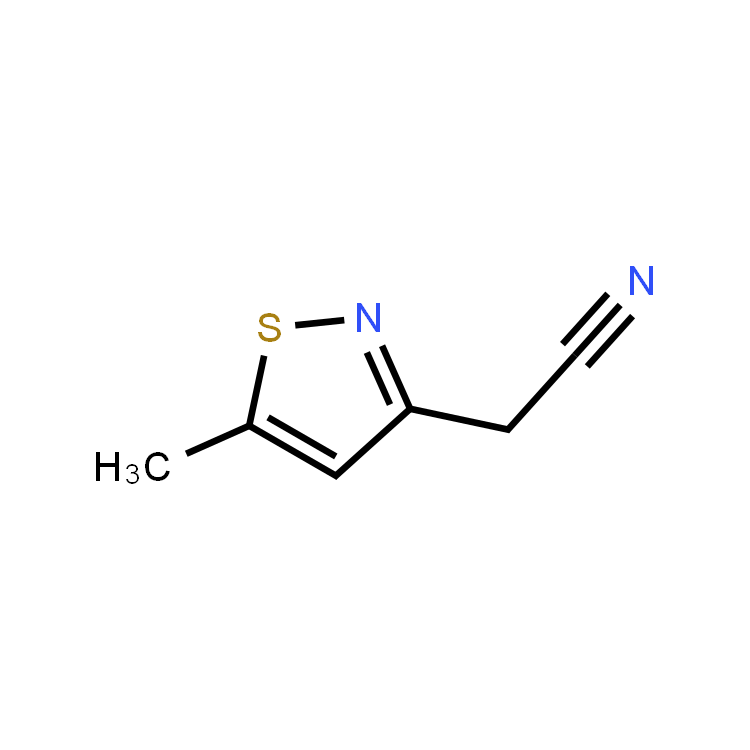
![8,16-Diazadispiro[6.1.6.2]heptadecan-17-one](https://eimg.pharmasources.com/image/product/20250403/ca91cba8b87e53fc879f8d8764873a40jpg)
![6,8-Dioxo-5,7-diazaspiro[3.4]octane-2-carboxylic acid](https://eimg.pharmasources.com/image/product/20250403/02effeb5a7639bc84ff1f3add3c0c64fjpg)
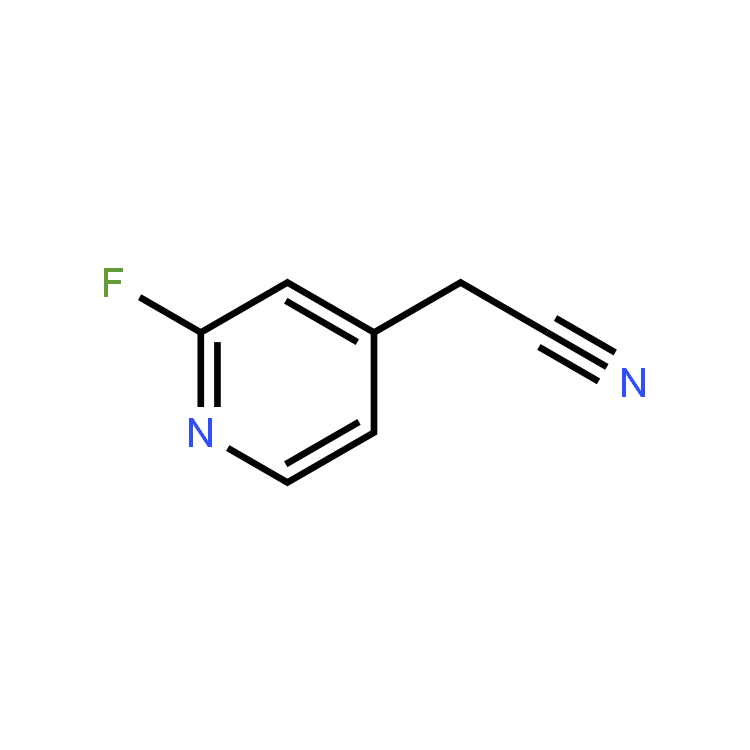
![8-Oxa-1,3-diazaspiro[4.5]decane-2,4-dione](https://eimg.pharmasources.com/image/product/20250403/60fa7223d5a34f24138486ceea0ffb15jpg)