Product Description
Pharmaceutical
Raw Materials and Intermediates
AI Product Description
*The following content is generated by AI and is for reference only.
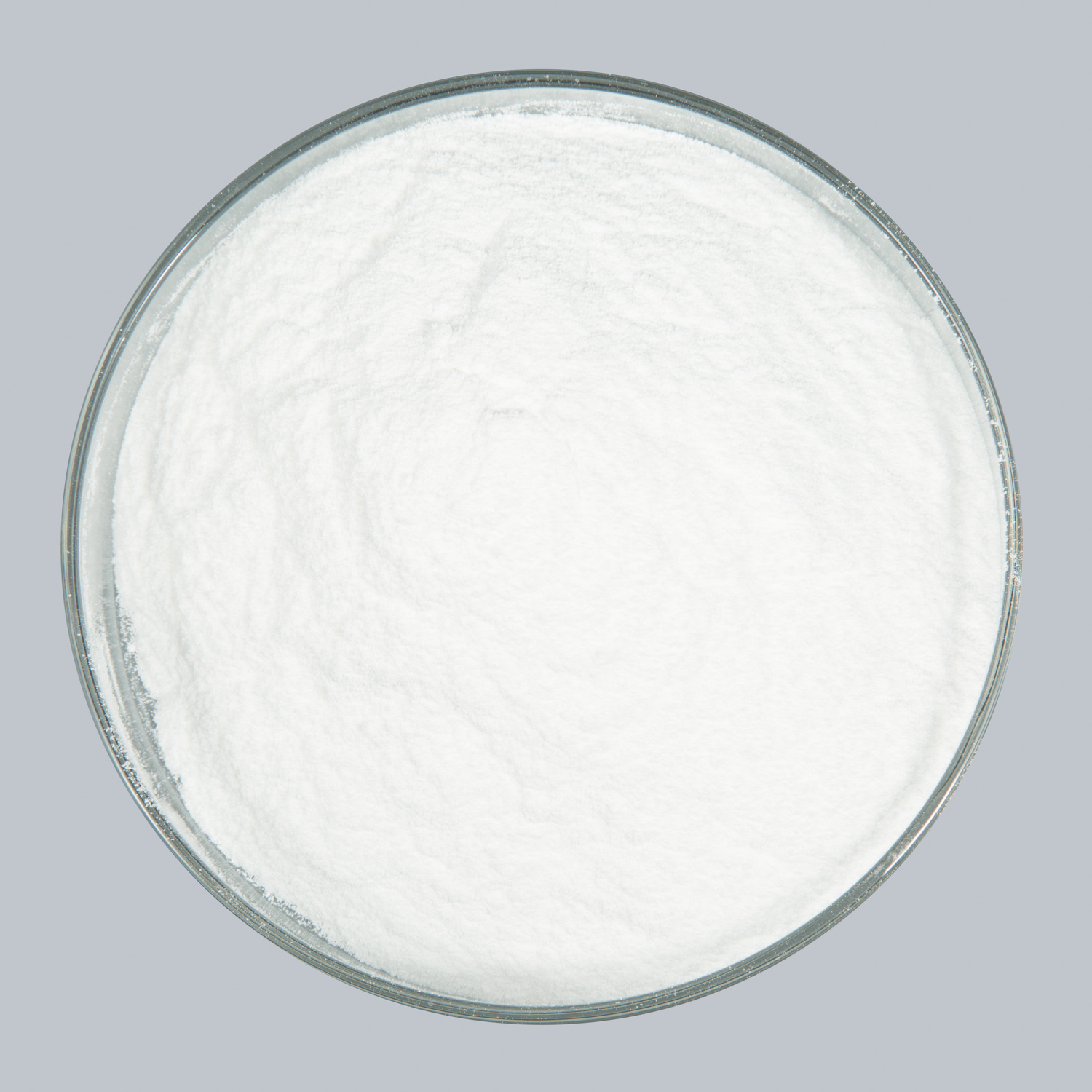
5-Aminolevulinic Acid Hydrochloride (ALA-HCl) is a water-soluble hydrochloride salt of 5-aminolevulinic acid, a naturally occurring precursor in the heme biosynthesis pathway. Widely utilized in both medical and cosmetic industries, this compound serves as a critical substrate for the production of protoporphyrin IX, a potent photosensitizer used in photodynamic therapy (PDT). Its primary CAS number is 32761-90-3, and its molecular formula is C5H10ClNO2. The substance typically appears as a white to off-white crystalline powder or solid, characterized by high solubility in water and stability under standard storage conditions when kept dry and protected from light.
In clinical applications, ALA-HCl is predominantly employed as a diagnostic and therapeutic agent for various skin conditions, including actinic keratosis, superficial basal cell carcinoma, and acne vulgaris. Upon topical application, it penetrates the epidermis and is converted into protoporphyrin IX within target cells. When exposed to specific wavelengths of light, usually red or blue light, this accumulated porphyrin generates reactive oxygen species that selectively destroy abnormal or cancerous cells while sparing surrounding healthy tissue. This mechanism offers a non-invasive alternative to traditional surgery with minimal scarring and reduced recovery time.
Beyond oncology, the pharmaceutical industry leverages ALA-HCl in dermatological formulations for cosmetic purposes. It aids in improving skin texture, reducing pore size, and treating inflammatory skin disorders by regulating cellular metabolism and promoting collagen synthesis. Furthermore, research continues to explore its potential in neuroprotection and liver disease management due to its role in modulating mitochondrial function. As a versatile chemical intermediate, it also finds use in laboratory settings for studying heme metabolism pathways. Safety protocols emphasize avoiding direct sunlight exposure after application to prevent unintended phototoxic reactions. Overall, 5-Aminolevulinic Acid Hydrochloride represents a significant advancement in targeted therapies, bridging the gap between biochemical science and practical medical intervention with a strong safety profile and broad applicability across diverse treatment modalities.




 (All Rights Reserved)
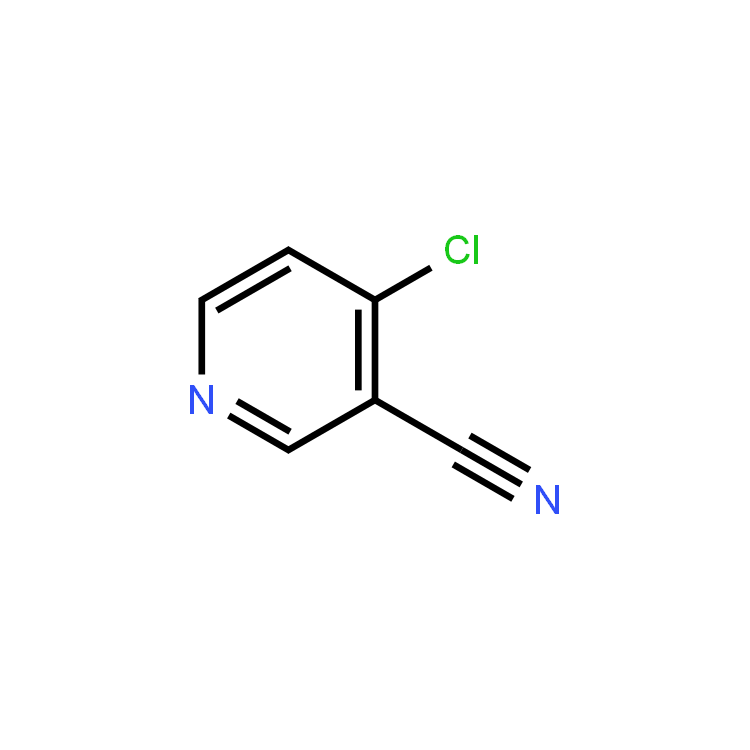
![6,8-Dioxo-5,7-diazaspiro[3.4]octane-2-carboxylic acid](https://eimg.pharmasources.com/image/product/20250403/02effeb5a7639bc84ff1f3add3c0c64fjpg)
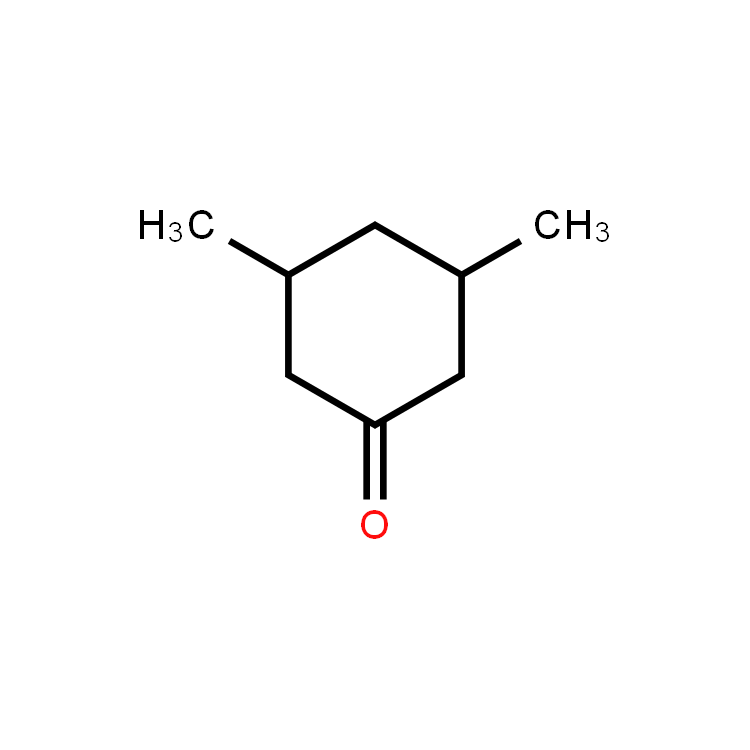
![8,16-Diazadispiro[6.1.6.2]heptadecan-17-one](https://eimg.pharmasources.com/image/product/20250403/ca91cba8b87e53fc879f8d8764873a40jpg)
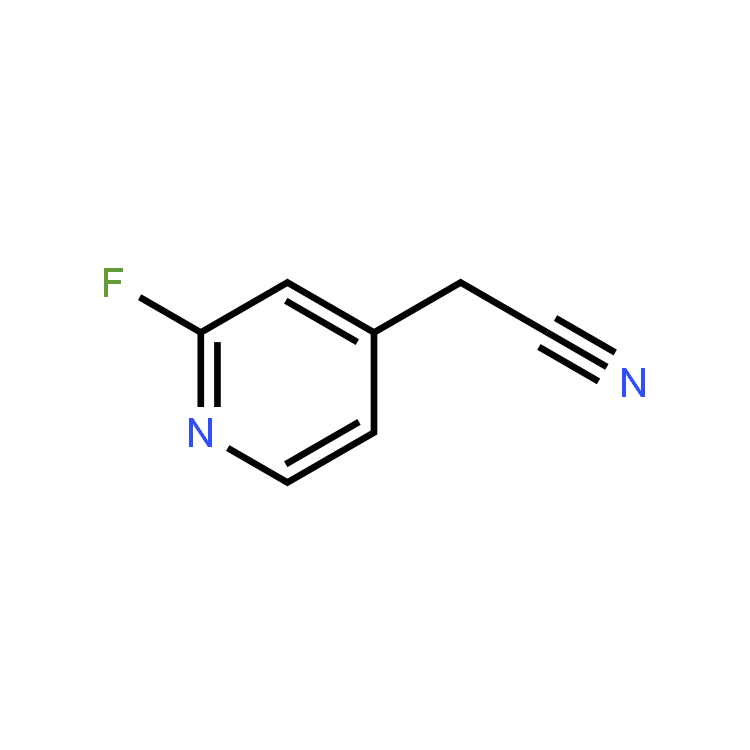
![8-Oxa-1,3-diazaspiro[4.5]decane-2,4-dione](https://eimg.pharmasources.com/image/product/20250403/60fa7223d5a34f24138486ceea0ffb15jpg)