Product Description
Pharmaceutical
Raw Materials and Intermediates
AI Product Description
*The following content is generated by AI and is for reference only.
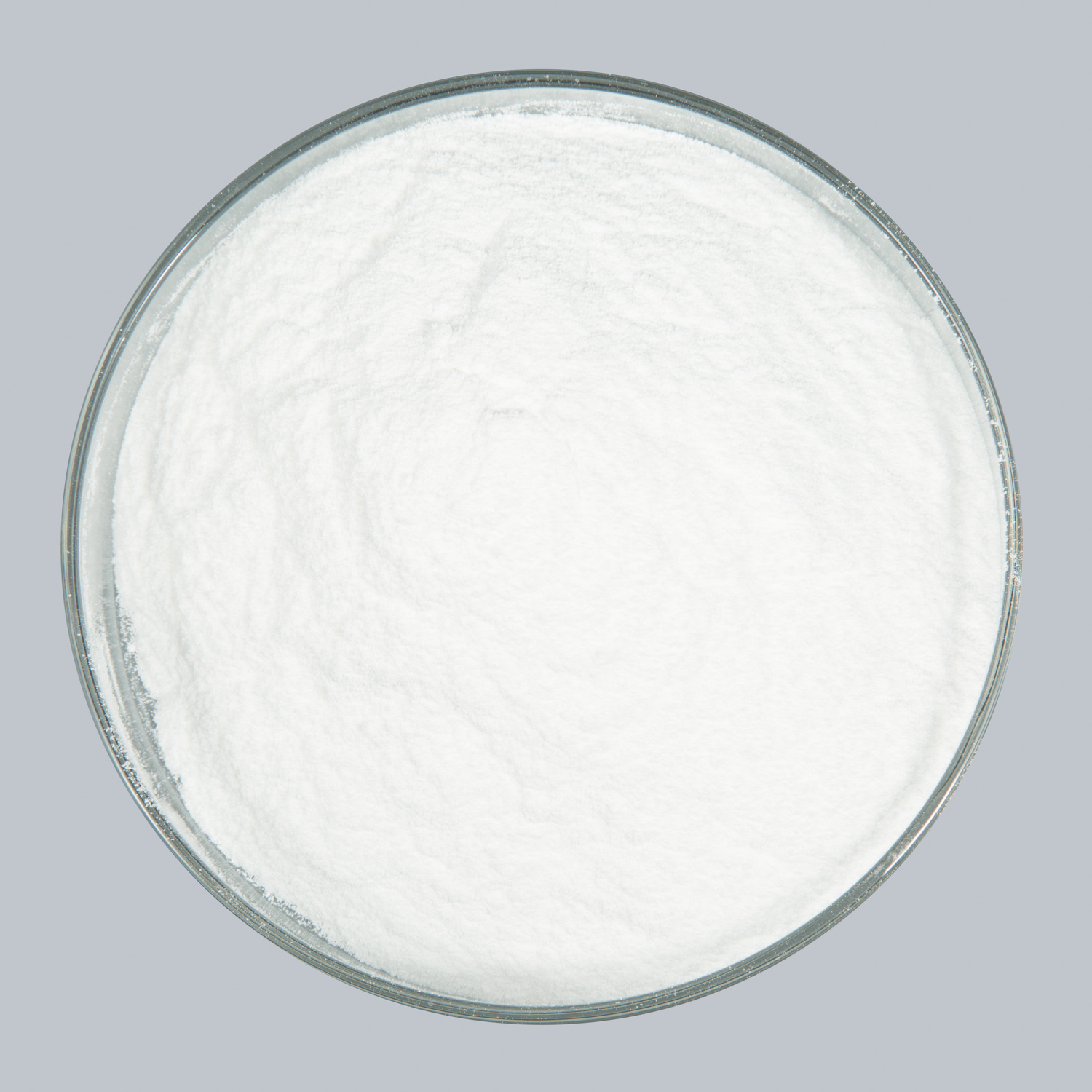
5-Amino-o-cresol, chemically known as 2-methyl-4-aminophenol or 4-amino-3-methylphenol, is a specialized organic compound widely utilized in industrial synthesis and analytical chemistry. Its molecular formula is C7H9NO, corresponding to a molar mass of approximately 123.15 g/mol. The substance is characterized by its CAS Registry Number, 88-06-8, which serves as its unique identifier in global chemical databases. Structurally, it features a phenol ring substituted with an amino group at the para position relative to the hydroxyl group and a methyl group at the ortho position, creating a versatile scaffold for further chemical modification.
This compound plays a pivotal role in the manufacturing of dyes, particularly azo dyes used in textile coloring, where its reactivity allows for the formation of vibrant and stable colorants. Beyond the textile industry, 5-Amino-o-cresol is a critical intermediate in the production of pharmaceuticals, including various analgesics and antipyretic agents. Its ability to undergo diazotization makes it indispensable for synthesizing complex heterocyclic compounds found in agrochemicals and specialty polymers. Furthermore, it serves as a key reagent in the development of photographic developers and corrosion inhibitors, highlighting its broad applicability across diverse sectors.
From a safety perspective, handling this chemical requires strict adherence to protocols due to its potential toxicity and skin irritation properties. It should be stored in a cool, dry place away from oxidizing agents to prevent hazardous reactions. In laboratory settings, it is often employed as a standard reference material for spectroscopic analysis and kinetic studies. The versatility of 5-Amino-o-cresol stems from its dual functional groups, which facilitate nucleophilic attacks and electrophilic substitutions, enabling the creation of a wide array of derivatives. As industries continue to demand high-performance materials, the importance of this aromatic amine remains significant, driving ongoing research into more efficient synthesis routes and safer application methods. Its continued presence in the global chemical supply chain underscores its value as a fundamental building block for modern chemical engineering and material science innovations.





 (All Rights Reserved)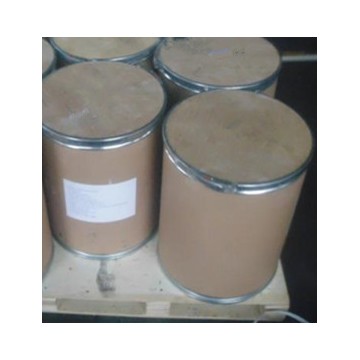
![8,16-Diazadispiro[6.1.6.2]heptadecan-17-one](https://eimg.pharmasources.com/image/product/20250403/ca91cba8b87e53fc879f8d8764873a40jpg)
![6,8-Dioxo-5,7-diazaspiro[3.4]octane-2-carboxylic acid](https://eimg.pharmasources.com/image/product/20250403/02effeb5a7639bc84ff1f3add3c0c64fjpg)
![8-Oxa-1,3-diazaspiro[4.5]decane-2,4-dione](https://eimg.pharmasources.com/image/product/20250403/60fa7223d5a34f24138486ceea0ffb15jpg)