Product Description
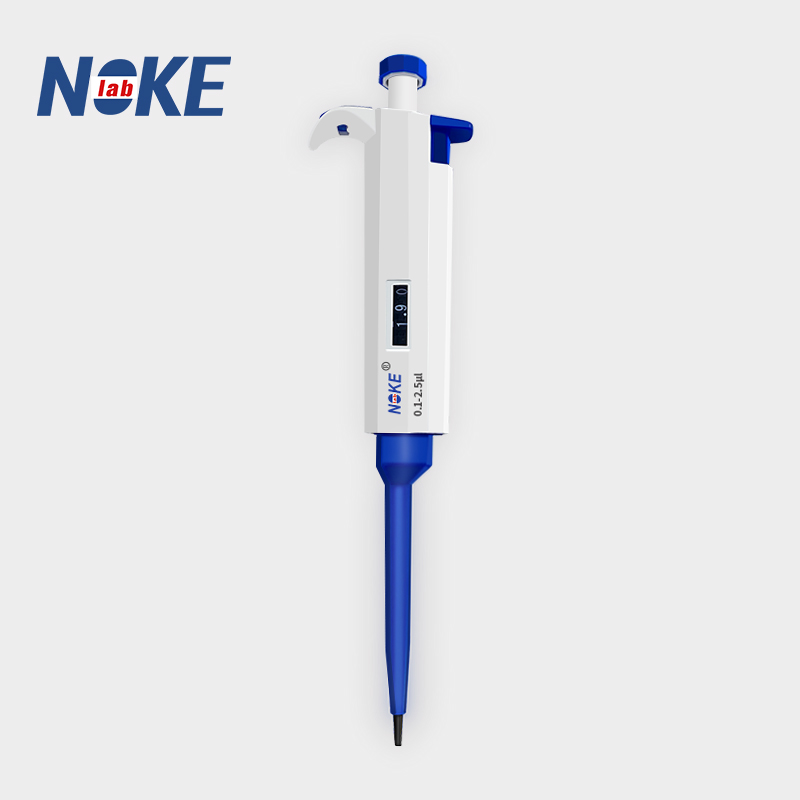
1. Lightweight, ergonomic, low force design
2. Digital display clearly reads volume setting
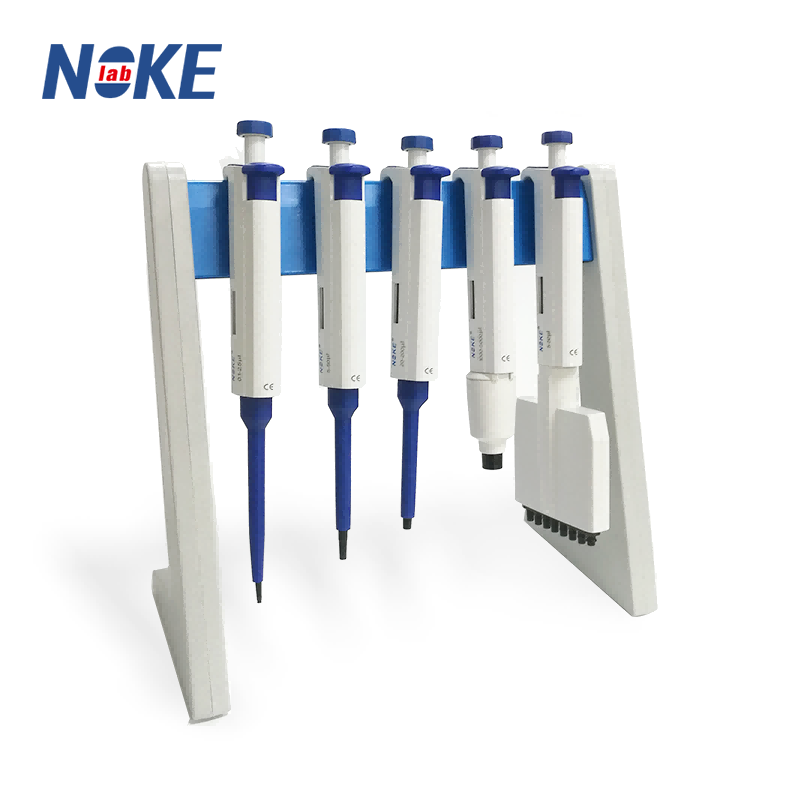
3. The pipettes cover volume range of 0.1μl to 10ml
4. Easy to calibrate and maintain with tool supplied
5. Design helps avoid repetitive strain injuries
6. Calibrated in accordance with ISO8655. Each pipette supplied with individual test certificate
7. The low part is available for autoclaving
AI Product Description
*The following content is generated by AI and is for reference only.
The product in question is a specialized laboratory instrument designed for the precise transfer and measurement of liquid volumes, typically ranging from 5 to 50 microliters. These devices are essential tools in molecular biology, clinical diagnostics, biochemistry, and pharmaceutical research where accuracy at the microliter scale is critical. They generally come in two primary forms: volumetric pipettes, which deliver a single fixed volume with high precision, and graduated pipettes, which allow for the measurement of variable volumes across a specified range.
Volumetric pipettes feature a single calibration mark and are engineered to deliver a specific volume with minimal error, making them ideal for preparing standard solutions or conducting titrations where exact concentration is paramount. Graduated pipettes, conversely, possess multiple markings along the stem, offering versatility for measuring different aliquots without changing equipment. Both types rely on gravity flow and are often used in conjunction with bulb pumps or electronic pipetting aids to ensure safety and consistency.
When operating these instruments, several precautions must be observed to maintain data integrity and user safety. First, always ensure the glassware is clean and dry before use to prevent contamination or dilution errors. Second, never mouth-pipette; always utilize mechanical filling devices to avoid accidental ingestion of hazardous chemicals or biological agents. Third, handle the glass with care to prevent breakage, as shattered glass can cause injury and compromise experimental results. For plastic variants, check for compatibility with specific solvents to avoid chemical degradation. Additionally, users should verify that the pipette is calibrated correctly for their specific application, as temperature fluctuations can affect liquid density and volume delivery. Proper storage in protective racks prevents physical damage and maintains the integrity of the graduation marks. Regular maintenance and periodic recalibration are recommended to ensure long-term reliability. By adhering to these guidelines, researchers can achieve reproducible results and uphold the highest standards of laboratory practice.

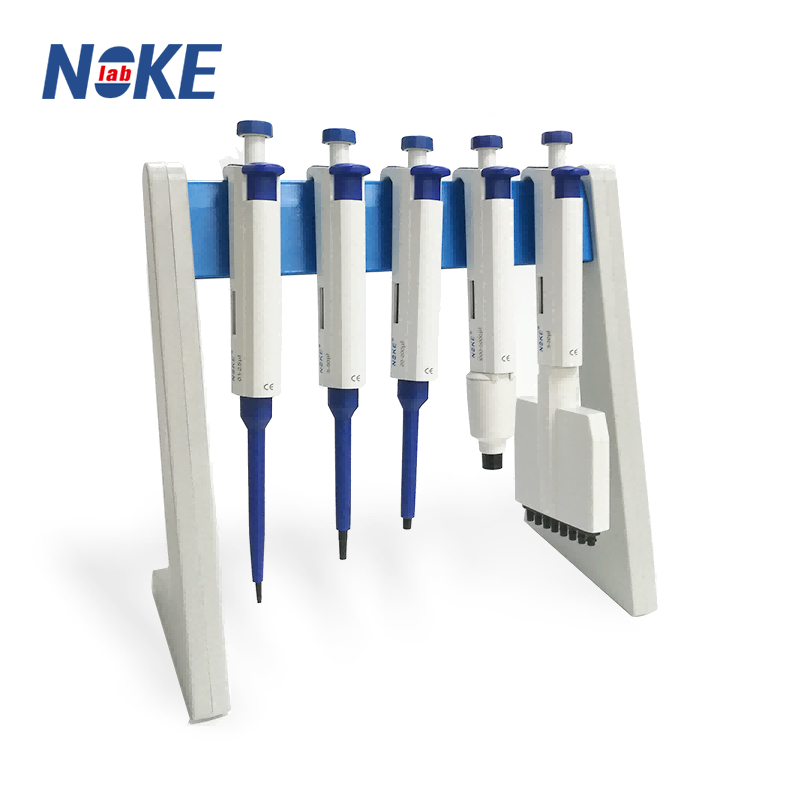




 (All Rights Reserved)