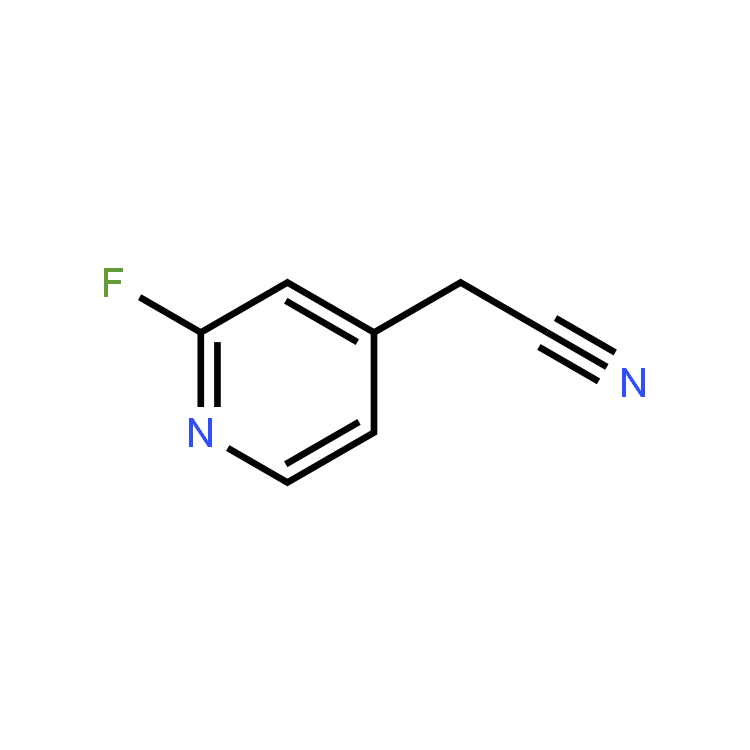
Product Description
Pharmaceutical
Raw Materials and Intermediates
AI Product Description
*The following content is generated by AI and is for reference only.
4-Methylpyrimidine, chemically known as 4-methyl-1H-pyrimidine, is a heterocyclic organic compound featuring a six-membered ring containing two nitrogen atoms at positions 1 and 3, with a methyl group attached to the fourth carbon. Its molecular formula is C5H6N2, and it is uniquely identified by the CAS number 109-87-5. This colorless to pale yellow liquid possesses a characteristic amine-like odor and exhibits moderate solubility in water while being highly soluble in common organic solvents such as ethanol, ether, and chloroform. Structurally, it serves as a fundamental building block in organic synthesis, closely related to vitamin B1 (thiamine) precursors, making it significant in pharmaceutical research and agrochemical development.
The primary applications of 4-methylpyrimidine revolve around its role as an intermediate in the production of various bioactive compounds. It is extensively utilized in the synthesis of thiamine derivatives, which are essential vitamins for metabolic processes in humans and animals. Beyond nutrition, this compound finds critical use in the manufacturing of dyes, pigments, and corrosion inhibitors due to its reactive nitrogen sites. In the field of medicinal chemistry, researchers employ 4-methylpyrimidine as a scaffold for designing novel antimicrobial agents, antifungal drugs, and potential anticancer therapeutics. Its ability to undergo electrophilic substitution and nucleophilic addition reactions allows chemists to modify its structure easily, creating diverse functional molecules with tailored properties. Furthermore, it acts as a ligand in coordination chemistry, facilitating the formation of metal complexes used in catalysis. Despite its versatility, handling requires standard safety precautions as it may be irritating to skin and eyes. Overall, 4-methylpyrimidine remains a vital reagent in industrial laboratories, bridging the gap between basic chemical research and commercial product development across multiple high-tech sectors including agriculture, medicine, and materials science.





 (All Rights Reserved)
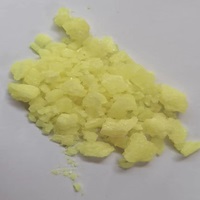
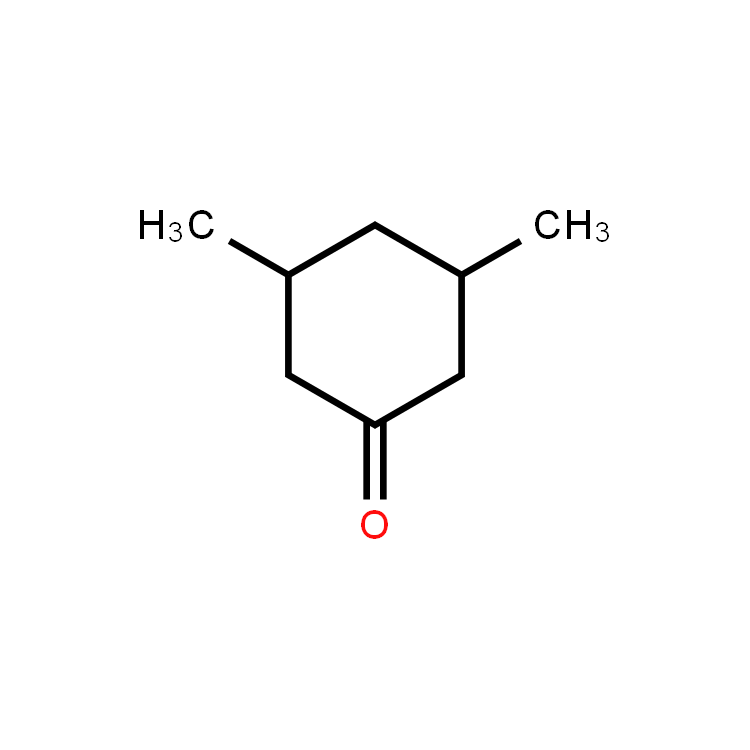
![8,16-Diazadispiro[6.1.6.2]heptadecan-17-one](https://eimg.pharmasources.com/image/product/20250403/ca91cba8b87e53fc879f8d8764873a40jpg)
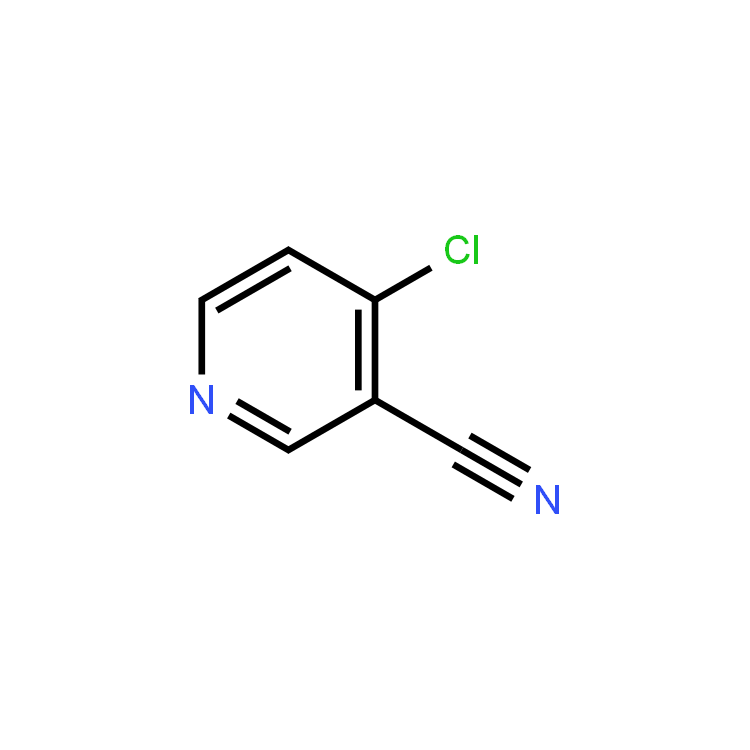
![8-Oxa-1,3-diazaspiro[4.5]decane-2,4-dione](https://eimg.pharmasources.com/image/product/20250403/60fa7223d5a34f24138486ceea0ffb15jpg)
![6,8-Dioxo-5,7-diazaspiro[3.4]octane-2-carboxylic acid](https://eimg.pharmasources.com/image/product/20250403/02effeb5a7639bc84ff1f3add3c0c64fjpg)